
Strategic Mastery: Elevating D&D 5e Combat Fundamentals
Wargamer's recent piece on D&D 5th Edition combat fundamentals sparked a deeper dive into action economy, area control, and positioning. We dissect how these pillars elevate tactical play and enrich the Dungeons & Dragons experience for every table.
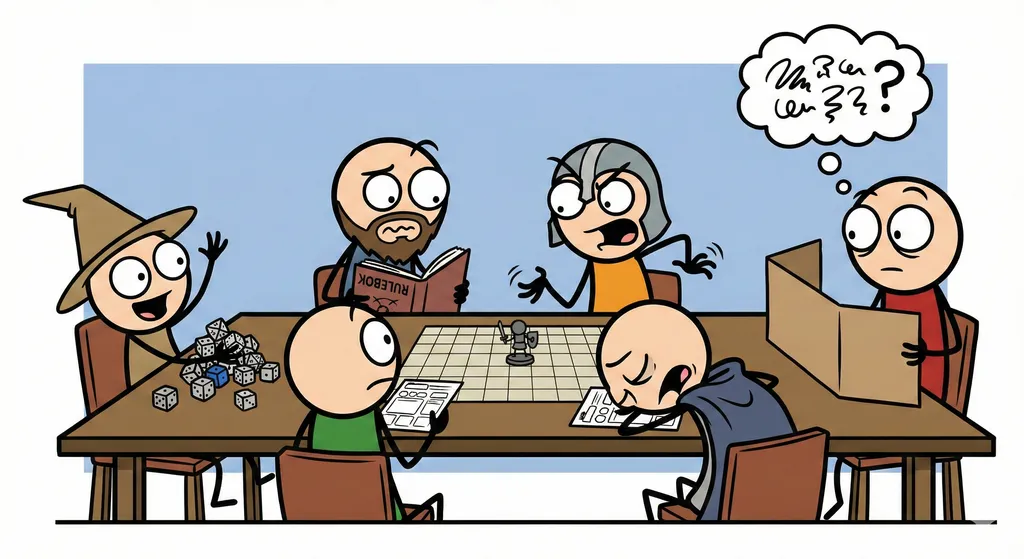
The recent Wargamer piece, "Five deadly D&D combat tips to dazzle your DM," rightly highlighted that mastering concepts like action economy, area control, and positioning are paramount for elevating one's play in Dungeons & Dragons 5th Edition. While the initial text offered a helpful primer, it barely scratched the surface of how these fundamental pillars, when truly understood, transform combat from a series of individual attacks into a dynamic, cooperative tactical dance for any table running a Wizards of the Coast adventure. As veteran Game Masters, we've seen countless encounters devolve into a predictable slugfest. The true artistry of D&D combat, however, lies in the intelligent application of these principles, turning every round into a meaningful strategic decision rather than a mere dice roll.
Let's first dissect the unyielding crunch of these elements, starting with the omnipresent action economy. In Dungeons & Dragons 5th Edition, every creature operates within a fixed framework: an Action, a Bonus Action, Movement, and a Reaction. The most effective players and DMs don't just spend these; they leverage them. A fighter using their Action to Attack, their Bonus Action for a Goading Attack from Battle Master maneuvers, and their Movement to interpose between a vulnerable caster and an advancing foe isn't just taking a turn; they're orchestrating a symphony of tactical advantage. Reactions, often overlooked, are critical. An opportunity attack, a Shield Master's shove, or a Wizard's Shield spell can entirely shift the momentum. Understanding how to maximize your party's collective actions and minimize the enemy's is the bedrock of advanced D&D play. For a comprehensive breakdown of these core rules, consult the Player's Handbook.
Next, consider area control. This isn't just about dropping a Fireball. It's about manipulating the battlefield itself. Spells like Web, Grease, or Spike Growth don't just deal damage; they create zones of denial, forcing enemies to spend precious movement, suffer conditions, or waste actions. A well-placed Wall of Stone can bifurcate an encounter, isolating threats or creating chokepoints. Even mundane tactics, like using difficult terrain or environmental hazards, fall under this umbrella. Feats like Sentinel or Polearm Master, often dismissed as mere damage buffs, are potent area denial tools, allowing a front-liner to lock down a significant portion of the battlefield, protecting their squishier allies.
Finally, positioning. This is the spatial chess match of Dungeons & Dragons. Where you stand, where your allies stand, and where your enemies stand dictates line of sight, cover, and the efficacy of both melee and ranged attacks. A rogue expertly flanking (if your table uses the variant rule) or gaining advantage from unseen movement, an archer finding high ground to negate cover, or a paladin standing shoulder-to-shoulder with a cleric to provide aura benefits—these are not accidental occurrences. They are deliberate choices that amplify effectiveness. Good positioning ensures your squishy wizard isn't exposed, your barbarian can reach the most dangerous threat, and your area-of-effect spells catch the maximum number of targets without friendly fire.
But these aren't just sterile mechanics; they are the very language of heroic action and villainous cunning within the D&D universe. Imagine the narrative: a veteran rogue, swift as shadow, using their Bonus Action to Disengage, not merely to escape, but to reposition for a crucial backstab—this isn't just a mechanic, it's the visceral depiction of their agility and tactical acumen. A wizard doesn't just cast Web; they weave arcane patterns of sticky, phosphorescent strands that ensnare and frustrate the charging horde, turning a simple corridor into a deadly labyrinth. The fighter who uses their Reaction to block a strike meant for their companion isn't just preventing damage; they are a bulwark of courage, a narrative beat of sacrifice and protection. These mechanical choices directly translate into the "feel" of the fantasy, grounding the epic struggles in believable, tactical decisions that resonate with the lore of skilled adventurers and monstrous threats.
So, what does this deep dive mean for your Dungeons & Dragons table? It means more engaging, less predictable combat. When players understand and actively utilize action economy, area control, and positioning, combat ceases to be a monotonous exchange of HP. It becomes a puzzle, a dance, a desperate struggle where every choice matters. For DMs, this understanding frees you from simply throwing bigger numbers at your party. You can design encounters that reward clever play, tactical cooperation, and environmental interaction. Imagine a fight where the objective isn't just to reduce the enemy to zero HP, but to control a ritual circle, defend a fragile artifact, or prevent enemies from reaching a specific point—all scenarios where these three pillars become paramount. This elevates the game from a simple hack-and-slash to a rich, strategic narrative, fostering true teamwork and a palpable sense of accomplishment when a complex tactical plan comes together. It transforms players from passive dice-rollers into active strategists, making every victory feel earned and every defeat a lesson learned. This is D&D at its most potent, its most engaging, and its most rewarding.
Top Pick: Xanathar's Guide to Everything
Expands combat options with new spells, subclasses, and DM tools for more dynamic encounters.
Check Price on Amazon →Related Stories
Abyssal Echoes: D&D 5e's Deep Dive Into Submerged Mechanics
Mythic Forge Games' Abyssal Echoes promises to transform aquatic D&D 5e encounters. We dissect its innovative rules for pressure, breath, and movement, and how
Aethelgard Reforged: The Tactical Nuance of Momentum Push
Mythos Forge Games' Aethelgard Chronicles: Reforged Edition introduces the Momentum Push, a dynamic new combat mechanic. We dissect its crunch, lore, and impact
Gen Con Whispers & Golarion's Doom: A Dual TTRPG Forecast
Gen Con 2024 is abuzz with D&D speculation, while leaked Pathfinder details hint at a cataclysmic '13 Omens' campaign. We dissect how these developments could r