
Beyond the Box: The Unseen Mechanics of Respecting Our Games
Tabletop Bellhop's latest episode sparked a crucial discussion: what does it truly mean to 'treat games properly'? This isn't just about card sleeves; it's a deep dive into respecting design intent, emergent narrative, and the very soul of our shared hobby.
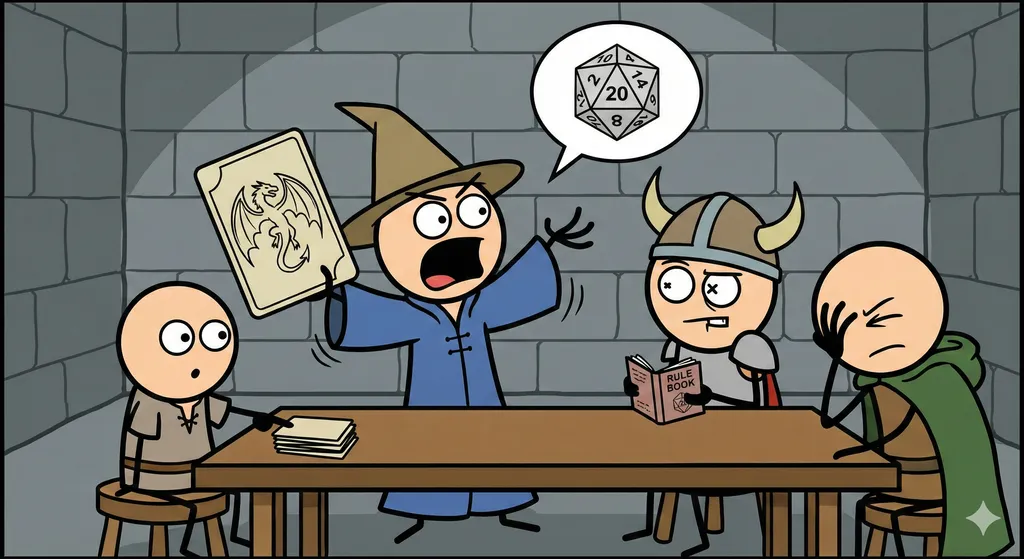
The recent Tabletop Bellhop Gaming Podcast Episode 298, titled 'Show Some Respect: Treating games properly,' sparked a conversation that cuts far deeper than mere physical preservation. As veterans of the dice-rolling trenches and card-flipping circuits, we often discuss mechanics, lore, and meta-shifts. But the underlying ethos – the respect we afford our games, their designers, and our fellow players – is the invisible glue holding our entire hobby together.
When we talk about 'treating games properly,' the first thought might be protecting components. But for us at The Crit Sheet, it's about respecting the design contract. Every game, from the most intricate Eurogame to the loosest narrative TTRPG, is a meticulously crafted system. Take, for instance, the elegant simplicity of Advantage/Disadvantage in Dungeons & Dragons 5th Edition. It’s not just a +/- modifier; it’s a probabilistic mechanism designed to smooth out the extremes of dice rolls, encouraging player agency without bogging down play with arithmetic. To 'treat' this properly means to understand its intent: to provide a narrative push or pull, not to be constantly circumvented or argued against without genuine cause. Consider the resource management loops in a game like Root or the faction asymmetry in Warhammer 40,000. Each rule, each unit profile, each special ability is a gear in a larger clockwork. Disregarding these core principles – be it through persistent rule-bending, egregious metagaming that strips away narrative surprise, or simply refusing to engage with a system’s unique challenges – isn't just 'playing wrong.' It's undermining the very mechanical integrity the designers poured their passion into. It's like trying to force a square peg into a round hole, then blaming the peg for not fitting. A true appreciation comes from engaging with the system as intended, exploring its nuances, and then, if desired, homebrewing with an informed hand, rather than a dismissive one.
Beyond the crunch, there's the rich tapestry of lore – the fluff that gives our numbers and dice rolls meaning. Whether it’s the grim darkness of the far future or the intricate political landscape of a high-fantasy realm, lore isn't merely flavor text; it's the soul of the setting. Respecting this means more than just memorizing names and dates. It means understanding the motivations of NPCs, the historical weight of ancient ruins, the cultural nuances of different factions. As Game Masters, our commitment to worldbuilding is often measured by how deeply we respect the established lore, allowing it to inform our narratives rather than treating it as a disposable backdrop. When players engage with the lore, they aren't just consuming information; they're contributing to a shared reality. A player who understands why their Paladin abhors necromancy, not just because the rules say so, but because of their deity's tenets and their order's history, creates a more compelling character. Conversely, a casual dismissal of a setting's foundational myths or character backstories can flatten the entire experience, reducing a vibrant world to a generic dungeon crawl. The lore is the context that elevates a combat encounter into a desperate struggle for survival against a hated foe, or a diplomatic mission into a delicate dance of power and politics. It’s the story we all agree to tell together.
So, is this philosophy of respectful engagement 'good for the game'? Unquestionably. It fosters a healthier, more enriching tabletop experience for everyone involved. When designers feel their work is understood and appreciated, it encourages innovation. When players engage thoughtfully with mechanics and lore, it deepens their immersion and investment. And when GMs and players alike approach the table with a shared understanding and respect for the chosen system and setting, it cultivates a collaborative environment where truly emergent stories can flourish. This isn't about rigid adherence to every single word, but about understanding the spirit of the game. It’s about building a community that values the craft, the creativity, and the shared journey. This level of respect is particularly vital in the burgeoning indie TTRPG scene, where unique mechanics and deeply personal lore are often the very heart of the game. These aren't always polished, mass-market products, but passionate creations that thrive on thoughtful engagement rather than superficial consumption. Ultimately, treating our games properly means treating our hobby, and each other, with the dignity and appreciation they deserve. It elevates our play from mere pastime to a meaningful, shared endeavor.
Top Pick: Old School Essentials Classic Fantasy
A brilliantly organized and faithful recreation of classic fantasy RPGs, perfect for appreciating foundational mechanics and fostering emergent play within clear boundaries.
Check Price on Amazon →Related Stories
Beyond Tropes: Aetherial Bonds Brings Omegaverse to D&D 5e
Mythos Forge Publishing's 'Aetherial Bonds' introduces Omegaverse mechanics to D&D 5th Edition. We examine how pheromones, pair bonding, and secondary genders c
Dungeon Crawler Carl RPG: System Apocalypse Meets Tabletop
The highly anticipated Dungeon Crawler Carl RPG is hitting crowdfunding, promising to translate the brutal, hilarious System Apocalypse series to the tabletop.
The Lean, Mean Narrative Machine: Why Short Campaigns Win
Gnome Stew's Gnomecast 235 dissects the strategic brilliance of short TTRPG campaigns. We analyze how these focused narratives offer unparalleled flexibility an