
Black Library's 2005 Hall of Fame: Pillars of Play
The Crit Sheet delves into the Black Library Readers’ Hall of Fame from 2005, examining how these foundational texts continue to sculpt the Warhammer universe and influence tabletop mechanics. We dissect the lasting impact of these literary titans on narrative play and competitive strategy.
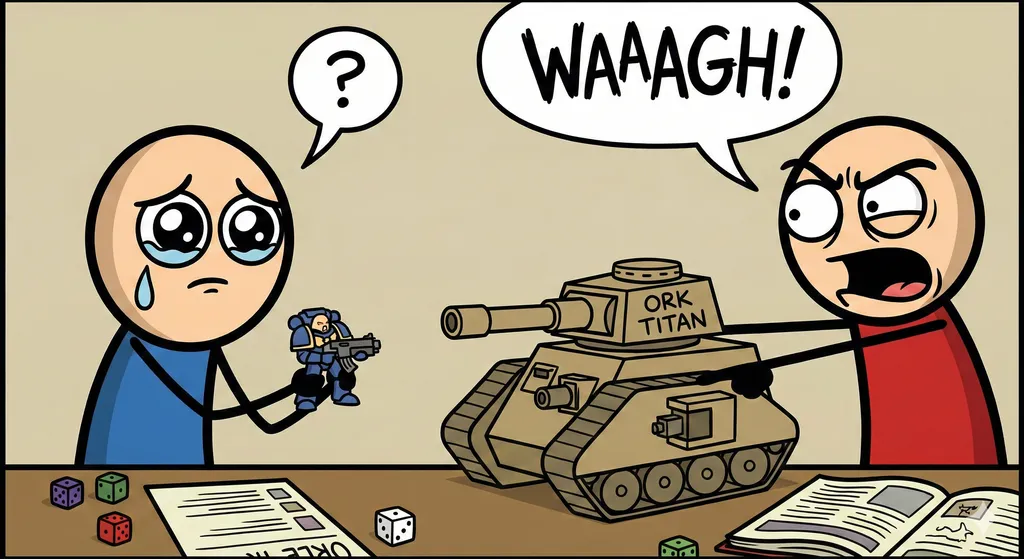
The Crit Sheet has always celebrated the foundational pillars of our hobby, and few are as robust as Games Workshop's Black Library. This week's unveiling of the 2005 Black Library Readers’ Hall of Fame winners isn't just a nostalgic glance backward; it's an essential excavation into the very bedrock of Warhammer lore that continues to inform our campaigns and rulebooks today. To understand where our games are going, we must first appreciate the literary giants upon whose shoulders they stand.
At first glance, celebrating a literary 'Hall of Fame' from nearly two decades ago might seem like a purely historical exercise, far removed from the cold calculus of dice rolls and stratagem efficiency. Yet, the 'mechanics' of Black Library's influence are subtle, pervasive, and deeply impactful. Consider the indelible mark left by Dan Abnett’s *Gaunt’s Ghosts* series, almost certainly a strong contender in any 2005 popularity poll. While not a rulebook, the narrative grit and tactical ingenuity displayed by the Tanith First-and-Only didn't just flesh out the Imperial Guard; it *mechanically* informed how future Astra Militarum codices would approach infantry units. The emphasis on combined arms, the value of veteran leadership, and the sheer tenacity against impossible odds—these aren't just story beats; they manifest as Stratagems like 'Take Cover!' or 'Overlapping Fields of Fire,' or the very design of character models like Company Commanders and Platoon Commanders, whose abilities are direct reflections of the narrative leadership found in those pages. It’s the translation of narrative excellence into a tangible tabletop advantage or tactical consideration. Similarly, the early Eisenhorn or Ravenor novels, also likely candidates for enduring popularity, didn't just create iconic characters; they established the very *mood* and *stakes* of Inquisition operations, which then permeated how players might interpret their Inquisitor agents in Warhammer 40,000 Core Rulebook games, or even design their own narrative missions around clandestine ops and psychic investigations.
From a lore perspective, 2005 was a pivotal year, bridging the gap between established Warhammer 40,000 narratives and the burgeoning expansion that would define the next two decades. The books celebrated then were the ones solidifying character archetypes and faction identities that persist to this day. We’re talking about the tales that gave the Imperium its grim, desperate heroism, the Chaos Space Marines their tragic villainy, and the Xenos their enigmatic threat. These weren't merely episodic adventures; they were world-builders. They gave names and faces to the faceless masses of the Imperial Guard, delved into the complex morality of the Inquisition, and offered glimpses into the inner workings of Space Marine Chapters beyond the Ultramarines. The resonance of these stories created a shared understanding of the universe, a common wellspring from which GMs and players alike could draw inspiration for their own campaigns, character backstories, and army compositions. This rich tapestry of lore is precisely what elevates Warhammer beyond a mere skirmish game to a profound narrative experience.
The verdict for the table feel is unequivocally positive. The enduring popularity of these 2005 Black Library entries underscores a crucial truth about our hobby: a strong narrative backbone makes for a stronger game. When players feel a deep connection to the lore, when their units are more than just stat blocks but embody the heroism or villainy of characters they've read about, the engagement skyrockets. Narrative play flourishes, campaign games gain emotional weight, and even matched play feels more meaningful because the armies on the table carry the weight of decades of storytelling. These books provided the emotional and thematic scaffolding that allowed players to invest more deeply in their miniature armies, fostering a sense of ownership and personal narrative that no mere rulebook could ever achieve. They are, in essence, the 'source code' for the game's soul, continually enriching the experience for veterans and new recruits alike. Long may their pages turn.
Top Pick: The Eisenhorn Omnibus
Essential reading for any Warhammer 40,000 fan seeking deep lore and character-driven narrative.
Check Price on Amazon →Related Stories
Renegade's Exodus RPG: Will This Sci-Fi Journey Reshape Your Table?
Renegade Game Studios is set to publish the Exodus Roleplaying Game in 2026, promising a new sci-fi TTRPG experience. This article explores its potential mechan
Shadowrun 4E: A Deep Dive into the Sixth World's Digital Heart
The Shadowrun 4th Edition Humble Bundle offers a colossal archive for the Sixth World. We examine its mechanics, lore, and enduring appeal for GMs and players a
Conquest: First Blood – The Skirmish Challenger to Rule Them All
Para Bellum Wargames re-releases its skirmish system, First Blood, bringing tactical depth and narrative richness to the small-scale battlefield. New warbands p