
D&D 5e's Lightning Rods: Engineering Heroic Player Moments
Sly Flourish's 'Lightning Rod' concept offers GMs a potent tool for D&D 5th Edition. Discover how designing specific encounters can spotlight player abilities and elevate table feel.
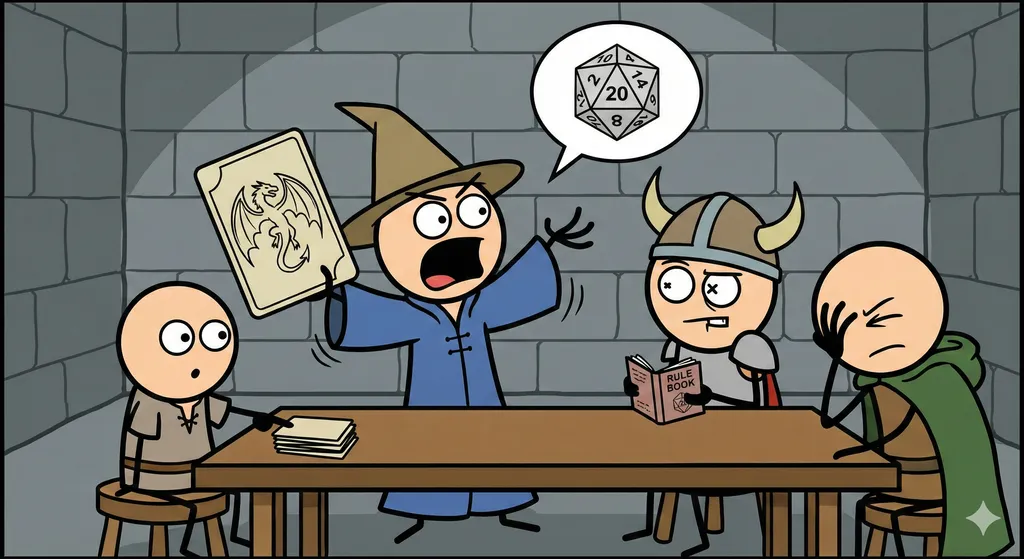
The perennial challenge for any Dungeon Master of Dungeons & Dragons 5th Edition is ensuring every player, regardless of build or luck, gets their moment in the sun. Amidst the latest splat books and adventure paths, a deceptively simple yet profoundly effective concept from veteran GM Sly Flourish, dubbed 'Lightning Rods,' presents a masterful solution. This isn't just about balancing encounters; it's about intentionally engineering heroic spotlight moments that make players feel truly powerful.
At its core, a Lightning Rod is a monster or encounter element specifically designed to showcase a particular character's unique abilities, spells, or combat style. Think of it not as a weakness to be exploited, but as a stage set for a specific performer. For instance, that Barbarian who feels overshadowed by the Wizard's area-of-effect spells might face a singular, high-HP brute with low AC, perfect for their multi-attack and brutal criticals to shine. Conversely, a clustered group of low-HP, low-save minions becomes the perfect canvas for a Wizard's Fireball or a Cleric's Spirit Guardians. Is your Paladin feeling less impactful? Introduce a fiend uniquely vulnerable to radiant damage or a powerful undead that crumbles under a well-placed Divine Smite. Perhaps a foe with a powerful, repeatable saving throw effect that your Monk, with their Evasion and Diamond Soul, can effortlessly shrug off, demonstrating their resilience to the party. The key is to identify a player's signature move—be it a rarely used spell, a potent racial ability, or a favored combat maneuver—and then craft a situation where that ability is not just *useful*, but overtly *triumphant*. This isn't about making the monster *weak*; it's about designing its stat block, resistances, and even its environment to interact gloriously with a specific player's strengths.
From a lore perspective, justifying these tailored threats is surprisingly straightforward and can enrich your worldbuilding. Not every creature in a dungeon needs to be a perfectly rounded threat. Perhaps a cult has specifically bred creatures with an inherent vulnerability to certain arcane energies, or a powerful wizard's constructs are designed with a specific flaw that only a certain type of attack can exploit. Maybe a creature’s natural biology simply happens to align perfectly with a player’s specialty—a crystalline golem that shatters under sonic attacks, or a shadowy horror that recoils from pure light. These aren't cosmic coincidences; they are narrative threads. The ancient dragon guarding its hoard might have a magical ward that can only be dispelled by a specific ritual spell, turning the party's often-overlooked Ritual Caster into the lynchpin of the entire encounter. Such thoughtful integration elevates these encounters beyond mere stat blocks, weaving them into the very fabric of your campaign's narrative and logic, making the world feel more dynamic and responsive to the heroes within it. Consider how you might adapt existing creatures from the Monster Manual to fit these narrative niches.
So, is this concept good for the game? Unquestionably. Lightning Rods are an invaluable tool for any Game Master aiming to boost player satisfaction and engagement in D&D 5th Edition. They provide intentional moments of competence and heroism, countering the frustrating feeling of having a cool ability that never quite finds its moment. This approach democratizes heroism, ensuring that every character, from the most optimized damage dealer to the most niche utility caster, gets to feel like a pivotal contributor. It encourages players to delve deeper into their character sheets, exploring the full breadth of their capabilities rather than defaulting to the same few reliable actions. For the GM, it’s a proactive way to manage table dynamics, preventing feelings of inadequacy and fostering a sense of shared accomplishment. While over-reliance can make encounters feel too telegraphed, judicious application—perhaps one or two per session—can elevate a good game to a truly memorable one. It's a masterclass in encounter design, prioritizing player experience without sacrificing mechanical integrity.
Top Pick: The Lazy Dungeon Master's Guide
For more practical, player-focused GMing strategies
Check Price on Amazon →Related Stories
Underdark Unveiled: D&D 5E's Latest UA Dives Deep
Wizards of the Coast's newest Unearthed Arcana offers a glimpse into the Forgotten Realms' darkest corners. Explore three new subclasses and a suite of transfor
Dragon Kings: A Harsh New Dawn for 5th Edition
The original architects of Dark Sun bring their brutal vision to 5th Edition with Dragon Kings. This deep dive examines how a world of psionics and scarcity res
Belladonna's Blitz: Aggro Tactics for Your TTRPG Table
The latest Magic: The Gathering reveal, Belladonna Took, highlights a potent Boros aggro strategy. We dissect how its core principles—rapid token generation and