
D&D Beyond's Drops: Sharing Woes and the Tabletop Divide
Wizards of the Coast's D&D Beyond platform faces scrutiny over its 'Drops' content, which subscribers cannot share. This policy creates friction for groups accustomed to collaborative resource management.
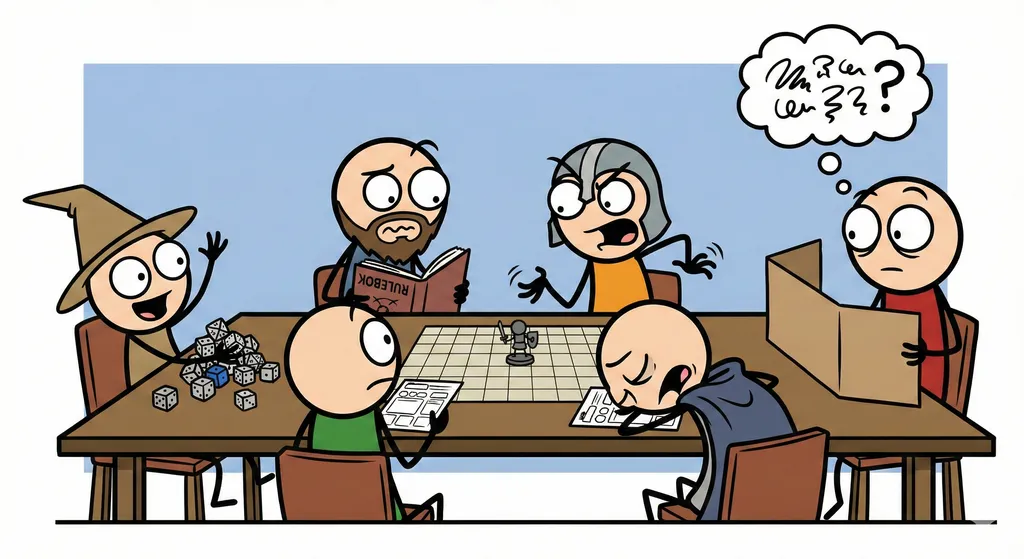
The digital landscape of Dungeons & Dragons, curated by Wizards of the Coast on D&D Beyond, has long been a subject of intense scrutiny and robust discussion among the TTRPG faithful. The latest focal point? The platform's 'Drops' content and the perplexing executive decision to keep it locked down, preventing subscribers from sharing these digital boons with their groups. This isn't merely a technical hiccup; it's a fundamental misunderstanding of how D&D is played at the table.
Let's dissect the crunch. D&D Beyond's 'Drops' are typically limited-time, subscriber-exclusive content offerings – a new magic item, a unique monster stat block, perhaps a short adventure hook. On the surface, it’s a neat perk, a digital bonus for loyal patrons. The mechanical issue, however, arises from the complete absence of sharing capabilities for these items. Unlike the core rulebooks, adventures, or even purchased individual monsters and spells, which are shareable across a campaign with a D&D Beyond Master Tier subscription, 'Drops' remain stubbornly personal. This means if a Dungeon Master unlocks a potent new artifact via a Drop, their players — even within a campaign hosted by that DM — cannot see its full stat block on their character sheets or directly reference it within the digital toolset. They must rely on the DM narrating it, or worse, manually transcribing it, undermining the very convenience D&D Beyond purports to offer. This isn't just an oversight; it's a deliberate design choice, reportedly due to licensing complexities and the unique promotional nature of the content. But for the end-user, it translates into digital content existing in a vacuum, isolated from the very group intended to experience it.
From a lore — or rather, meta-lore — perspective, Dungeons & Dragons has always been a communal experience. Its essence is shared storytelling, shared discovery, and yes, shared resources. Generations of players have passed around physical rulebooks, photocopied character sheets, and scrawled notes. The 'lore' of any given campaign isn't just the written word; it's the collective understanding and interpretation of that world by the entire table. When a DM introduces a unique monster or an arcane relic from a 'Drop,' it becomes part of the shared narrative. To then erect a digital barrier around that piece of content, preventing players from engaging with it directly through the platform, fragments that shared reality. It creates a digital 'fog of war' not over the dungeon, but over the very tools meant to illuminate it. This policy implicitly tells us that these 'Drops' are not truly intended for the collective story, but rather as individual, ephemeral rewards, disconnected from the collaborative spirit that defines our hobby.
The verdict on table feel is unequivocally negative. For DMs, it's an unnecessary headache. Imagine running a session where a player wants to check the specific properties of the 'Drop' magic sword they just found, and you have to read it out every time, or tell them to trust your word, or ask them to open your laptop. This isn't enhancing immersion; it's breaking it. For players, it fosters a sense of being excluded from content that is ostensibly part of their adventure. It erodes the seamless integration that D&D Beyond otherwise strives for. In a world where groups often pool resources for digital assets to enhance their shared campaigns, this 'no sharing' policy feels like a step backward, introducing friction where fluidity is paramount. It risks pushing users towards less official, but more functionally integrated, solutions, or simply devaluing the 'Drops' content entirely. The strength of D&D lies in its community, and policies that undermine the shared experience ultimately weaken the game itself.
Top Pick: Foundry VTT
Robust content sharing and customization for collaborative play
Check Price on Amazon →Related Stories
Digital Tabletops VTT: Elevating In-Person D&D Play
Digital Tabletops VTT introduces a compelling update, promising to streamline D&D sessions with mobile-first features. We dissect how this app enhances face-to-
Dragon Reflections Unleashes Potent Draconic Resonance
EN World's Dragon Reflections #104 introduces a compelling new system, 'The Draconic Resonance Protocol.' It weaves ancient draconic power directly into campaig
Tactical Realms: D&D Terrain's Impact on the Tabletop
Wizards of the Coast's new 'Tactical Realms' terrain line promises to reshape D&D 5th Edition combat. This deep dive explores how physical terrain elevates tact