
Games Workshop's Next Moves: Necromunda & 40k's Shifting Meta
Games Workshop is shaking up the grim darkness with a new edition for Necromunda and a detailed 40k codex schedule. We analyze the crunch and fluff of these announcements and what they mean for your tabletop.
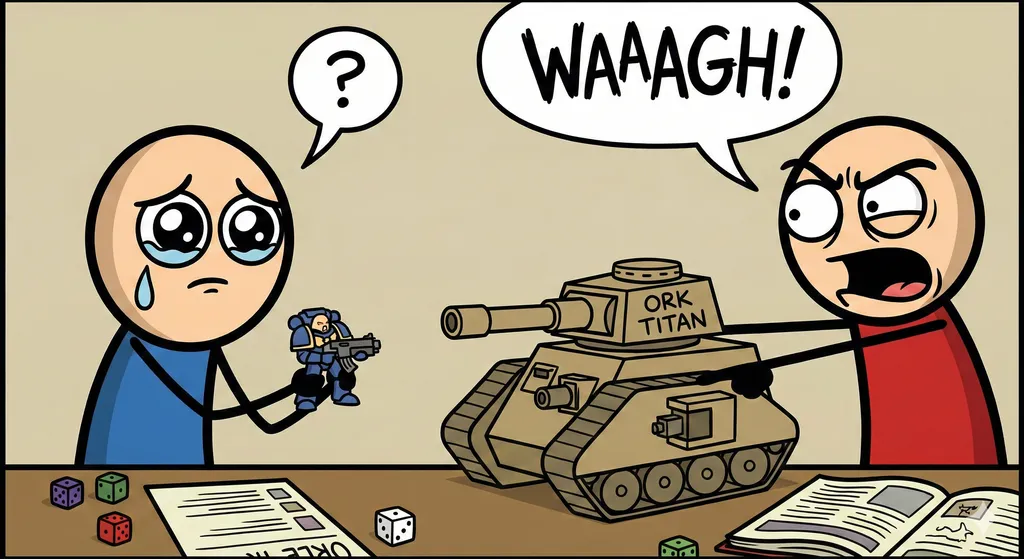
The recent buzz from Games Workshop, as reported by outlets like Spikey Bits, points to a significant shake-up across two of its most iconic skirmish and mass-battle systems: a forthcoming new edition for Necromunda and a detailed codex schedule for Warhammer 40,000. For veterans of the grim darkness, these aren't just announcements; they're tectonic shifts that redefine strategies, roster construction, and the very feel of play.
A 'new edition' for Necromunda isn't merely a re-packaging; it signals a fundamental re-evaluation of its core mechanics. Given the game's intricate web of gang progression, territory control, and lasting injuries, any revision will likely touch upon initiative rolls, combat resolution, and perhaps even the much-debated campaign rules. Will we see a streamlining of the often-dense rulebook, making it more accessible to newcomers, or a deepening of existing systems to reward long-term players? The current edition, while rich, has areas ripe for refinement – particularly around how different weapon profiles interact and the granularity of its injury table. A new edition offers the chance to recalibrate the balance between brutal realism and engaging gameplay, perhaps refining the activation sequence or introducing more dynamic environmental interactions that truly reflect the claustrophobic confines of the underhive. This is where the rubber meets the road: will the new rules empower narrative play or tighten competitive scenarios?
Concurrently, the Warhammer 40,000 codex schedule lays out a clear roadmap for the meta's evolution. Each new codex, with its bespoke detachments, stratagems, and updated datasheets, reshapes the competitive landscape entirely. The current 10th Edition has seen a rapid iteration of rules via FAQs and balance dataslates, but a full codex release is a different beast. It introduces entirely new ways to play a faction, often elevating previously overlooked units or completely redefining a faction's core strategy. Consider the impact of a well-crafted codex on a faction struggling in the current meta – suddenly, their 'worst' becomes a formidable 'best' through synergistic rules and point adjustments. This staggered release means players must constantly adapt, not just to their own codex, but to every new book that hits the table. The tactical depth lies in understanding not just your army, but the potential of your opponent's *future* army. Warhammer 40,000 Core Rules The balance team at Games Workshop has a monumental task in ensuring these releases maintain a semblance of equilibrium, preventing any single faction from dominating for too long, while still making each codex feel fresh and powerful.
From a lore perspective, a new Necromunda edition presents an opportunity to expand the narrative of the Hive Worlds. Will we see new sub-factions emerge from the depths, or existing gangs like the Escher, Goliath, and Cawdor gain deeper background integration? The underhive is a living, breathing character in itself, a labyrinth of forgotten technologies, corporate tyranny, and desperate survival. A rules overhaul could easily be framed within a major uprising, a new discovery in the sump, or the machinations of a new planetary governor. Imagine new scenarios driven by escalating cult activity or the emergence of hitherto unknown xenos threats lurking in the darkest corners of the underhive. This isn't just about new stat lines; it's about enriching the brutal, class-structured society that defines Necromunda.
For Warhammer 40,000, each codex release isn't merely a collection of rules; it's a chapter in the ongoing saga of the 41st Millennium. The lore sections within these books are often goldmines for campaigners and hobbyists, detailing new campaigns, character backgrounds, and the evolving state of the galaxy. A new Space Marine codex isn't just about stronger intercessors; it's about the continued struggle against the encroaching darkness, the subtle shifts in Chapter doctrines, or the emergence of new heroes and villains. Likewise, a Tyranid codex might unveil new bioforms, or an Aeldari book could hint at their desperate, long-term plans for survival. These lore updates provide the narrative scaffolding upon which players build their own stories, whether through Crusade campaigns or simply by inspiring their next kitbash project.
Ultimately, the success of these updates hinges on the player experience. A new Necromunda edition could either revitalize a beloved, if niche, system, drawing in new blood with streamlined rules and engaging campaigns, or alienate long-time enthusiasts if it deviates too far from its grimdark roots. For Warhammer 40,000, the steady cadence of codex releases, while ensuring a dynamic meta, also demands constant vigilance from players. It keeps the game fresh, preventing stagnation and encouraging exploration of different army builds. However, it also requires a significant investment of time and sometimes finances, to keep pace with the ever-shifting landscape. The ideal outcome for both games is a balance: rules that are robust and intuitive, lore that is expansive and inspiring, and a community that feels empowered to explore the vast possibilities within their chosen system. The constant evolution ensures that the grim darkness remains a vibrant, ever-changing canvas for our tabletop stories.
Top Pick: Necromunda: Ash Wastes
Expands the game to vehicular combat and larger battlefields, perfect for veteran gangs.
Check Price on Amazon →Related Stories
GW's 11th Ed Roadmap: A Strategic Shift for 40k
Games Workshop unveils a comprehensive roadmap for Warhammer 40,000's 11th Edition, alongside crucial Necromunda pricing updates and the highly anticipated Asta
Necromunda's Underhive Roars Anew: Core Set & Gangs Revealed
Games Workshop's latest Sunday Preview unveils a new Necromunda Core Set and fresh Underhive gangs. These highly anticipated releases are set to hit pre-order s
40K's Shifting Sands: Points, Power, and the Pursuit of Balance
Games Workshop’s latest Warhammer 40,000 rules and points updates demand a critical look. We dissect how these changes redefine list-building and battlefield st