
Magic in 2030: A Veteran GM's Multiverse Forecast
The Crit Sheet peers into the future of Magic: The Gathering, analyzing how mechanics, lore, and corporate strategy will shape the game by 2030. We dissect the likely impact on players and formats.
The Multiverse of Magic: The Gathering, meticulously crafted and sometimes controversially expanded by Wizards of the Coast under the Hasbro umbrella, stands at a fascinating precipice. Recent discussions, particularly those sparked by MTGGoldfish's Podcast 592, prompt us to peer into the scrying pool and forecast what the game might look like in 2030.
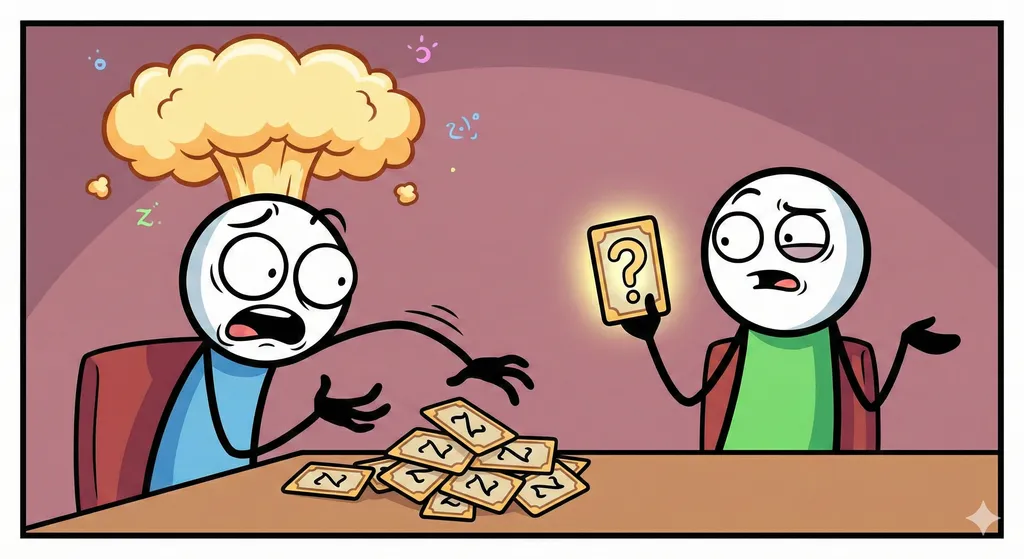
From a purely mechanical standpoint, the next six years promise an acceleration of complexity and product diversification. Expect an even higher velocity of new keyword mechanics, often with shorter lifecycles, designed for specific set environments rather than long-term evergreen status. Wizards has demonstrated a clear willingness to experiment rapidly, and this trend will only intensify. The product release schedule, already a veritable firehose, will diversify further. We'll likely see more micro-products, perhaps even digital-only supplemental releases for Magic: The Gathering Arena, blurring the lines between physical and virtual card ownership. Commander will undoubtedly remain the undisputed king of formats, but anticipate more explicit support for niche variants or even a new "casual-competitive" format designed to bridge the gap between kitchen table and tournament play. Universes Beyond will transition from an exciting exception to a foundational pillar of the release schedule, potentially even introducing new card frames or aesthetic treatments unique to those collaborations. This could lead to a consolidation of design space, with core sets becoming more foundational and UB sets pushing the boundaries of what a Magic card can *do*. The complexity creep is a tangible force; cards will continue to feature more text, more triggered abilities, and more synergistic parts, demanding higher cognitive load from players, which is a double-edged sword for enfranchised players and new recruits alike.
Lore, or "fluff" as some call it, will face its own set of challenges and opportunities. The Multiverse will grow exponentially, but its internal consistency will be increasingly challenged by the sheer volume of Universes Beyond crossovers. Will we still care about the Planeswalkers as much when Doctor Who and Warhammer 40,000 characters are just as prevalent? Expect more emphasis on "micro-lore" within individual sets, with less overarching, multi-set narratives. The grand story arcs that once defined Magic's narrative might become rarer, replaced by self-contained tales that serve as backdrops for mechanics. The concept of canon will become even more fluid. What "counts" as Magic lore will be a constant debate, particularly for older players, a challenge for worldbuilders but a boon for those who enjoy the freedom of mixing and matching. The aesthetic will continue to diversify, moving beyond traditional fantasy to embrace sci-fi, horror, and other genres, broadening appeal but potentially diluting the distinct visual identity that long-time players associate with the game.
So, what does this mean for the table? The "table feel" of Magic in 2030 will be one of overwhelming possibility and constant evolution. For new players, it will be an incredibly welcoming experience. The sheer variety of entry points (from Starter Kits to Commander Precons) and themes will mean there’s a Magic product for almost anyone. For veterans, however, it will be a test of adaptability and discernment. The "Fear of Missing Out" (FOMO) will be at an all-time high, driven by rapid releases and limited print runs. Curating a collection and staying abreast of the meta will require significant investment of time and money. The community will likely be more fragmented; players will gravitate more strongly to specific formats (e.g., Pauper, Modern, Commander) or even specific Universes Beyond properties. The common ground might shrink, but the individual communities within Magic will flourish. The secondary market will remain volatile, particularly for chase cards from limited print runs. Speculation will continue, and the cost of entry for competitive formats could remain prohibitively high. Ultimately, the game’s core appeal – intricate mechanics, strategic depth, and social interaction – will endure. But it will be encased in an increasingly complex and commercially driven shell. The challenge for Wizards of the Coast will be to maintain that core identity amidst the relentless pursuit of new revenue streams. The feel at the table will be one of endless possibilities, but also of constant evolution, demanding players keep up or fall behind.
Top Pick: Commander Masters
Provides a high-powered, curated Commander experience for enfranchised players looking to upgrade their decks.
Check Price on Amazon →Related Stories
Candelabra's Legacy Farewell: A Deep Dive into MTG's Latest Bans
Wizards of the Coast has dramatically altered the competitive Magic landscape with a significant ban. We'll explore the implications of Candelabra of Tawnos's d
Commander's True Cost: Valuing Your Cardboard Investment
A recent MTGGoldfish article detailed a player's $2,500 investment in Commander decks to fund a wedding. This move sparks critical discussion on the secondary m
MagicCon Amsterdam Box: Reprints or Rarity Sink?
Wizards of the Coast unveils the MagicCon: Amsterdam Festival in a Box, featuring new-art reprints. This release sparks debate among players regarding value, ac