Magic's New Battle Cards: A Tactical Shift in March of the Machine
Wizards of the Coast introduces the Battle card type, a transformative new mechanic that redefines how players approach the combat phase and resource management.
Wizards of the Coast is finally pulling back the curtain on the Battle card type in Magic: The Gathering's upcoming March of the Machine expansion, and it represents the most significant mechanical shift since the introduction of Planeswalkers in Lorwyn. For years, the card type line has remained relatively static, but the Phyrexians are literal agents of change, and their multiversal invasion provides the perfect narrative justification for a new way to interact with the board state. This is not just a new keyword; it is a fundamental expansion of how players allocate resources during the combat phase.
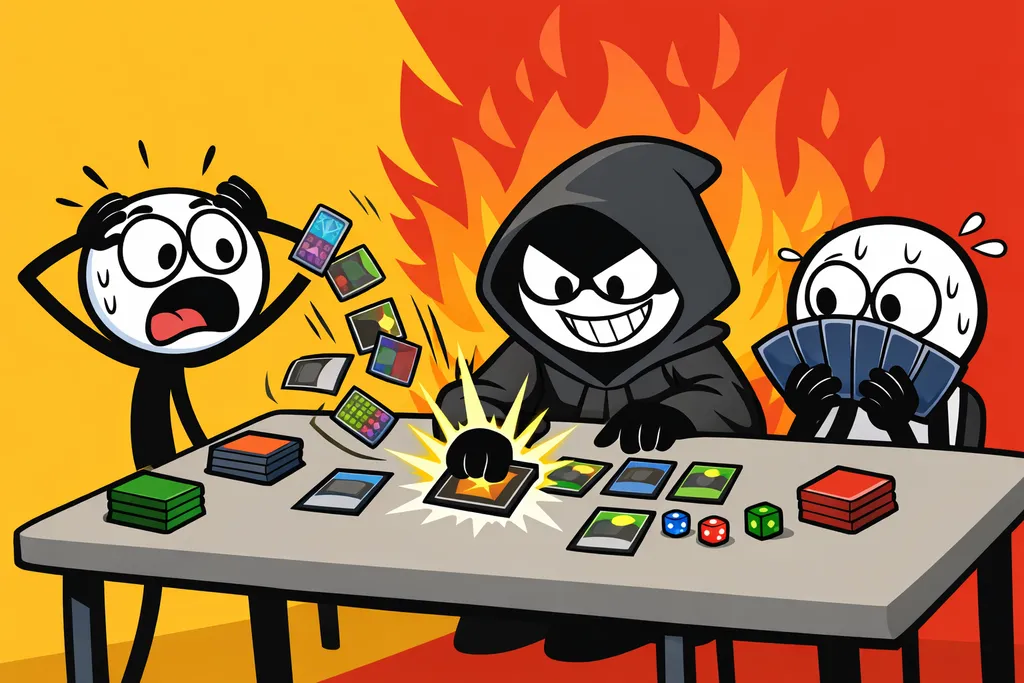
The crunch of the Battle type, specifically the Siege subtype, is where the veteran player’s interest will pique. When you cast a Siege, it enters the battlefield with a set number of defense counters. You choose an opponent to be the protector of that Battle. This creates a fascinating political and tactical inversion: you are casting a permanent that you must then attack or damage to defeat. Once the defense counters are removed, the Battle is exiled and you cast its transformed back face without paying its mana cost. This introduces a high-stakes mini-game. Do you send your 4/4 flyer at your opponent’s life total to close the game, or do you redirect that damage to the Battle to unlock a powerful legendary creature or enchantment on the reverse side?
Mechanically, this forces a re-evaluation of deck building. In the Commander Format, Battles are poised to become political bargaining chips. You can negotiate with one opponent to help you crack a Battle protected by a common enemy, effectively turning a three-player pod into a temporary alliance. However, the tempo cost is real. Playing a Battle that does not immediately impact the board is a risk. If you cannot defeat the Siege quickly, you have essentially spent mana to give your opponent a target to defend, potentially wasting your combat steps. It rewards players who can maintain a wide board or those who utilize direct damage spells that can now target any target, including Battles. Unlike the transition from THAC0 to the modern d20 system, which simplified the math, this adds a layer of cognitive load that requires careful tracking of a new health pool on the table.
From a lore perspective, these cards capture the scale of the March of the Machine. Each card represents a specific invasion of a known plane, such as the Invasion of Innistrad or the Invasion of Zendikar. For those of us who have followed the story since the Weatherlight Saga, seeing these worlds under siege feels like a culmination of decades of world-building. The March of the Machine Bundle highlights how these conflicts are not just background flavor but active participants in the gameplay. The flavor text and art depict the desperate defense of these realms, grounding the abstract mechanics of defense counters in the visceral reality of a multiversal war. Elesh Norn’s vision of a unified multiverse is literally being etched into the card types we play.
The verdict on table feel is optimistic but cautious. The complexity creep in the 5th Edition era of gaming is a constant concern, and adding a new permanent type with its own health bar and transformation trigger adds a layer of bookkeeping. However, the strategic depth is undeniable. It breaks the swing for face monotony that can sometimes plague mid-range mirrors. It asks the player to value future value over immediate pressure. If the rewards on the back of these Sieges are tuned correctly, we are looking at a permanent shift in how players evaluate their combat phase. It creates a secondary objective on the battlefield that mirrors the objective-based play found in high-level wargaming.
Ultimately, the Battle card type is a bold experiment. It leverages the double-faced card technology perfected in recent years and applies it to a broader, more interactive canvas. Whether you are a spikes-only tournament grinder or a flavor-first casual, the way you look at a creature with Haste is about to change forever. We are no longer just fighting players; we are fighting for the fate of the planes themselves.
Top Pick: March of the Machine Collector Booster
The best way to secure the high-impact Siege cards and their alternate-art counterparts.
Check Price on Amazon →Related Stories
Cowabunga in the Command Zone: TMNT Joins Magic The Gathering
Wizards of the Coast reveals the Teenage Mutant Ninja Turtles Universes Beyond collection, featuring Ninjutsu-heavy mechanics and stunning Booster Fun treatment
Cowabunga Value: MTG TMNT Prerelease Adds Bonus Promo Packs
Wizards of the Coast enhances the Teenage Mutant Ninja Turtles prerelease experience with additional incentive rewards. Attendees can now expect bonus Promo Pac
Neopets Battledome TCG: A Tactical Masterclass in Nostalgia
Upper Deck delivers a surprisingly deep combat system that utilizes custom dice and gear management to recreate the classic Neopet dueling experience. This edit