MCG's AI Fumble: A Crit on Creator Trust & TTRPG's Soul
Monte Cook Games recently replaced a promotional video after community backlash over AI-generated assets. This incident sparks a vital conversation about artistic integrity and the future of TTRPG publishing.
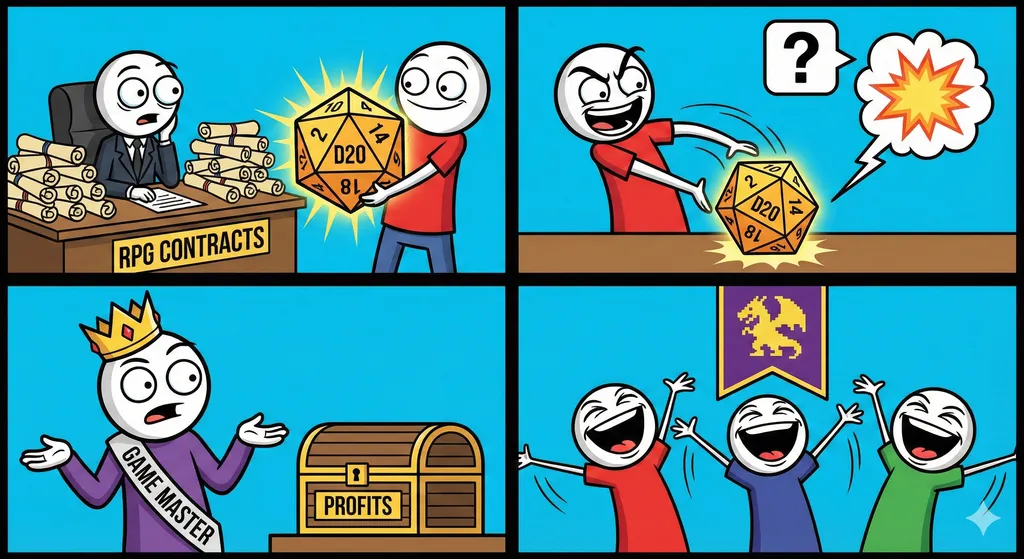
The recent kerfuffle surrounding Monte Cook Games (MCG) and their promotional video, swiftly replaced after an outcry over the use of AI-generated assets, serves as a potent reminder of the unique ecosystem that is the tabletop roleplaying game industry. This isn't just about a single video; it's a litmus test for publisher ethics, community values, and the very soul of creative endeavors in our beloved hobby.
From a purely mechanical standpoint, the introduction of AI-generated art into promotional material, and potentially game assets, fundamentally alters the economic and creative mechanics of TTRPG production. Our industry, unlike many others, thrives on a foundation of independent artists, skilled writers, and passionate designers. The 'crunch' of game development isn't merely about stat blocks and rule systems; it's about the human hours, the artistic vision, and the collaborative spirit that imbues a product with life. When AI enters the equation, it threatens to disrupt this delicate balance. It's not about efficiency; it's about the integrity of the creative supply chain. Publishers who lean on AI risk alienating the very pool of talent that has historically fueled our games, potentially devaluing the craft and driving down rates. The 'mechanic' of trust between creator and publisher, and publisher and player, is paramount. This trust is built on shared values, and for many, the ethical sourcing of art is non-negotiable.
The lore of the TTRPG industry itself is steeped in human creativity and collaboration. From the earliest hand-drawn maps and typewritten zines to the lavishly illustrated tomes of today, our games have always been a testament to human imagination. Monte Cook himself, a titan whose name is synonymous with groundbreaking design from the 3rd Edition of Dungeons & Dragons to the innovative Cypher System, comes from a lineage of creators who built worlds with their minds and hands. The 'fluff' of our hobby isn't just the fantastical settings we explore; it's the rich history of artists, writers, and designers pouring their essence into every page and every piece of art. To introduce AI without clear ethical guidelines or transparent disclosure is to disregard this 'lore'—this shared heritage of craft and human endeavor. It suggests a prioritizing of expediency or cost-cutting over the deep-seated value placed on human artistic contribution by the community.
So, what does this mean for the table? The 'table feel' isn't just about the rules; it's about the entire experience, from flipping through the art-laden pages of a rulebook to supporting the companies whose values align with your own. When a publisher is perceived to cut corners or sidestep ethical considerations regarding art, it can subtly—or not so subtly—sour that experience. It raises questions: If AI is in the promo, where else might it creep in? Core rulebook illustrations? Adventure path maps? The vibrant community that supports Monte Cook Games and their products, such as Numenera, expects a certain level of commitment to human artistry. MCG’s swift action to replace the video and issue a statement demonstrates an understanding of this. It wasn't just a PR move; it was an acknowledgment of the community's expectations and a reaffirmation of the values that underpin our hobby. This incident, while a stumble, ultimately reinforced the power of player voice and the importance of publishers listening. It's a reminder that the health of our games relies as much on ethical practice as it does on elegant design.
Top Pick: Numenera Discovery
Its incredibly imaginative setting and accessible Cypher System mechanics offer a fresh take on science-fantasy exploration.
Check Price on Amazon →Related Stories
The Indie Ascent: Forge Your Own RPG Legacy
EN World's 'RPG Evolution' isn't just a headline; it's a call to arms for creators, democratizing game design and publishing. This deep dive explores how launch
Paranoia Perfected: Why Alpha Complex Still Delights & Destroys
Mongoose Publishing's latest print run of Paranoia: The Perfect Edition reminds us why this satirical RPG endures. We dissect the brilliant mechanics and lore t
D&D's Ayoub on OGL: Rebuilding Trust at the Table
Dan Ayoub, Head of Dungeons & Dragons, addresses the lingering OGL crisis, acknowledging the fragile nature of community trust. This editorial explores what his