
Perilous Paths: Arcane Scrollworks’ New Die in 'Echoes of the Serpent King'
Arcane Scrollworks has dropped a free preview module for 'Echoes of the Serpent King' in a recent charity bundle, unveiling the intriguing Peril Die mechanic. This deep dive explores how this OSR-inspired innovation promises to reshape dungeon crawling, adding layers of tension and strategic resource management to the table.
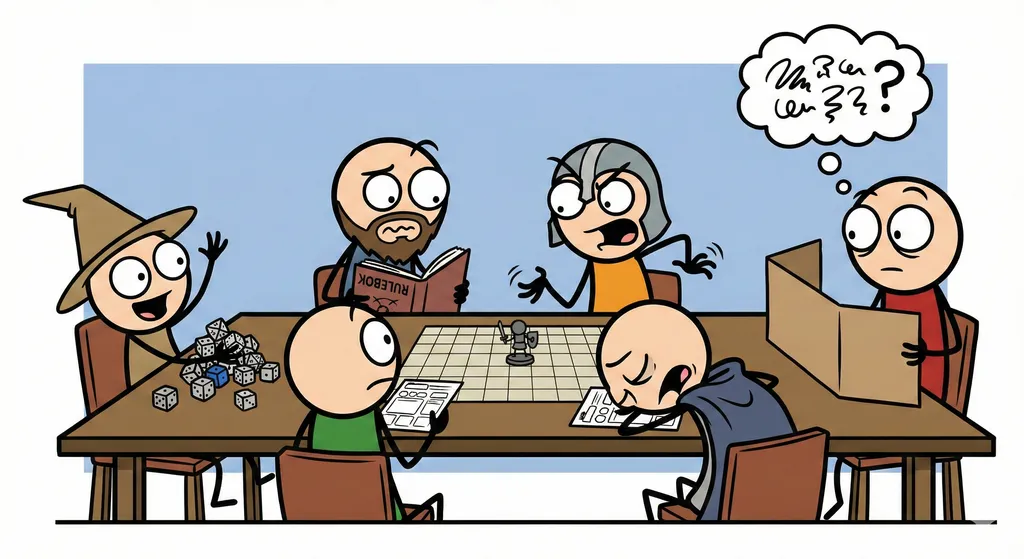
The recent EN World charity bundle wasn't just a trove of good deeds and digital discounts; it quietly delivered a tantalizing taste of what's to come from Arcane Scrollworks. Buried within the hundreds of pages of excellent material was "The Whispering Fane of Xylos," a standalone preview module for their highly anticipated OSR-inspired adventure path, *Echoes of the Serpent King*. This isn't just a freebie; it's our first substantial look at the "Peril Die," a mechanic that Arcane Scrollworks has been teasing as a cornerstone of their design philosophy. As veteran GMs, we know a new die isn't just a chunk of plastic; it's a statement of intent, a declaration of how a game intends to challenge its players and empower its GMs.
At its core, the Peril Die is a d6, deceptively simple, but its integration is where the genius—or potential pitfall—lies. Unlike a flat failure, the Peril Die introduces escalating complications. Whenever a party fails a crucial check related to exploration, resource consumption (think torches burning out, rations dwindling), or even certain environmental interactions, the GM rolls the Peril Die. The result isn't a simple "you fail and try again" or "nothing happens." Instead, it triggers a table of escalating consequences: a "1" might mean a minor setback, like losing a single ration or making a bit of noise, potentially attracting distant attention. A "3" could signify a hidden trap sprung, or a sudden shift in the environment, requiring an immediate skill challenge to avoid further detriment. A "6," however, is a critical Peril, potentially triggering a random encounter, a sudden structural collapse, or even attracting the direct attention of a major antagonist. What makes this particularly compelling is that the *type* of Peril is often contextualized by the specific area or situation, with the module providing tailored tables for different dungeon zones. This isn't just a random encounter table; it's a narrative pressure valve, ensuring that even "failed" actions contribute meaningfully to the unfolding story, rather than simply stalling progress. It feels like a direct evolution from older resource tracking methods, moving beyond simple tally marks to dynamic, immediate consequences that demand player attention. This stands in stark contrast to the binary success/failure of many modern systems, adding a crucial layer of consequence that feels more organic and less punitive than a simple "no."
Lore-wise, "The Whispering Fane of Xylos" and the broader *Echoes of the Serpent King* narrative are steeped in themes of ancient, forgotten civilizations, creeping cosmic horror, and the slow decay of magic. The Peril Die perfectly encapsulates this. The world itself is hostile, unpredictable, and actively working against the delving adventurers. The whispers of Xylos, an elder entity slumbering beneath the Fane, subtly influence the environment, causing minor misfortunes that build into existential threats. Resource scarcity isn't just a mechanical contrivance; it's a reflection of a world where safe havens are few and far between, and the very air seems to conspire against the living. It reinforces the idea that the heroes are not just exploring ruins, but actively contending with a dying, malevolent world, where even mundane actions carry inherent risk. This is the kind of tight narrative-mechanical integration we crave; the crunch isn't arbitrary, it's a direct expression of the fluff, making the setting feel genuinely dangerous and alive.
So, how does this all translate to the table? The Peril Die, in practice, is a masterful tool for GMs looking to inject dynamic tension without resorting to constant combat or contrived plot points. It shifts the burden of "what happens next?" from the GM's sole improvisation to a semi-randomized, yet narratively resonant, system. Players are immediately aware that even small failures can snowball, fostering a sense of dread and encouraging more careful planning and resource management. This isn't about punishing players; it's about amplifying the stakes and making every decision, every failed perception check, feel significant. It promotes a more cautious, tactical approach to dungeon crawling, reminiscent of classic OSR sensibilities but with a modern, elegant execution. While some GMs might initially balk at adding another die roll, the structured consequences streamline on-the-fly improvisation, making the GM's job easier in the long run by providing immediate, impactful narrative prompts. It ensures that even a seemingly innocuous action, like checking for traps or trying to pick a rusty lock, carries a palpable sense of risk, creating a constant hum of tension. For those who yearn for the days when a dungeon felt like a truly dangerous, living entity, the Peril Die delivers. It transforms the mundane into the perilous, ensuring that even a simple foray into the "Crimson Crypts" can become a desperate struggle for survival, where cleverness and caution are prized above raw power. This feels like a return to form for exploration-focused TTRPGs, rewarding thoughtful engagement with the environment.
Top Pick: Echoes of the Serpent King Core Rulebook
For GMs seeking dynamic tension and elegant resource management in their OSR-inspired campaigns.
Check Price on Amazon →Related Stories
Beyond Human: Reshaping Emotion with Chromatic Empathy
Aetherweave Games' 'Chromatic Empathy' concept redefines alien psychology. We delve into how remapping emotions via color creates profound TTRPG experiences.
Spring Eggs: A Gentle Adventure for Young TTRPG Heroes
The Kind GM's "The Festival of Spring Eggs" offers a refreshing take on TTRPGs for younger audiences, prioritizing cooperation over conflict. This module provid
Ravenloft's Shadow Deepens, Paizo Unleashes New Terrors
The latest EN World podcast reveals significant updates to D&D 5th Edition's Ravenloft, alongside Paizo's venture into a dedicated horror RPG. We dissect what t