
Pokémon TCG: When Celebrity Trades Spark Community Debate
A recent Star City Games report detailed allegations against the Pokémon theme song singer regarding an unfair card trade with a young fan. This incident reignites critical discussions about TCG community ethics and the responsibilities of public figures within our hobby.
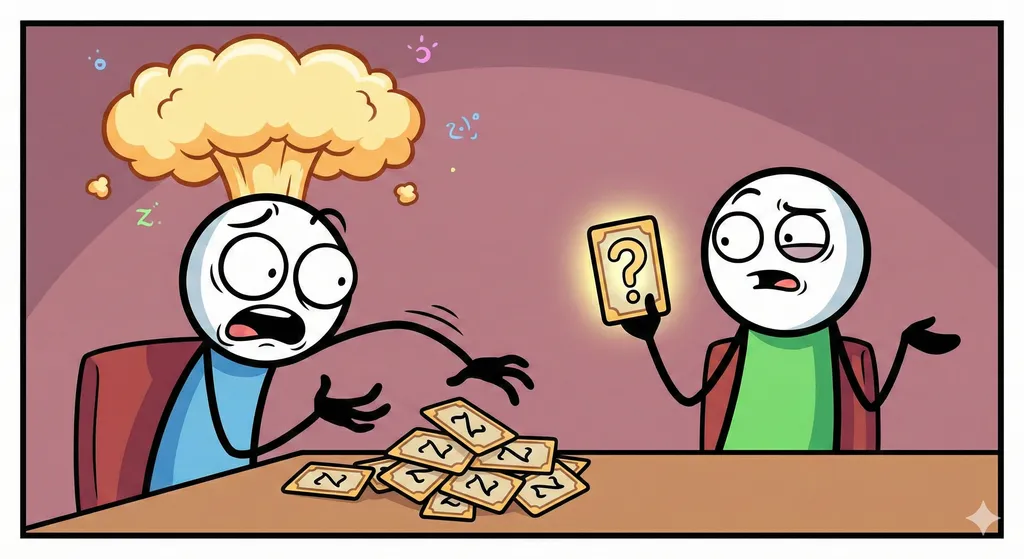
The world of Pokémon TCG, a vibrant ecosystem fostered by The Pokémon Company International, found itself under a microscope this week following a Star City Games report detailing a contentious trade involving the franchise’s iconic theme song singer and a young fan. The singer has since responded, claiming the trade was in the other party’s favor and that they were misled by a competing vendor. This isn't just gossip; it's a pivotal moment for the community to examine its unwritten rules, the mechanics of fair valuation, and the crucial role of trust.
At the heart of the matter lies the often-murky mechanics of card valuation. Unlike a fixed retail price, the secondary market for Pokémon TCG cards is a dynamic beast, influenced by rarity, playability in various formats, art, condition, and pure collector demand. A card's 'value' isn't a static number; it's a constantly fluctuating average across various platforms like TCGplayer or Card Kingdom. What one vendor prices a card at can differ wildly from another, and even more so from a private sale or trade. The singer's defense hinges on the idea that the trade was *subjectively* in the fan's favor, or at least perceived to be at the time, and that external information (from a 'competing vendor') complicated the situation. This highlights a fundamental challenge: in a peer-to-peer trade, both parties are expected to perform their own due diligence. But when one party is a public figure and the other a young enthusiast, the power dynamic shifts dramatically. The 'crunch' of TCG economics dictates that information asymmetry often leads to perceived unfairness, especially when one party is less experienced in market analysis. The onus, arguably, falls more heavily on the seasoned collector or public figure to ensure transparency, not just legality, in such exchanges.
Moving beyond the raw numbers, we delve into the 'fluff' – the cultural lore and social contract that underpins the Pokémon TCG community. Pokémon, at its core, champions themes of friendship, adventure, and growth. This ethos extends to the community, where there's an unspoken expectation of mentorship and fair play, particularly towards younger or newer players. A public figure, especially one intrinsically linked to the brand's nostalgia and spirit, carries an amplified responsibility. Their actions are not just personal transactions; they become emblematic of the community itself. When allegations of an unfair trade surface, it doesn't just question the individual; it casts a shadow on the perceived integrity of the hobby. The 'lore' of the Pokémon community values passion and camaraderie, making any perceived exploitation of innocence or inexperience particularly jarring. This incident forces us to confront the tension between the aspirational ideals of the Pokémon universe and the transactional realities of a high-value collectible market.
So, what's the verdict for the table? Is this good for the game? Absolutely not. While the specific facts of the trade are still debated, the mere existence of this public controversy erodes trust. For newer players, especially young fans eager to engage with their heroes, such stories can be deeply discouraging, fostering cynicism rather than enthusiasm. For the broader community, it underscores the need for clear communication, personal responsibility, and perhaps, a more proactive stance from event organizers or even The Pokémon Company International in promoting best practices for fair trading. This isn't about shaming; it's about safeguarding the welcoming environment that has allowed Pokémon TCG to thrive for decades. The 'table feel' of any TCG relies on a foundation of mutual respect and shared enjoyment. When that foundation is shaken by questions of fairness and ethical conduct, everyone loses. We need to collectively reinforce the values that make this hobby great, ensuring that the spirit of Pokémon — of friendship and fair play — truly permeates every interaction, especially when power dynamics are uneven.
Top Pick: Pokémon TCG Trainer's Toolkit
Essential resources for new players to understand card valuation, deck building, and the basics of fair play within the game's ecosystem.
Check Price on Amazon →Related Stories
MagicCon Amsterdam Box: Reprints or Rarity Sink?
Wizards of the Coast unveils the MagicCon: Amsterdam Festival in a Box, featuring new-art reprints. This release sparks debate among players regarding value, ac
Chicago's NAIC: A Strategic Play in the Pokémon TCG Arena
The Pokémon Company International has named Chicago as the next host city for the North American International Championship. This significant announcement, pair
Brock's Scouting: China's Exclusive Pokémon TCG Power Play
The Pokémon TCG unveils an exclusive special illustration rare of Brock's Scouting for its Chinese release. This limited-access card sparks discussion on region