
Primarch Resurgence & Points: Warhammer 40k's Shifting Tides
Spikey Bits reports suggest a seismic shift for Warhammer 40,000 with rumored Primarch returns, new Armageddon boxes, and critical points adjustments. This deep-dive explores how these changes will fundamentally reshape the game's mechanics and lore.
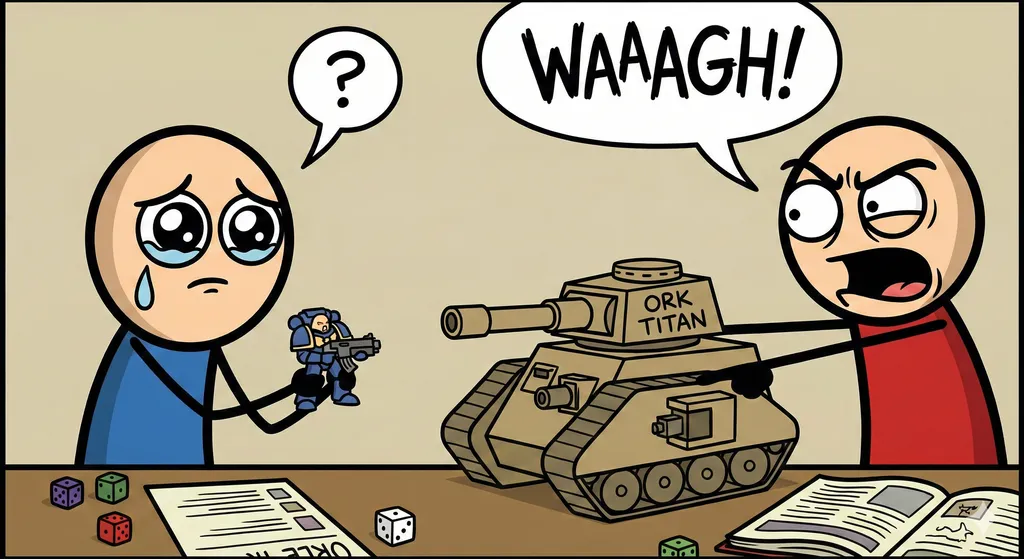
The latest dispatch from Spikey Bits on April 11th, 2026, details a potential seismic shift for Warhammer 40,000, signaling Games Workshop's continued aggressive evolution of its flagship miniatures game. Rumors of returning Primarchs, new Armageddon-themed battle boxes, and a fresh round of points adjustments paint a picture of an invigorated, if volatile, meta. As veterans of the grimdark know, such announcements are rarely mere window dressing; they are the gears grinding in the engine of galactic conflict, demanding a close look at how they'll impact our tables.
Let's dissect the crunch first, starting with the omnipresent points changes. These aren't just numbers on a spreadsheet; they are the unseen hand guiding army composition, dictating tactical viability, and ultimately, shaping the competitive landscape. A significant rebalancing suggests a move to address current meta-dominant strategies, potentially elevating underperforming units or gently reining in over-efficient ones. Will we see a return to infantry-heavy lines, or will vehicle columns finally find their footing against the current wave of anti-tank firepower? The specific adjustments will determine whether this is a surgical strike or a broad-spectrum recalibration, fostering diversity or inadvertently creating new boogeymen. For the seasoned general, understanding these shifts is paramount to crafting a list that doesn't just look good, but performs.
The 'Armageddon Boxes' are another fascinating mechanical proposition. Historically, these themed releases often bundle specific units, sometimes with exclusive sculpts or rules variations for a limited time. If these boxes focus on the iconic defenders of Armageddon – the Steel Legion, the Black Templars, or even new Ork Kults – they will likely come with bespoke detachments or Stratagems designed to evoke the brutal trench warfare and desperate defenses of that ravaged hive world. This could introduce new tactical sub-factions or provide a much-needed injection of themed units, encouraging players to build narratively rich armies with a competitive edge. It's an opportunity for Games Workshop to inject flavor directly into the ruleset, giving players more specialized tools for specific conflicts.
But the real seismic event, if true, is the 'Primarchs Returning.' This isn't just a new unit; it’s a living legend stepping onto the battlefield. While Roboute Guilliman and Lion El'Jonson have already graced our tables, the speculation around *which* Primarchs might follow is electrifying. Mechanically, a new Primarch would undoubtedly be a colossal centerpiece, commanding a prohibitive points cost but bringing unparalleled battlefield presence. We're talking about unique auras that elevate entire sections of an army, devastating combat profiles, and potentially game-altering Command abilities. Will they follow the Daemon Primarch model of Angron or Mortarion, offering immense durability and offensive output? Or will they be more akin to the Loyalist Primarchs, focusing on strategic buffs and crucial counter-attacks? The rules for a new Primarch will define not just a single unit, but potentially an entire faction's playstyle around their indomitable presence. Warhammer 40,000 Core Rulebook
Beyond the dice rolls and stat lines, the return of Primarchs is a cataclysmic narrative event. The galaxy is already fractured, reeling from the Cicatrix Maledictum. The re-emergence of another demigod, particularly from the lost or traitor legions, would send shockwaves through every faction. Imagine the narrative implications: a loyalist Primarch returning to a vastly changed Imperium, grappling with the Ecclesiarchy's dogma or the High Lords' politicking. Or, perhaps more thrillingly, a traitor Primarch, fully unleashed, bringing their unique brand of cosmic horror and strategic genius to the Great Game. The lore of Armageddon itself is deeply intertwined with legendary figures like Commissar Yarrick and the Ork Warlord Ghazghkull Thraka. New boxes could explore unseen chapters of that conflict, perhaps even delving into the planet's dark past or the forgotten xenos threats that lurk beneath its ash-choked surface. The narrative space is ripe for expansion, allowing Games Workshop to weave new sagas that resonate with the established history, pushing the story forward in dramatic fashion. This isn't just about new models; it's about new chapters in the eternal struggle for the galaxy, adding layers of depth to an already sprawling mythos.
So, what does this mean for the table? The immediate impact of significant points changes is a shake-up, forcing players to re-evaluate their carefully crafted lists. This can be frustrating for those who've invested heavily in a particular archetype, but it's ultimately healthy for the game, preventing stagnation and encouraging experimentation. The Armageddon boxes, if well-executed, will offer excellent entry points or thematic expansions, enriching the hobby for both new and veteran players alike, providing a cohesive narrative alongside functional units.
The true test, however, lies with the rumored Primarchs. While undeniably exciting from a lore perspective, their mechanical implementation is crucial. Will they be balanced additions that elevate their respective factions, or will they create an arms race, turning every game into a 'who brought the bigger monster?' contest? The risk of 'hero hammer' is ever-present, where the game becomes less about combined arms and more about singular, unstoppable entities. Games Workshop has shown a willingness to iterate and adjust, and the community's feedback on existing Primarchs will hopefully inform the design of any new ones. If designed with careful consideration for competitive balance and narrative integrity, these returns could be the shot in the arm Warhammer 40,000 needs, adding unparalleled drama and strategic depth. Failure to do so risks alienating parts of the player base who crave more nuanced gameplay. Ultimately, these potential announcements signal a vibrant, evolving future for the 41st millennium, one where the stakes are higher and the legends loom larger than ever before.
Top Pick: The Crit Sheet's "Warhammer 40,000 Meta Analysis"
Stay ahead of the curve with expert list-building advice.
Check Price on Amazon →Related Stories
11th Edition Stratagems: A Tactical Reckoning for Warhammer 40k
Games Workshop has unveiled a significant overhaul to Warhammer 40k 11th Edition stratagems, with nearly every core tactical option receiving an update. This de
11th Edition Layouts: The Defiler's New Dance Floor?
Games Workshop is testing new Warhammer 40,000 mission layouts for 11th Edition, significantly impacting unit viability and tactical depth. We analyze how these
The Eleventh Hour: Decoding Warhammer 40K's Next Edition
Games Workshop has begun unveiling the mechanics for the highly anticipated 11th Edition of Warhammer 40,000. We dissect the revealed rules, examining their imp