
Print's Enduring Reign: Why Physical RPG Books Still Crit
EN World's "RPG Print News" report highlights the robust health of physical D&D, Pathfinder First Edition, and OSR titles. This isn't just nostalgia; it's a testament to tactile preference, enduring design, and a thriving community.
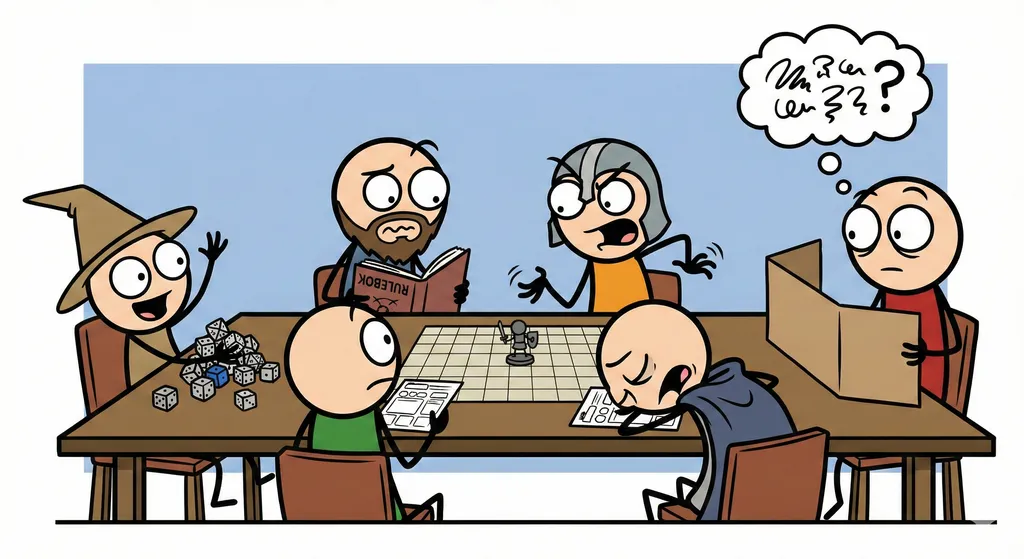
The recent "RPG Print News" report from EN World confirms what many of us have felt at our tables for years: the physical, printed artifact of roleplaying games, particularly D&D, Pathfinder First Edition, and the burgeoning OSR scene, isn't just surviving—it's thriving. This isn't merely about a sentimental attachment to paper; it's a testament to enduring design, robust community engagement, and a fundamental tactile preference that even the most sophisticated digital convenience simply cannot replicate.
The continued vitality of D&D in print, even amidst its aggressive digital push, speaks volumes about its foundational mechanics. Whether it's the streamlined yet versatile core of 5th Edition or the intricate tactical depth of Pathfinder First Edition, having these rulebooks physically present fundamentally alters the game flow. Forget the frantic alt-tabbing or the slow load times of a PDF; the satisfying weight of a Monster Manual in hand, the instant flip to a spell description in the Player's Handbook, or the dog-eared pages of a custom dungeon from an OSR zine—these are tangible mechanical advantages that streamline play. For 5th Edition, this means swifter adjudication of Advantage/Disadvantage, clearer understanding of spell effects, and quicker reference for monster stat blocks, keeping the narrative momentum high. For Pathfinder 1E, it's about immediately referencing those crucial feats, archetypes, or combat maneuvers that define complex character builds, allowing for more fluid tactical combat. And in the OSR, where rules are often light but the principles of player skill, emergent narrative, and lethal consequences are paramount, a well-structured print module often includes GM-facing mechanics for reaction rolls, morale checks, and exploration procedures that are immediately actionable and easily absorbed. The physical format encourages a different kind of engagement with the rules, one that often feels more deliberate, less prone to digital distraction, and crucially, more collaborative as players can easily share and reference information simultaneously. It makes the game feel more present and grounded at the table, fostering a deeper connection to the system itself.
Beyond the raw crunch of dice and modifiers, the lore is the very soul of any RPG. The persistent demand for physical copies of D&D settings, from the iconic Forgotten Realms to the pulpy intrigue of Eberron, allows players to immerse themselves in these worlds without the sterile glow of a screen. Holding a sourcebook filled with deep history, intricate pantheons, and unique cultures fosters a connection to the setting that a PDF, however convenient, consistently struggles to match. Pathfinder's Golarion, with its rich, often darker, and more complex narratives, benefits immensely from the ability to pore over gazetteers and bestiaries at leisure, absorbing the nuanced tapestry of its diverse regions and warring factions. The OSR, meanwhile, thrives on evocative, minimalist lore presented in digestible, often unsettling chunks within its modules and zines. Think of the cryptic entries in a Mörk Borg supplement, the sparse, dangerous truths revealed in a Dolmenwood Campaign Book adventure, or the rich, implied history of a *Veins of the Earth* cavern system. This format encourages GMs to expand and personalize, using the printed text as a springboard for their own creativity rather than a definitive, unyielding encyclopedia. The physicality grounds the fantastical, making the lore feel more real, more tangible, and ultimately, more personal to the group crafting their story within it.
So, what does this ongoing print renaissance mean for the actual experience at the table? It's overwhelmingly positive. It signifies choice, accessibility, and a validation of diverse playstyles. For new players, a physical starter set for D&D 5th Edition provides a clear, guided entry point. For veterans, the continued support for Pathfinder First Edition means their investment in its intricate system remains viable, with new third-party content sometimes appearing. And for the OSR, print is its lifeblood. Zines, slim adventure modules, and elegant hardcovers are the primary conduits for its creative output, fostering a vibrant indie scene. This isn't just about collecting; it's about utility. A physical book never runs out of battery, isn't subject to licensing changes, and can be passed around the table for easy reference. It enhances the social contract of the game, creating a shared artifact that binds players and GM to the unfolding narrative. The tactile nature of print fosters a more focused, less distracted play environment, encouraging genuine interaction and collaborative storytelling. It’s a powerful counter-narrative to the pervasive digital-first push, reminding us that some experiences are simply better when they're tangible.
Top Pick: The Black Hack Second Edition
Elegant OSR system that fits perfectly into a single, compact physical book, demonstrating the power of concise print design.
Check Price on Amazon →Related Stories
Ravenloft's Shadow Deepens, Paizo Unleashes New Terrors
The latest EN World podcast reveals significant updates to D&D 5th Edition's Ravenloft, alongside Paizo's venture into a dedicated horror RPG. We dissect what t
Melf's Greyhawk Guide: A Legacy Reborn at the Table
Luke Gygax prepares to unleash Melf's Guide to Greyhawk, promising a deep dive into the Flanaess. We dissect what this means for mechanics, lore, and the enduri
Ravenloft's Grimoire of Dread: Unpacking The Horrors Within
Wizards of the Coast's latest Ravenloft entry promises deeper dread. We dissect its new mechanics and lore, evaluating its impact on your 5th Edition horror cam