
Secret Lair's Retro Resurgence: Nostalgia, Art, and the Double Buy
Wizards of the Coast's latest Magic: The Gathering Secret Lair evokes classic aesthetics, but its peculiar offering structure demands a double purchase for many collectors. We analyze the implications for players, the meta, and the ongoing value of limited-edition TCG releases.
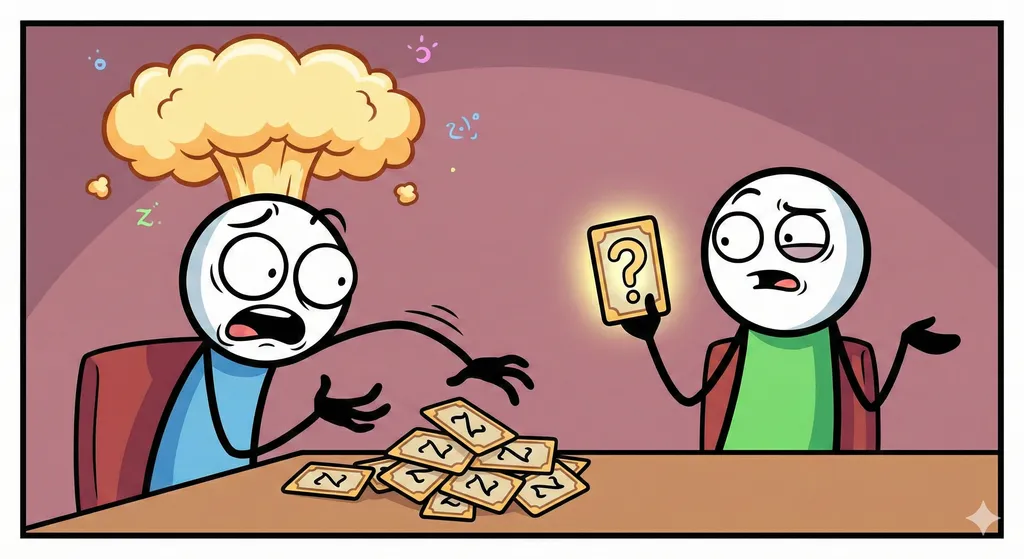
The latest Secret Lair drop from Magic: The Gathering, courtesy of Wizards of the Coast and its parent company, Hasbro, has sparked considerable chatter, and not just for its undeniably gorgeous retro aesthetic. While the art direction is a masterful callback to Magic’s foundational sets, the underlying sales model presents a familiar, yet frustrating, dilemma for the dedicated player and collector: to truly complete the vision, you often can’t buy just one.
Let's cut right to the crunch. Secret Lairs are, by design, premium, direct-to-consumer products offering unique art treatments, foils, or never-before-seen combinations of cards. They bypass traditional distribution, fostering a direct relationship with the player base, often at a premium. This particular retro-themed Secret Lair, however, seems to be engineered for a specific kind of double-dip. While the exact contents vary by drop, the common thread in these “buy two” scenarios is typically one of two designs: either the Secret Lair contains a selection of cards, each presented in *two distinct retro art styles or frame treatments* (e.g., one version in an old-school white border, another in a specific early expansion’s frame), meaning a single box only grants you one of each variant. To acquire both distinct art versions of the featured cards, or to assemble a playset of a particular retro treatment for a competitive format, two purchases become the practical minimum. Alternatively, a single Secret Lair might offer a partial playset (say, two copies of a key card), necessitating a second purchase to complete a full four-of for formats like Modern or Legacy.
This isn't merely about convenience; it's a calculated decision that leverages player psychology. For a Commander player, a single copy of a beautifully retro-framed Sol Ring or Path to Exile might suffice. But for the collector driven by completion, or the player who genuinely wants a full set of a specific retro art treatment, the design pushes them towards a second transaction. This model, while lucrative for the publisher, can feel exploitative to a community that already navigates a complex TCG economy. It’s a subtle shift from offering *more* product to making a *single* product feel inherently incomplete.
Beyond the financial mechanics, the *fluff* of this Secret Lair is where it truly shines. The "retro" theme isn't just a buzzword; it’s a deep dive into Magic: The Gathering's visual history. We're talking about the thick, iconic borders of Alpha and Beta, the distinct typography of early sets, and art styles that predate the hyper-detailed digital renderings prevalent today. This isn't just nostalgia; it's an archaeological dig into the game's aesthetic roots. Imagine a Blood Moon rendered with the stark, almost crude beauty of early fantasy art, or a Counterspell that looks like it could have been pulled from a booster in 1995. This appeals directly to the veteran player, the one who remembers the thrill of cracking a pack of Ice Age or Tempest, and who appreciates the evolution of Magic's visual identity. It’s a love letter to the game’s origins, skillfully crafted to evoke powerful memories and a sense of timelessness.
So, what’s the verdict at the table? For the Commander player, if the cards are staples and the art is compelling, a single purchase is likely enough to add some flair to their deck. The specific retro art treatments are often unique and highly sought after, providing a distinct identity for key pieces in a 100-card singleton format. For competitive players, however, if the cards are format staples (and Secret Lairs often feature such cards), the forced double-purchase model for a playset can be a bitter pill. It inflates the cost of entry for specific card versions, potentially creating a secondary market premium for these niche printings. Collectors, arguably the primary target of Secret Lairs, will feel the pinch most acutely. The desire for a complete set of *all* retro variants ensures that many will grudgingly make that second purchase, further cementing Secret Lairs as a collectible rather than merely a supplemental product. This strategy, while brilliant from a business perspective, walks a fine line between catering to niche desires and testing the patience of its most dedicated players. It's a testament to the power of well-executed nostalgia, but one that comes with a tangible cost.
Magic: The Gathering Commander Decks
Top Pick: Magic: The Gathering 30th Anniversary Playmat
For celebrating Magic's rich history with iconic art.
Check Price on Amazon →Related Stories
Galloping Genius: Magic: The Horsening's Deep Design
"Magic: The Horsening" from Equine Games Collective is more than a novelty; it features a surprisingly deep Stamina resource system and dynamic "Herd" mechanics
Fan MTG Format Axes Universes Beyond: A True Standard?
A new fan-made Magic: The Gathering format is stirring conversation by proposing a radical solution to Standard's woes: banning all Universes Beyond releases. W
Deoxys Overload: Chaos Rising's Repetitive Design Choice
The Pokémon TCG's Chaos Rising expansion features Deoxys four times, sparking debate on design intent. We analyze the mechanical and lore implications of this p