
The 'Cheap Warhammer' Paradox: A New Era for the 40K Economy
Reports of new, cheaper distribution channels for Games Workshop products signal a major shift. This deep-dive explores the market mechanics and community impact.
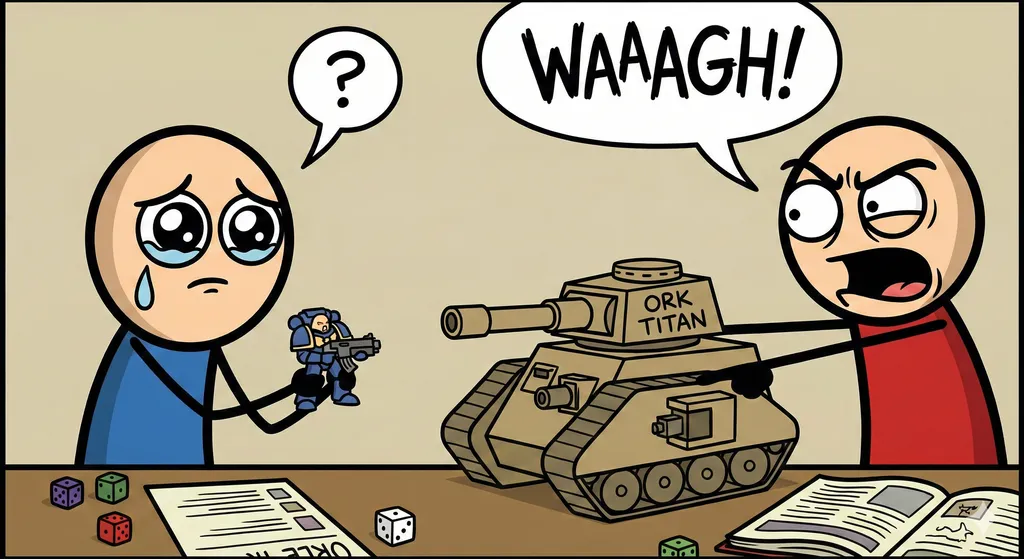
Whispers from the void, amplified by the data-slates of Spikey Bits this past weekend, speak not of new Xenos threats or Imperial heroes, but of a more terrestrial, yet equally impactful shift for Games Workshop and its flagship, Warhammer 40,000: new avenues for acquiring miniatures at significantly reduced prices. For veteran players and fresh recruits alike, the notion of 'cheap Warhammer' outside of the second-hand market or a rare clearance bin is nothing short of revolutionary, demanding a thorough examination of its implications.
This isn't about a new stratagem or unit profile; this is about the economic engine that drives our grimdark obsession. The emergence of new, presumably larger, retail partners offering Games Workshop products at significant discounts represents a fundamental alteration to the hobby's market mechanics. Historically, Games Workshop has maintained a tight rein on its pricing and distribution, often resulting in premium costs through official channels and independent retailers. While this ensured a certain perceived value and supported dedicated hobby stores, it also created a substantial barrier to entry for many.
Now, if players can consistently find brand-new, shrink-wrapped Warhammer 40,000 sets at prices previously unheard of for official stock, several dominoes are set to fall. Firstly, and most critically, is the impact on Local Game Stores (LGS). These vital community hubs often operate on razor-thin margins, relying on sales, events, and a vibrant local scene. If a significant portion of their potential customer base diverts to larger online or brick-and-mortar retailers offering deeper discounts, the financial viability of many LGS could be severely challenged. This isn't a 'grey market' issue; this is a shift in official, primary distribution, and its ripple effects will be profound.
From a player accessibility standpoint, however, this could be a massive boon. The initial investment required for a Warhammer 40K army has always been substantial, often daunting for newcomers. Lowering this financial hurdle could dramatically expand the player base, injecting fresh blood, diverse armies, and new tactical perspectives into the meta. Imagine the surge of interest if a Combat Patrol: Space Marines becomes genuinely affordable for a wider demographic. This isn't just about selling more plastic; it's about growing the entire ecosystem of painters, modellers, and competitive players.
The 'lore' of our hobby extends beyond the written word; it encompasses the shared rituals and communal spaces where we engage with the game. For decades, the LGS has been the beating heart of the tabletop community—a physical nexus where battles are fought, models are admired, and friendships forged over dice rolls and army lists. This economic shift introduces a palpable tension: the universal player desire for more affordable models clashes directly with the preservation of these cherished community spaces. It's a narrative shift from a niche, somewhat exclusive pursuit to something potentially more broadly accessible, mirroring the Imperium's logistical efficiency versus the organic, often chaotic, growth of a frontier settlement.
So, is this good for the game? The verdict, as with most things in the 41st Millennium, is complex. For the individual player, particularly those on a budget or looking to diversify their collections, it's an undeniable win. More affordable access means more terrain, more paint, more varied armies, and ultimately, more games. This could lead to a significant expansion of the player base, revitalizing local scenes and fostering new communities beyond traditional hobby strongholds.
However, the potential impact on Local Game Stores cannot be overstated. If LGS cannot effectively compete on price, their ability to host events, provide dedicated gaming space, and maintain a diverse inventory is jeopardized. The 'table feel' isn't just about the finely painted miniatures clashing on a battlefield; it's about the vibrant environment where those games happen. A thriving LGS provides invaluable support, from casual pickup games and organized tournaments to painting competitions and expert staff advice. If these hubs falter, the very community infrastructure that underpins the hobby could erode, leaving players with cheaper models but fewer welcoming places to engage with them. Games Workshop must navigate this new distribution landscape with extreme care, ensuring their pursuit of market expansion doesn't inadvertently cannibalize the essential community infrastructure that has sustained them for decades.
Top Pick: Your Local Game Store
Essential for community support, event hosting, and expert advice
Check Price on Amazon →Related Stories
Squad Marks Future-Proofs Your 40k Terrain for 11th Edition
Squad Marks has released an essential 11th Edition Warhammer 40,000 terrain conversion guide, ensuring your existing 10th Ed layouts remain battle-ready. This c
The Red Terror's Maw: Tyranid Rules Bring Surgical Brutality
Games Workshop has unveiled new rules for The Red Terror in Warhammer 40,000, showcasing its terrifying 'Swallow Whole' ability. This unique Lictor variant prom
The Forge vs. The Printer: GW's Evolving Stance
Games Workshop's latest announcements hint at a shifting strategy regarding 3D printing. We dissect the implications of their new Armageddon releases and promot