
The Iron Gauntlet: GW's Latest 3D Printing Enforcement
Games Workshop's recent crackdown on 3D printing creator PropaneProd has ignited a fiery debate within the community. This incident puts a harsh spotlight on the ever-blurring line between fan content and intellectual property infringement.
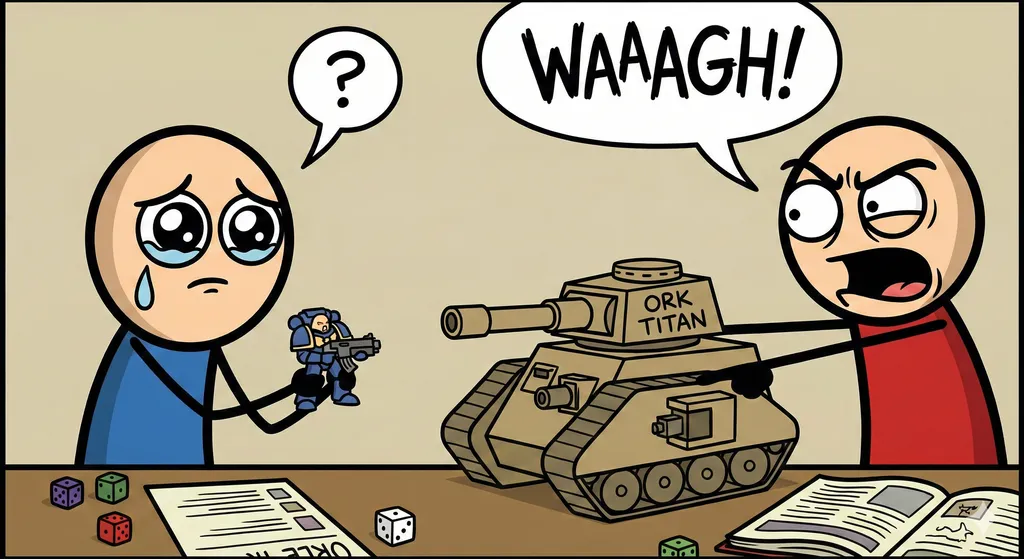
The Imperium’s long arm reached out again this week, and its grasp fell squarely on PropaneProd, a prominent 3D printing creator. Games Workshop’s latest enforcement action, as reported by Spikey Bits, didn't just target a single individual; it effectively dismantled an entire community built around their designs. This isn't merely news; it's a critical moment for every hobbyist, designer, and Game Master who values creativity and accessibility in our beloved tabletop spaces.
Let’s crunch the mechanics of this situation. When a company like Games Workshop issues a cease-and-desist or a DMCA takedown, it's a legal sledgehammer. For 3D printing creators, often operating on platforms like Patreon or through Discord servers, the immediate 'mechanic' is the removal of files, the closure of accounts, and the dissolution of their support structures. PropaneProd’s case is particularly stark because it wasn't just about selling files; it was about fostering a vibrant community around alternative models. The 'crunch' here is the chilling effect: other creators, witnessing such a decisive blow, must reconsider their own risk assessment. Are they creating 'proxies' that fill a niche, or are they inadvertently stepping into the direct infringement territory? GW's stance, historically, has been that if it looks like their IP, walks like their IP, and is intended to be used *as* their IP, it's infringement. This isn't about the quality of the print or the ingenuity of the design; it's about the perceived market impact and the protection of their brand. The mechanical interaction is clear: corporate legal teams versus individual creators, with the platforms often siding with the larger entity to avoid liability.
The lore of this conflict runs deep, interwoven with the very fabric of tabletop gaming. For decades, the wargaming community has thrived on modification. From kitbashing to custom conversions, 'my guys' have always been a badge of honor. Third-party bits manufacturers have existed for ages, filling gaps and offering alternatives, often in styles that complement or enhance official ranges. This tradition of fan-driven content creation is part of the hobby's soul. However, the advent of affordable 3D printing has shifted the paradigm. It democratizes production, allowing anyone with a printer and some design skill to become a 'manufacturer.' This is where the 'fluff' of community spirit clashes with the cold, hard 'lore' of intellectual property law. GW, like any company, has a right to protect its IP. But the community sees a different narrative: one of a corporate behemoth stifling grassroots innovation and alienating a passionate fanbase. The historical context shows a delicate balance that 3D printing has thoroughly disrupted, forcing companies to draw harder lines than ever before.
So, what's the verdict for the table? This enforcement action, while legally justifiable from GW's perspective, casts a long shadow over the creative landscape of the hobby. For players, it means fewer accessible, affordable, and often unique alternatives for their armies. It can stifle the burgeoning scene of 'counts-as' models that allow players to engage with the game without breaking the bank. For Game Masters, especially those running narrative campaigns, it limits the pool of unique miniatures and terrain pieces that add flavor and immersion to their worlds. While it might protect GW's immediate sales, it risks alienating the very community that fuels its long-term success. The 'table feel' becomes one of apprehension; players may be less inclined to share their 3D printed creations openly, pushing innovation further into the shadows. This is a net loss for the collaborative spirit that defines much of our hobby, even if it's a legal victory for the publisher. The best outcome for everyone would be a clear, consistent, and perhaps even licensing-based approach that acknowledges the value of fan-created content while protecting core IP. Until then, the community will continue to navigate these murky waters with caution, often looking to alternatives like high-quality resin printers for their hobby needs.
Top Pick: The Art of Miniatures: A Guide to Painting and Customization
For exploring creative avenues within official and third-party models.
Check Price on Amazon →Related Stories
Global Warhammer Rankings: A New Era for Competitive Play
Games Workshop's Global Warhammer Rankings redefines competitive play, integrating five systems through Best Coast Pairings. This analysis delves into its mecha
GW's 11th Ed Roadmap: A Strategic Shift for 40k
Games Workshop unveils a comprehensive roadmap for Warhammer 40,000's 11th Edition, alongside crucial Necromunda pricing updates and the highly anticipated Asta
GW's Revenue Riddle: Record Sales, Stumbling Strategy for 40k?
Games Workshop reports record revenue for Warhammer 40,000, yet licensing and bonuses falter. What does this financial paradox mean for the future of the grimda