
The Organized Table: Optimizing Your TTRPG Command Center
A well-managed game space is more than just tidy; it's a critical component of a seamless tabletop experience. We break down the 'mechanics' of spatial optimization and its impact on your game.
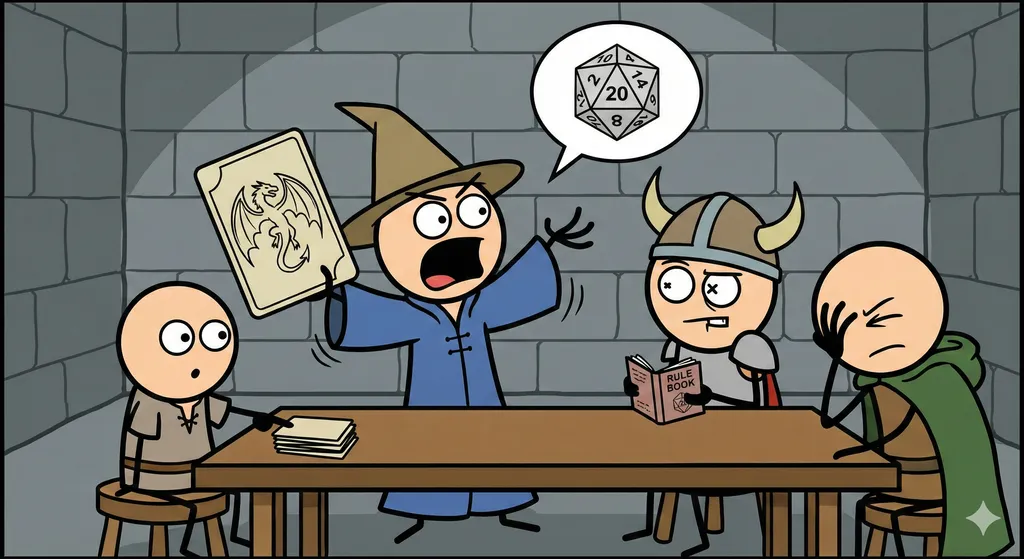
The recent discussion sparked by 'Organising Your Game Space' on Board Game Quest, while broadly applicable, resonates with a particular, often overlooked, segment of our hobby: the dedicated TTRPG table. This isn't just about keeping your dice tray tidy; it's about the very architecture of immersion, the physical framework that supports every critical hit and narrative beat. As veteran GMs, we know the chaos of a cluttered table can be as detrimental to pacing and player engagement as a poorly planned encounter. It's time we treat our physical play space with the same strategic rigor we apply to our campaign planning.
Let's talk brass tacks: the 'mechanics' of your play space. A TTRPG table isn't just a flat surface; it's a dynamic combat grid, a sprawling world map, and a repository for player agency. The crunch of spatial management dictates flow. Consider the 'action economy' of your physical setup: how many movements or reaches does it take for a player to consult their character sheet, grab a specific die, or mark damage? A well-organized table minimizes these 'opportunity costs' – the precious seconds lost to fumbling that break immersion. This isn't just about tidiness; it's about strategic placement. Your GM screen isn't just a barrier; it's a command console, a vital piece of TTRPG Storage Solutions that should integrate initiative trackers, condition markers, and frequently referenced rulesets within arm's reach. For players, character sheets, spell cards, and dice towers constitute their personal HUD. Are they readily accessible without disrupting the shared play area? We're talking about dedicated zones: the 'player hand' zone for notes and snacks, the 'resource' zone for dice and tokens, and the 'battlefield' zone for miniatures or battle-mats. Think about magnetic strips for condition markers, tiered trays for monster tokens, or even custom-built dice vaults that integrate seamlessly into the table itself. The goal is to make the physical interaction with game components as fluid as the narrative itself. Even the placement of a laptop for VTT integration or music playback needs to be considered – accessible but not intrusive, a window into the digital layer of your world, not a glaring distraction.
Beyond the crunch, there's the fluff: the lore of the gaming table itself. For generations, the tabletop has been our portal to other worlds. From the cramped kitchen tables of early D&D sessions to the elaborate, purpose-built gaming rooms of today, this space is sacred. It's where heroes are forged, empires fall, and legends are whispered into being. A chaotic table, strewn with snack wrappers, extraneous rulebooks, and unrelated detritus, shatters immersion. It pulls players out of the narrative, reminding them of the mundane world. Conversely, a thoughtfully arranged space becomes an extension of the game world. Custom terrain pieces, carefully curated miniatures, even thematic lighting – these are not just props, but environmental storytelling. The ritual of setting up a clean, organized table before a session, and the communal tidying afterwards, reinforces the shared experience and the respect for the narrative space we collectively inhabit. It’s the difference between a hastily scribbled map on a napkin and a meticulously crafted battle-mat, each element serving the story, not distracting from it. This 'lore' of the table isn't just aesthetic; it's psychological, building anticipation and reinforcing the shared dream-state of a good RPG. When your space reflects the care and dedication you pour into your campaign, it elevates the entire experience, making the transition from reality to fantasy seamless.
So, what's the verdict on the table feel? Unambiguously, a well-organized game space is a force multiplier for enjoyment. It's not about being obsessive; it's about minimizing friction and maximizing engagement. When players aren't fumbling for dice or asking 'where's my character sheet again?', their cognitive load is freed up for role-playing, tactical decisions, and genuine immersion. For the Game Master, a streamlined setup means less time flipping through rulebooks and more time improvising, reacting, and weaving narrative. It improves pacing, reduces awkward silences, and keeps the energy high. This isn't just about efficiency; it's about respect for everyone's time and investment in the shared narrative. Whether you're running a gritty OSR dungeon crawl, a high-magic 5th Edition campaign, or a narrative-driven Indie TTRPG, the physical environment profoundly shapes the mental landscape of play. A well-ordered space allows the game itself – the mechanics, the lore, the player interaction – to truly shine, unburdened by the mundane chaos of reality. It lets us focus on the dragons, the conspiracies, and the desperate last stands, rather than the frustrating search for a d20. Ultimately, a clean table is a clear mind, and a clear mind is ready for adventure.
Top Pick: The Crit Sheet's GM Screen with Integrated Initiative Tracker
Essential for streamlined GMing
Check Price on Amazon →Related Stories
D&D's New Reference Cards: A Tactical Edge for the Tabletop
Dungeons & Dragons has announced a new line of physical reference cards covering spells, magic items, and monsters. This release promises to streamline gameplay
The Hunt: Confronting History at the Table
Board Game Quest's review of 'The Hunt' sparks a crucial discussion on how TTRPGs and wargames engage with difficult historical narratives. We dissect the desig
Ancestry Reforged: Grimstone Chronicles' Bold New System
Black Iron Games' Grimstone Chronicles introduces a revolutionary Heritage & Calling system, decoupling biology from culture for deeper character generation. Th