
The Perfect Score: Mastering Blades in the Dark's Final Act
Discover the profound impact of a planned campaign finale in Blades in the Dark. We analyze how proactive conclusions elevate player satisfaction and group longevity.
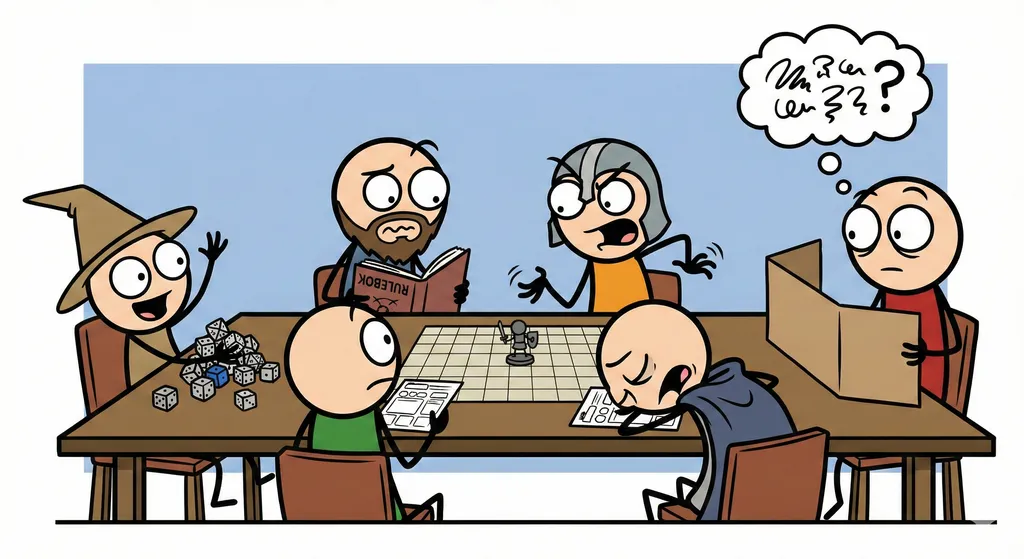
The flickering gaslights of Doskvol cast long shadows, but none so long as the one signaling the end of a grand score. A recent discussion from Gnome Stew about proactively concluding a Blades in the Dark campaign, published by Evil Hat Productions, isn't just a casual chat; it’s a masterclass in game mastering. For GMs who’ve seen countless sagas peter out, this approach offers a potent antidote, transforming a potential whimper into a resounding bang.
At its core, Blades in the Dark is a game of criminal enterprise, daring scores, and inevitable consequences. It’s a system where every action, every desperate plea for a Devil’s Bargain, every point of stress, and every accrued trauma pushes the crew towards a narrative crescendo. Unlike many traditional fantasy RPGs that often assume an endless progression of power and adventure, Blades in the Dark inherently builds towards a finite story. The very mechanics of the game — especially the ‘Legacy’ system and options for ‘Retirement’ — are designed to resolve character arcs. Players are literally presented with ways to conclude their character’s story, whether it’s rising to the pinnacle of power, dying in a blaze of glory, or settling down to a quiet (and likely illegal) life. Setting an explicit end date for a campaign isn't just good table management; it becomes a meta-game mechanic itself. It’s a ‘campaign clock’ ticking down, forcing difficult choices, accelerating narrative stakes, and giving every session a heightened sense of urgency. This isn't about rushing; it’s about focus. Knowing the finish line is in sight encourages players to push their characters harder, take bigger risks, and truly invest in their final acts. The genius lies in making this decision a *group* consensus, granting players agency not just within the narrative, but over its very duration. This collaborative approach ensures buy-in and shared ownership of the campaign's ultimate direction.
The thematic lore of Blades in the Dark strongly supports this finite narrative structure. Doskvol is a city of grinding industry, spectral threats, and cutthroat factions where survival is a daily struggle, and ascension is often fleeting. A crew's story within this setting is rarely one of endless, unchallenged dominance. Instead, it's a tale of ambition, desperation, and the struggle against overwhelming odds. The game's setting and tone are less about epic heroes saving the world and more about a contained, visceral story of a specific group of scoundrels trying to make their mark before the inevitable catches up to them. Think of it less as a never-ending comic book series and more as a prestige television drama with a defined number of seasons. The lore of the city itself, with its ancient pacts, powerful spirits, and ever-present danger, implies that no single crew can truly 'win' Doskvol; they can only carve out their piece of it for a time. A planned ending allows the crew's legacy to be cemented, their story to achieve a satisfying arc, rather than fading into obscurity or collapsing from exhaustion. It respects the inherent fragility and high-stakes nature of life in the haunted city, allowing the GM and players to craft a complete, impactful saga that resonates long after the final dice roll.
Is this good for the game? Absolutely. For GMs, a defined endpoint combats burnout, allowing for a focused burst of creative energy rather than an endless grind. For players, it provides unparalleled narrative satisfaction. There’s nothing quite like the feeling of bringing a character’s arc to a meaningful conclusion, seeing their ambitions realized (or spectacularly fail), and knowing that every choice contributed to that final outcome. It means no fizzling out, no campaigns left to die a slow, ignominious death in a group chat, but a deliberate, celebratory conclusion. This approach fosters a healthier, more engaged gaming group, promoting clear communication and shared storytelling goals. It transforms the act of playing into the act of crafting a complete work of art, with a beginning, a middle, and a truly memorable end. For anyone running games using the Forged in the Dark system or similar narrative-forward frameworks, this isn't just a suggestion; it's a vital tool for enriching your table experience.
Top Pick: Blades in the Dark Core Rulebook
Essential for any GM looking to run a high-stakes, narrative-driven campaign with a satisfying conclusion.
Check Price on Amazon →Related Stories
Campaign Pitches: The Unsung Art of the GM
Gnome Stew's 'Pitching Campaigns' offers a masterclass in engaging players from session zero. We dissect the crucial mechanics and lore behind a truly effective
Glyphbound's Shifting Labyrinth: A Dungeon Crawl Reinvented
Labyrinthine Press unveils Glyphbound: Labyrinth of Echoes, introducing a unique species and a groundbreaking rotating dungeon mechanic. This innovative system
Beastkin Bonds: Ironclad Forges Deeper TTRPG Companionship
Ironclad Games' new Beastkin Bonds supplement for Aethelgard Chronicles promises a robust, tactical companion system. We break down the innovative mechanics and