The Sweet Mechanics of Play: State Fair's Game On! Bakes
The Minnesota State Fair's 'Game On!' cake contest reveals the surprising intersection of culinary art and tabletop design. We dissect how bakers translated complex game mechanics and rich lore into edible masterpieces, offering a unique lens on our hobby.
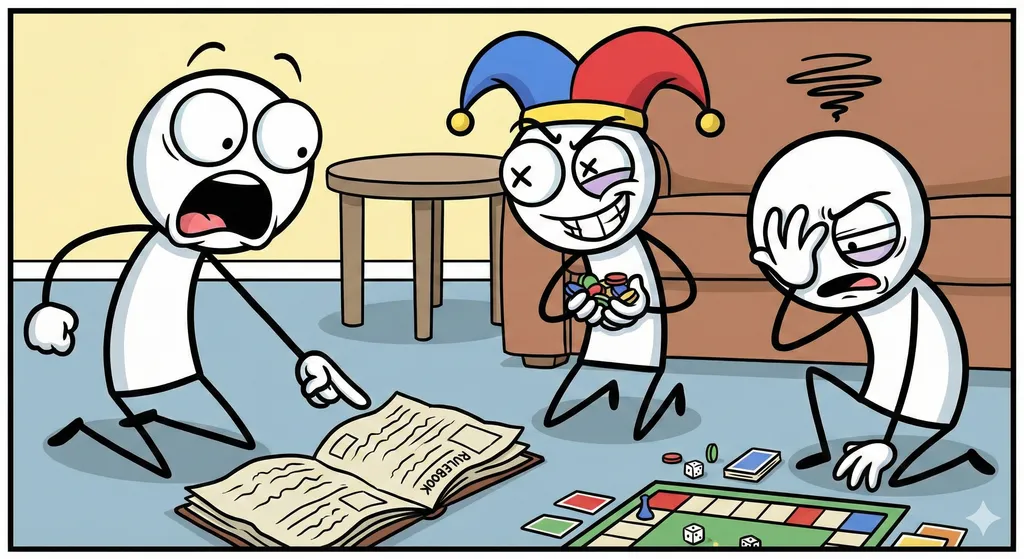
The Minnesota State Fair, that grand annual celebration of agriculture and ingenuity, recently served up a truly unexpected feast for tabletop enthusiasts: the 'Game On!' cake decorating competition. This isn't just about sugar and fondant; it's a fascinating, delicious deep-dive into how our beloved games transcend the table, manifesting as edible art. The sheer creativity on display, transforming the intricate worlds of Monopoly, The Game of Life, and Scrabble into confectionery marvels, provides a unique lens through which to examine the very essence of game design.
What does it mean to translate the 'mechanics' of a game into a cake? It's more than just aesthetics. Consider the fundamental challenge: how do you represent player progression, resource management, or even combat resolution when your medium is sponge and frosting? The bakers, in essence, became game designers themselves, albeit with different constraints. The 'crunch' here wasn't about dice rolls, but about structural integrity – ensuring a towering 'Monopoly' board didn't collapse under its own sugary weight. It was about component fidelity: accurately rendering miniature houses, hotels, or game pawns with edible materials, maintaining scale and recognizability. The strategic placement of these elements, guiding the eye across the cake, mirrors the flow of a well-designed game board, leading players through its narrative. Some designs even hinted at rulesets, depicting the winding paths of 'The Game of Life' or the letter tile arrangements of 'Scrabble', making the gameplay loop visually apparent. This translation demands a keen understanding of the original game's visual language and the innovative application of baking techniques, turning edible dyes into vibrant map colors and sculpted sugar into iconic miniatures. It’s a masterclass in adapting core design principles to an entirely new, delicious medium.
Beyond the structural engineering and artistic rendering, these cakes were brimming with 'fluff' – the rich, often unwritten lore of our gaming culture. Each 'Game On!' entry wasn't merely a static representation; it was a snapshot of a shared experience, a moment in the collective narrative of play. A 'Monopoly' cake, for instance, evokes countless family arguments over Park Place and Boardwalk, the thrill of bankruptcy, or the quiet satisfaction of collecting rent. A 'Scrabble' cake speaks to the joy of wordplay, the communal challenge of language. These aren't just sugary models; they are artifacts of memory, imbued with the emotional resonance of countless game nights. The Minnesota State Fair, itself a repository of tradition and community, became a temporary museum for these edible narratives, celebrating the stories we tell through our games. It underscores how deeply embedded tabletop gaming has become in the broader cultural landscape, recognized not just as a niche hobby but as a source of shared heritage and creative expression. This 'lore' is less about dragons and dungeons, and more about the human experience around the table, a testament to the enduring power of play.
So, what does a cake decorating contest mean for the actual game table? Plenty. For GMs, it’s a powerful reminder of how visual representation can elevate an experience. The ingenuity in these edible designs offers genuine inspiration for crafting compelling terrain, bespoke props, or even unique monster miniatures for your next TTRPG session. Imagine a custom-baked prop for a feast in your D&D campaign, or a meticulously crafted edible 'map' for a one-shot adventure. For players, it’s a validation of our passion, a public acknowledgement that the worlds we explore and the challenges we overcome at the table are worthy of artistic celebration. It highlights the universality of good design, demonstrating that principles like clarity, engagement, and thematic consistency translate across mediums, from a carefully balanced rulebook to a perfectly sculpted sugar dragon. The 'Game On!' contest reaffirms that the spirit of play, of creation, and of shared experience is vibrant and ever-present, crossing boundaries many wouldn't expect. It invites us all to look at our games, and indeed the world around us, with a fresh, more imaginative eye, seeking out the extraordinary in the everyday. The level of detail and passion shown by these bakers should inspire every aspiring designer and dedicated player to push the boundaries of their own craft. Understanding game design principles becomes not just about digital or cardboard, but about any creative endeavor.
Related Stories
Skullcrusher: Grimdark Delves - Perilous Paths to OSR Mastery
Ironclad Games' Skullcrusher: Grimdark Delves promises a brutal, tactical return to old-school dungeon crawling. Its unique Peril System forces players to weigh
Aetherial Conduits: Echoes & The Resonance Engine
Obsidian Gate Studios' 'Aetherial Conduits: Echoes of the Sundered Realm' introduces the innovative Resonance mechanic. We break down how this system shifts mag
Dragon Kings: A Harsh New Dawn for 5th Edition
The original architects of Dark Sun bring their brutal vision to 5th Edition with Dragon Kings. This deep dive examines how a world of psionics and scarcity res