
The Thoughtseize Paradox: Can 2026 Standard Handle the Scalpel?
We analyze the potential return of Thoughtseize to Magic: The Gathering's Standard format following Hasbro's 2025 fiscal reports and power level shifts.
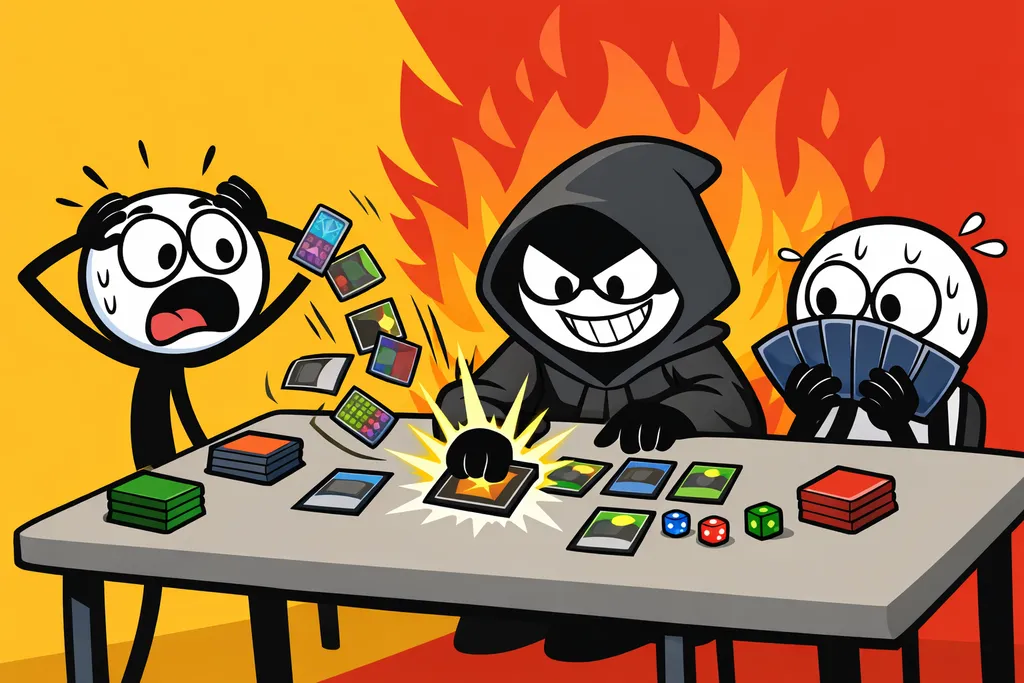
Hasbro’s 2025 financial disclosures for Magic: The Gathering have set the stage for a 2026 Standard environment that prioritizes high-impact reprints to stabilize a volatile secondary market. As the MTGGoldfish crew recently debated on Podcast 575, the conversation has shifted from if Wizards of the Coast will reprint the heavy hitters to whether the current game engine can actually survive them. At the center of this storm sits Thoughtseize, a card that has defined competitive play since its debut in Lorwyn and remains a polarizing benchmark for efficiency.
From a mechanical perspective, Thoughtseize is the ultimate surgical tool. For the cost of a single black mana and a negligible two life, a player gains perfect information of the opponent’s hand and removes the most significant threat before it ever hits the stack. In the context of 5th Edition design philosophies often seen in other TTRPGs, this is the equivalent of a first-level spell that can shut down a legendary action. In the current Standard rotation, we have seen variants like Duress or Deep-Cavern Bat attempt to fill this niche, but they lack the raw, unrestricted utility that makes Thoughtseize a four-copy auto-include in any deck running black. The crunch here is about the efficiency floor; when the answers are significantly cheaper and more versatile than the threats, the meta shifts from proactive 'big spell' strategies to reactive, grindy attrition battles.
Lore-wise, Thoughtseize represents the peak of black mana’s philosophical core: power at any cost and the violation of the mind. In the Lorwyn-Shadowmoor cycle, it depicted the fae literally plucking memories from a dreamer’s head. This flavor translates perfectly to the table feel. When you cast it, you aren't just playing a card; you are dismantling your opponent's plan. It’s a psychological blow that forces the other player to pivot their entire strategy on turn one. While some argue that this level of disruption is necessary to keep degenerate combo decks in check, others feel it stifles the creativity of the Commander Format and lower-tier Standard brews that require specific pieces to function.
Looking at the table feel, the return of such a potent tool in 2026 would be a double-edged sword. On one hand, it rewards high-level technical play and deep knowledge of the meta. You have to know exactly what to take to win. On the other hand, it can lead to non-games where a player is stripped of their only early-game play and never recovers. If Hasbro is looking to boost engagement through high-power reprints, they must be careful not to alienate the growing casual player base that prefers seeing their spells actually resolve. For those looking to protect their competitive collection, the financial implications are just as significant as the tactical ones.
The verdict for the veteran player is clear: Thoughtseize is a necessary evil for a healthy competitive ecosystem, but its reintroduction must be metered by equally strong recursive mechanics. Without a way to interact with the graveyard or punish early hand disruption, the 2026 Standard meta risks becoming a repetitive exercise in top-decking. We need interaction, but we also need the game to last longer than the first three turns. If Wizards of the Coast leans too hard into the 'nostalgia power' to satisfy shareholders, they might find that the only thing they've disrupted is the player base's patience.
Top Pick: Dragon Shield Matte Sleeves
Keeping your high-value disruption cards pristine during heavy tournament play.
Check Price on Amazon →Related Stories
The Snail's Stampede: Boros Aggro's New Token Titan
The latest reveal for Magic: The Gathering introduces Gigantic Elemental Snail, a hefty Boros creature poised to reshape token strategies. Paired with Regal Bun
Beyond the Bloom: Redefining Commander Value at $45
MTGGoldfish's latest collection of 45 Commander decks under $45 challenges the notion of budget play. This initiative highlights accessible entry points and cre
TMNT Crash the MTG Meta: Pizza Power or Corporate Play?
Wizards of the Coast's latest Universes Beyond drop features the Teenage Mutant Ninja Turtles, igniting 'decklist drama' and debate. We dissect the mechanics an