
The Unsleeved $30 Commander: A Return to EDH's Core
Exploring the surprisingly robust world of $30 unsleeved Commander decks, this deep dive dissects how extreme budget constraints foster innovative deckbuilding. We examine the mechanics, community lore, and profound table feel of this grassroots approach to Magic: The Gathering's most popular format.
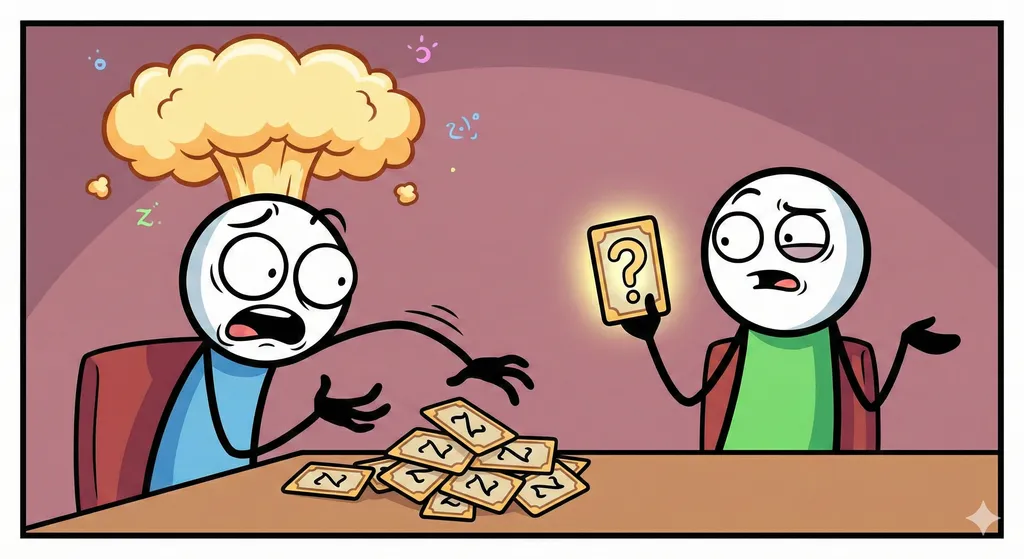
There's a whisper making the rounds, a subversive notion that cuts through the noise of premium foils and ever-escalating secondary market prices: the $30 unsleeved Commander deck. This isn't just a challenge or a quirky experiment from content creators like MTGGoldfish; it's a potent statement about the soul of Magic: The Gathering's most beloved format, and it demands our veteran attention.
At first glance, the concept of a sub-$30, unsleeved Commander deck seems antithetical to the modern EDH experience. Sleeves are practically a given, protecting investments that can range from a week's groceries to a used car. Yet, the *mechanics* of building and piloting such a deck reveal a profound mastery of the game's fundamentals, a true test of a player's understanding beyond raw card power. What does it mean to construct a 100-card singleton deck with such stringent financial constraints? It means ruthless efficiency. Every common and uncommon must pull triple duty. Your mana base consists primarily of basic lands, perhaps a handful of common tap lands or gain lands. Ramp becomes crucial, relying on artifacts like Sol Ring (if you can find a cheap copy) or mana dorks like Llanowar Elves, but more often, it's about efficient mana curves and land drops. Card advantage isn't found in a Rhystic Study, but in synergistic engines like Midnight Reaper or in cantrips that replace themselves while offering a minor effect. Removal is surgical, often relying on targeted common spells like Disfigure or Naturalize, demanding precise timing and threat assessment. This isn't about assembling the most powerful combo; it's about optimizing the interactions between cards that, individually, might be overlooked. It forces players to understand the *flow* of a game, how to leverage incremental advantages, and how to build resilient, albeit less explosive, game plans. It’s an exercise in creative problem-solving that elevates deck construction to an art form, proving that ingenuity can often outmaneuver brute force and deep pockets. Finding a good budget Commander becomes a quest, not just a purchase.
Beyond the crunch, the *lore* of the unsleeved, ultra-budget Commander deck speaks volumes about the format's origins and its enduring appeal. Commander, or Elder Dragon Highlander (EDH) as it was originally known, was born from kitchen table innovation. It was about playing with the cards you had, exploring quirky interactions, and fostering a social, less competitive atmosphere. The $30 unsleeved deck is a direct callback to that ethos. It strips away the veneer of competitive optimization and collectibility, revealing the raw, unadulterated joy of playing Magic. The act of shuffling unsleeved cards, feeling the wear and tear, is a tactile connection to the game itself – a reminder that these are tools for play, not just commodities. It champions accessibility, inviting new players who might be intimidated by the financial barrier to entry, and offering veterans a refreshing return to simpler times. It reinforces the unspoken social contract of Commander: that the game is about shared experience, not just individual victory. In a world where premium products and Universes Beyond collaborations dominate the headlines, the budget deck is a quiet, powerful testament to the game's grassroots community.
So, what's the *verdict* for the table feel? Is this good for the game? Unequivocally, yes. The $30 unsleeved Commander deck is a vital antidote to the format's occasional drift towards an arms race of power and price. It democratizes Commander, making it genuinely accessible to anyone with a spare few dollars and a desire to play. It encourages a different kind of meta, one where clever synergies and thoughtful piloting are valued over sheer card value. It fosters a more forgiving and experimental play environment, where the stakes are lower, and the focus is squarely on fun and interaction. For new players, it's a perfect entry point, teaching fundamental deckbuilding skills without the pressure of significant investment. For established groups, it offers a fantastic way to shake up the regular power level, introduce new blood, or simply enjoy a different flavor of Magic. This approach reminds us that the best games aren't necessarily the most expensive, but the ones crafted with passion and played with friends.
Top Pick: Commander Precon Deck
Excellent value and a solid starting point for new players
Check Price on Amazon →Related Stories
Mystery Booster Commander: Vintage & Legacy's Long Wait
Wizards of the Coast has pushed the legality date for Mystery Booster Commander Edition cards in Vintage and Legacy formats to January 1, 2027. This unprecedent
The Phoenix's Plunge: BCDL Legacy Open 5's Meta Shake-Up
The BCDL Legacy Open 5 illuminated a shifting competitive landscape for Magic: The Gathering, where resilient strategies are redefining the format. This event s
Protection: Commander's Unyielding Shield Against the Meta
The recent Commander Clash discussion on Protection spells highlights a fundamental, often misunderstood, mechanic in Magic: The Gathering. We delve into why th