
UKGE Draws Line in the Sand: AI Content Banned
The UK Games Expo has implemented a sweeping ban on AI-generated content for exhibitors and awards, sparking industry-wide discussion. This policy reflects a growing concern for human authorship and creative integrity within the tabletop community.
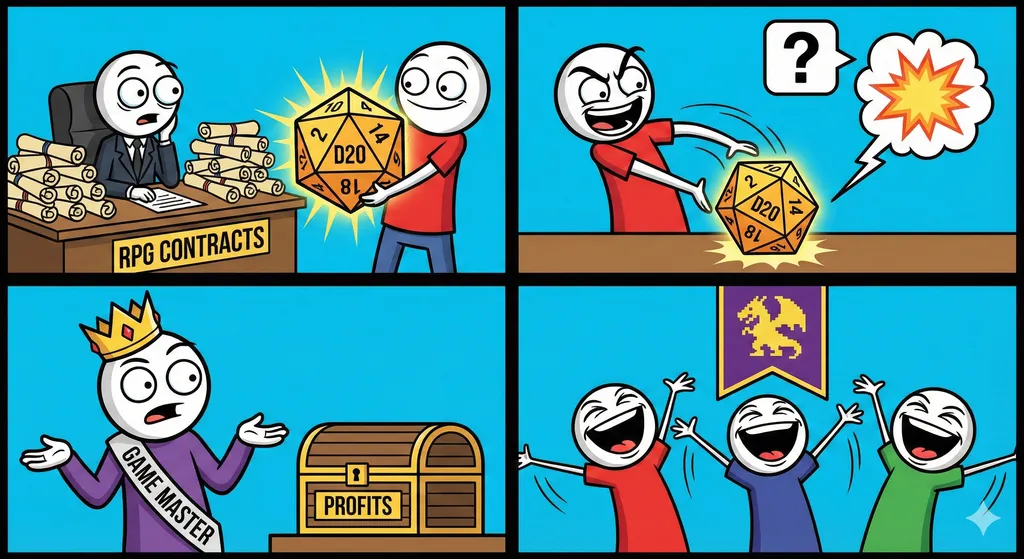
The UK Games Expo, a veritable titan in the European tabletop calendar, recently dropped a policy bombshell: a complete ban on AI-generated content from its exhibitor halls and award submissions. This isn't just a footnote in a podcast; it's a declarative statement from a major convention organizer, echoing a sentiment that has been simmering in the community for months. For us at The Crit Sheet, this isn't just 'news'; it's a vital discussion about the very soul of our hobby and how it impacts every game master, player, and designer at the table.
Let's cut to the crunch of it: What exactly does a 'ban on AI-generated content' mean in practice? The policy, as understood, aims to prevent material where the substantial creative contribution comes from an algorithmic process rather than human hands. This isn't about using AI as a minor tool for spell-checking or even initial brainstorming; it's about the final, presented product. Imagine a rulebook whose artwork is entirely synthesized by a prompt, or an adventure path where the prose and plot points are AI-written. UKGE is signaling that such products, regardless of their polish, will not be showcased or eligible for their awards. The 'mechanics' of this ban lie in its enforcement: exhibitors are expected to attest to the human origin of their work, and submissions will be scrutinized. This puts a significant onus on creators to demonstrate authenticity, and on the convention to define and identify what crosses that line. It's a complex, evolving frontier, but the intent is clear: uphold human authorship.
Now, for the 'fluff' – the lore and context surrounding this decision. TTRPGs, at their heart, are a profoundly human endeavor. They are born from imagination, empathy, collaboration, and the shared narrative experience. The lore of any setting, be it the grim darkness of Warhammer 40K or the vibrant planes of Magic: The Gathering, isn't just data; it's a reflection of human creativity, passion, and often, years of iterative design and community feedback. When we talk about worldbuilding, we're discussing the intricate tapestry woven by a designer's vision, often imbued with personal experiences, cultural references, and a deep understanding of narrative arcs. The fear is that AI-generated content, while potentially efficient, lacks this intrinsic human spark. It can mimic, it can extrapolate, but can it truly innovate with the same nuanced depth, the same unexpected emotional beats, or the same genuine understanding of what makes a story *resonate* at the table? This ban isn't just about protecting intellectual property; it's about safeguarding the very ethos of creation that defines our hobby. It's about valuing the unique, sometimes messy, often brilliant process of human imagination over mere algorithmic efficiency. Consider the countless hours GMs spend crafting bespoke adventures or designing homebrew settings; this policy implicitly champions that dedication.
So, what's the verdict for the table? Is this good for the game? In short, yes, I believe it is. While the implementation will undoubtedly face challenges and debates about the precise definition of 'AI-generated,' the underlying principle is critical for the health of our community. It sends a strong message: human creativity and authorship are paramount. For GMs, this means the products they invest in, whether an adventure module or a set of monster tokens, are more likely to be imbued with genuine passion and thoughtful design, rather than being churned out by an algorithm seeking to capitalize on trends. It reinforces the value of skilled artists, writers, and designers, ensuring that the 'table feel' remains authentic and inspired. As a veteran GM, I want to immerse my players in worlds crafted by fellow humans, with all the quirks, brilliance, and occasional flaws that come with it. It’s the difference between a meticulously hand-painted miniature and a mass-produced plastic sprue – both serve a purpose, but one carries the weight of a creator's touch. This policy, while perhaps imperfect, pushes back against the potential dilution of creative integrity in a rapidly evolving digital landscape. It champions the very spirit of imagination that draws us to the tabletop in the first place, ensuring that the magic we find there is truly our own.
The Lazy Dungeon Master's Workbook
Top Pick: The Monster of the Week RPG
For its elegant design that fosters collaborative storytelling and human-led narrative, a true testament to TTRPG craft.
Check Price on Amazon →Related Stories
Paizo's Price Hike: A Crit Sheet Deep Dive into Table Impact
Paizo's forthcoming price adjustments for Pathfinder and Starfinder demand a close look. We dissect the economic mechanics and narrative implications for Golari
The Indie Ascent: Forge Your Own RPG Legacy
EN World's 'RPG Evolution' isn't just a headline; it's a call to arms for creators, democratizing game design and publishing. This deep dive explores how launch
Necromunda RPG: GW's Bold Dive into the Underhive
Games Workshop is venturing into new territory, bringing the brutal world of Necromunda to the tabletop roleplaying game format. This move promises to immerse p