
WotC's Reality Fracture: A Rift in the Release Schedule
Wizards of the Coast's "Reality Fracture" product delays spark concern among players and retailers alike. This disruption impacts not just product availability but the intricate ecosystem of competitive play and the TCG market.
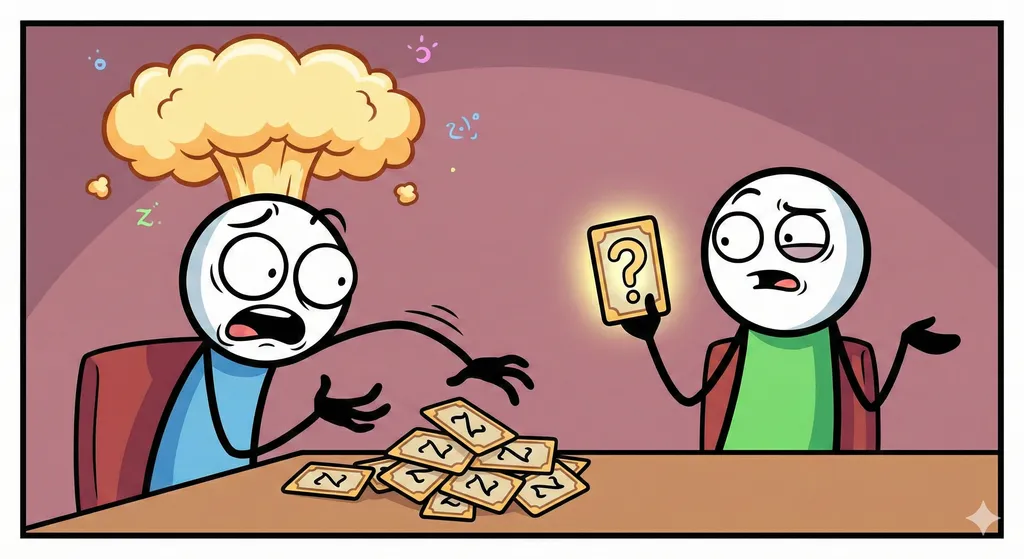
The news is out: Wizards of the Coast has announced production delays for its upcoming "Reality Fracture" products, a development first reported by Card Kingdom. While the specifics of the delay remain somewhat opaque beyond "select regions," the ripple effect is anything but. For a tabletop community that thrives on anticipation and timely releases, this isn't just a minor blip; it's a significant disruption to the finely tuned mechanics of the game and its economy.
Let’s talk crunch. The TCG world, particularly one as expansive and competitive as Magic: The Gathering, operates on a meticulously calibrated release cadence. New sets aren't just drops of cardboard; they are carefully timed infusions designed to refresh the meta, introduce new archetypes, and provide fresh tools for deckbuilders across formats, from Commander to Modern. When a product like "Reality Fracture" is delayed, the immediate mechanical impact is a stifling of innovation. Competitive players, who meticulously theorycraft and test new cards from spoiler season onward, find their strategies in limbo. Tournament preparation becomes a guessing game, and the expected meta shift is postponed, leaving players to contend with an older, potentially stale landscape longer than anticipated. This isn't just inconvenient; it's a direct impediment to the organic evolution of play that new sets are meant to facilitate.
Beyond the competitive circuit, the secondary market's mechanics are thrown into disarray. Pre-orders, often placed months in advance, become a logistical nightmare for retailers and a source of frustration for players. Card Kingdom's statement, noting that multi-item orders ship only when *all* items are available, means that players could see their entire cart held hostage by a single delayed product. This policy, while understandable from a shipping efficiency standpoint, can severely impact a player's ability to acquire cards for immediate use or to capitalize on early market prices. It’s a systemic fracture in the delicate supply-and-demand equilibrium that defines the TCG singles market, leading to potential price volatility and diminished confidence in future pre-order cycles. Maintaining `a robust deck box` for your existing collection is one thing, but acquiring new staples becomes a waiting game.
From a lore perspective, the very name "Reality Fracture" evokes a grand, multiversal calamity, perhaps a new take on planar instability or a journey through fractured timelines. Given recent developments in Magic's narrative—the Phyrexian invasion, the Omenpaths, the evolving nature of the multiverse itself—a set bearing such a title promised significant thematic resonance and potentially groundbreaking story beats. A delay in its release isn't just a delay of cardboard; it's a delay in the unfolding narrative, a pause in the collective journey players take through the multiverse. This kind of interruption can dampen the enthusiasm that fuels engagement, making it harder for players to immerse themselves fully in the rich tapestry of Magic's lore.
So, what's the verdict for the table? In short, it's not good. While delays are sometimes unavoidable in complex global supply chains, their frequency and the lack of transparent communication from Wizards of the Coast erode player trust and complicate life for local game stores (LGSs). These stores rely on consistent product flow for their revenue, their events, and their ability to serve as community hubs. A delayed product means delayed revenue, frustrated customers, and the difficult task of rescheduling release events. The enthusiasm that should accompany a new set's launch is instead replaced by uncertainty and disappointment. Ultimately, while the cards will eventually arrive, the initial magic of discovery, the immediate impact on the meta, and the seamless unfolding of the story are all diminished. It’s a reminder that the health of our games depends not just on brilliant design, but on flawless execution from concept to table.
Top Pick: Your Local Game Store
Supporting the community backbone against logistical challenges
Check Price on Amazon →Related Stories
Chaos Cup: Drafting Through Magic's Primal History
Star City Games' Chaos Cup pits players against Magic: The Gathering's most venerable booster packs in a high-stakes draft. The unique "winner-take-all" prize s
Reality Fracture: When Supply Chains Tear the Fabric of Play
The highly anticipated Magic: The Gathering set, Reality Fracture, faces significant regional launch delays, impacting player access and the global meta's organ
Secret Lair's 'Zeta' Fumble: A Crit Sheet Post-Mortem
Magic: The Gathering's recent 'Zeta Set' Secret Lair sale was a self-admitted disaster, exposing critical flaws in Wizards of the Coast's direct-to-consumer str