WotC & the Union: What This Means for D&D & MTG's Future
Wizards of the Coast's decision to not voluntarily recognize a union for D&D and MTG workers forces a formal vote. This move has significant implications for the creative process and the long-term health of our beloved games.
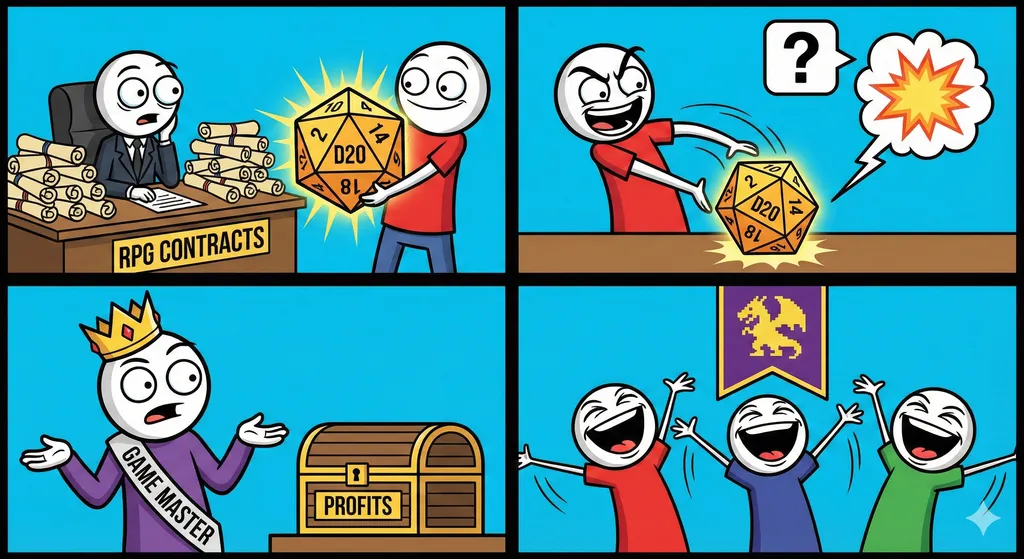
The news from Wizards of the Coast regarding its rejection of voluntary recognition for the unionization efforts of Dungeons & Dragons and Magic: The Gathering workers isn't just a headline; it's a critical juncture that demands our attention as players, GMs, and stewards of the hobby. This isn't merely corporate maneuvering; it's a decision with tangible repercussions for the design, development, and delivery of the games we cherish.
At its core, WotC's refusal to voluntarily recognize the union means the process moves to a formal election overseen by the National Labor Relations Board. This isn't a simple 'yes' or 'no' on a ballot; it's a protracted exercise, often fraught with publisher-led campaigns that can subtly, or overtly, discourage union membership. For us at the table, this translates to potential instability behind the scenes, impacting the very *mechanics* of game creation. The creative architects of your next D&D adventure path or the nuanced systems of your favorite Commander deck are operating under a cloud of uncertainty. The 'crunch' of game development – the meticulous balancing of systems, the iterative design loops, the endless playtesting to ensure a balanced, engaging experience – all require a stable, supported environment. A workforce engaged in a battle for recognition is a workforce distracted, potentially stifled, and under immense pressure. This isn't about throwing shade; it's about understanding the practical implications of organizational friction on the delicate art of game design. When designers are worried about their livelihoods, their focus naturally shifts from crafting the perfect spell list or creature stat block to more immediate concerns, which can, and often does, manifest in the final product's polish and depth.
The 'lore' of Wizards of the Coast is intertwined with the very fabric of modern tabletop gaming. From the early days of Magic as a revolutionary TCG to D&D's resurgence with 5th Edition, WotC has been a titan. But even titans have their sagas, often complex and occasionally controversial. We've seen shifts in ownership, ambitious product cycles, and the constant tension between creative vision and corporate targets. The community, *we*, are the lifeblood that fuels this engine. We've championed these games, built entire sub-cultures around them, and through our engagement, elevated them far beyond mere products. When we talk about D&D, we're not just talking about rulebooks; we're talking about shared stories, emergent narratives, and the very act of collective imagination. The health of the creators directly impacts the integrity of that lore, the depth of the worldbuilding, and the innovative spark that keeps us coming back. Any decision that impacts the well-being of the folks crafting these worlds becomes a part of their ongoing story, and by extension, ours.
So, what does this mean for the actual table? For the DM meticulously crafting their next campaign, perhaps diving into the intricacies of a new Planescape setting, or the Planeswalker theorycrafting their meta-breaking Modern deck? A stable, valued design team is unequivocally more likely to produce innovative, well-tested, and passionately crafted content. Conversely, a workforce feeling undervalued or embattled might see morale dip, potentially leading to burnout, slower development cycles, or a less inspired output. We’ve seen the impact of rushed products and design missteps before – think of certain D&D 4th Edition splat books or some MTG sets that missed the mark on power level or flavor. These moments erode player trust and diminish the magic of the game. This isn't about taking a side in a labor dispute as much as it is about advocating for the sustained excellence of the games we love. The quality of our tabletop experiences, from the tactical crunch of 5th Edition combat to the strategic depth of the Commander Format, is directly linked to the environment in which these games are created. A healthy creative ecosystem translates to a healthier hobby, richer lore, and more engaging mechanics for everyone. Our investment, both emotional and financial, in these games demands a publisher committed not just to profit, but to the long-term well-being of the creative minds who bring these worlds to life. This decision, then, is a roll of the dice for the future quality of D&D and Magic: The Gathering, and we're all watching the outcome with bated breath.
Top Pick: Tasha's Cauldron of Everything
Excellent options for player and GM customization
Check Price on Amazon →Related Stories
D&D Unionization: Labor, Lore, and the Table's Future
The unionization efforts at Wizards of the Coast mark a pivotal moment for Dungeons & Dragons, driven by concerns over AI, IP rights, and working conditions. We
Unionizing Wizards: D&D, MTG Workers Seek Collective Voice
Teams behind Dungeons & Dragons and Tabletop Magic: The Gathering are reportedly moving to unionize, following the precedent set by MTG Arena workers. This deve
Competitive MTG: Regional Championships & The Health of the Game
Star City Games will host a Magic: The Gathering Regional Championship at SCG CON Los Angeles, a pivotal event in the game's competitive circuit. This announcem