
Beyond the Dice: Defining the Truly Great TTRPG Player
The recent Gnomecast 241 sparked vital discussion on player quality. We dissect what makes a player truly indispensable to a thriving TTRPG table.
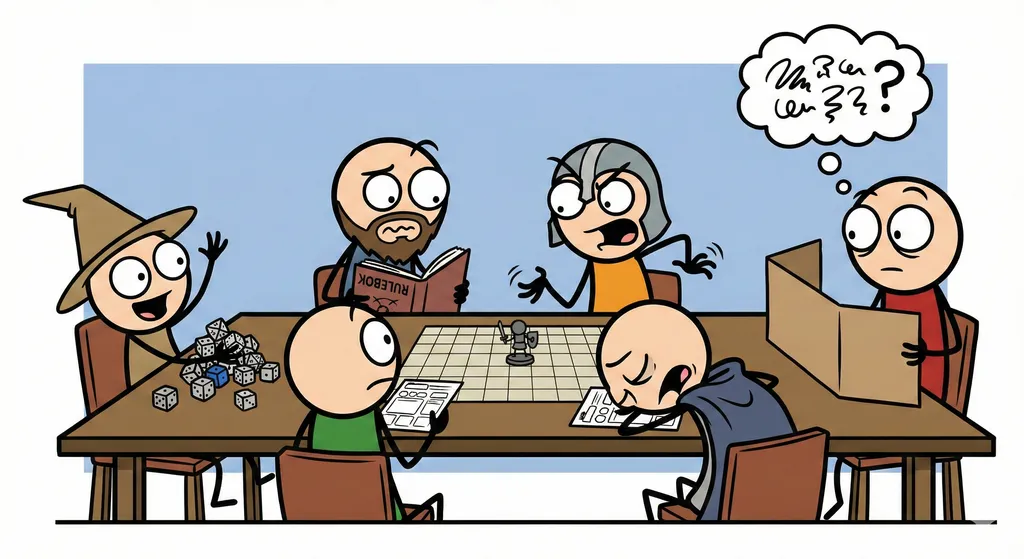
The recent discussion on Gnomecast 241 from Gnome Stew, titled ‘Seeking Good Players,’ ignited a crucial conversation often overlooked in our relentless pursuit of the next shiny system: what truly defines an indispensable player at the TTRPG table? As veteran Game Masters, we often focus on our own craft, our worldbuilding, our encounter design. But a game, ultimately, is a shared endeavor. The quality of our players is not merely a preference; it’s the bedrock upon which truly memorable campaigns are built.
Let’s cut through the superficialities and delve into the crunch. A ‘good player’ isn't simply someone who shows up on time or brings snacks, though those are certainly appreciated. Mechanically, a great player understands the social contract of the system. They grasp the core loop of their chosen game, be it the tactical positioning of a 5th Edition encounter or the narrative give-and-take of a Powered by the Apocalypse game like Masks: A New Generation Second Edition. This doesn't mean memorizing every feat or spell, but rather demonstrating a willingness to learn, to engage with the rules as a framework for collaborative storytelling, not a weapon for personal gain. They know when to roll, when to narrate, and critically, when to cede the spotlight. They engage with their character’s abilities proactively, seeking creative applications rather than waiting to be prompted. A player who actively seeks to understand the GM’s rulings, even when they don’t favor their character, and then adapts their strategy, is a treasure. This mechanical fluency, coupled with a collaborative spirit, smooths the flow of play, reduces friction, and allows the game’s core systems to truly sing.
From a lore perspective, the impact of a good player is profound. They don't just occupy a character sheet; they embody a character. This means understanding their character's motivations, their place within the world, and actively seeking to engage with the setting. They ask insightful questions, not just about the immediate plot hook, but about the history, the factions, the unseen forces at play. They weave their character's backstory into the ongoing narrative, providing the GM with hooks and opportunities for rich, personal storytelling. They respect the established lore, contributing to it through their actions and roleplay, rather than attempting to rewrite it for convenience. This deep engagement transforms the game world from a backdrop into a living, breathing entity, where every decision carries weight and every interaction feels meaningful. It's the difference between a puppet show and a truly immersive theatrical experience.
The verdict on the table feel is unequivocal: good players elevate the entire experience. They are the co-creators who make the GM’s job not just easier, but infinitely more rewarding. When players are invested, collaborative, and mechanically astute, sessions become fluid, dynamic, and genuinely exciting. There’s less need for hand-holding, less meta-gaming, and far more genuine immersion. This fosters a positive group dynamic, where trust and mutual respect thrive. For a Game Master, this reduces burnout and fuels creativity, transforming what can sometimes feel like a solitary burden into a joyous, shared journey. It’s the difference between merely running a game and truly facilitating an epic, unfolding saga.
Top Pick: Masks: A New Generation Second Edition
Its focus on collaborative storytelling and character-driven drama naturally cultivates many of the 'good player' qualities discussed, making it an excellent system for fostering a truly engaged table.
Check Price on Amazon →Related Stories
Sundered Veil: Tactical TTRPG Redefines Tabletop Combat
Grim Forge Games launches Chronicles of the Sundered Veil, a tactical TTRPG blending dynamic environmental manipulation with a grimdark narrative. This deep div
Beyond the Atlas: Crafting Worlds One Encounter at a Time
Forget front-loaded encyclopedias; a recent insight from Campaign Mastery advocates building your TTRPG world dynamically within each encounter. This method not
Eldritch Wilds: Stargazer's Grimdark Innovation
Stargazer Games launches Chronicles of the Eldritch Wilds on Kickstarter, promising a grimdark TTRPG experience. This new system introduces unique corruption me