
Connive's Cunning: MTG's Villainous Mechanic Masterpiece
The Connive mechanic, introduced in Magic: The Gathering, stands as a testament to elegant design, perfectly embodying villainous scheming and strategic depth. It offers a compelling blend of card filtering, graveyard interaction, and creature empowerment, making every trigger a meaningful decision.
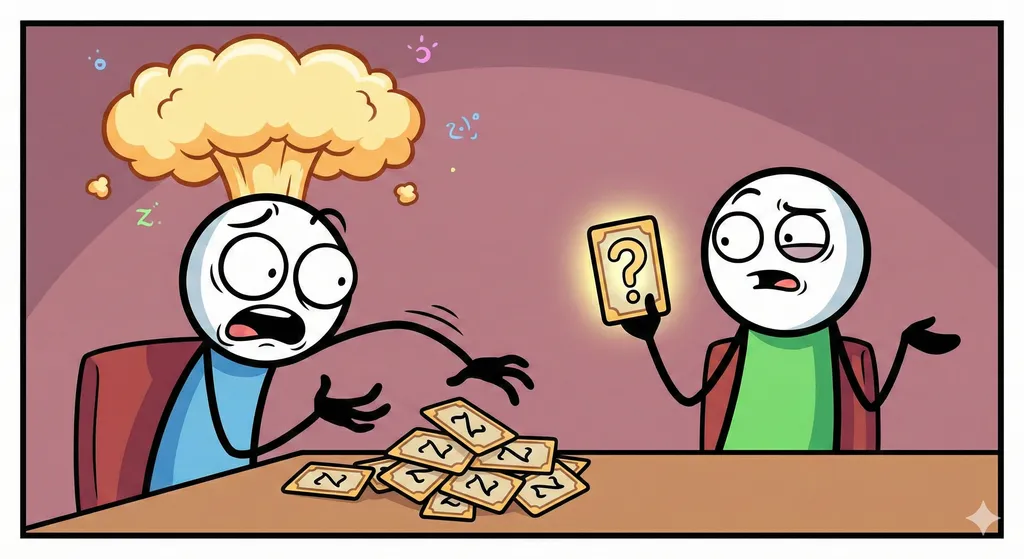
When Wizards of the Coast unveiled Connive for Magic: The Gathering, it wasn't just another keyword; it was a masterclass in elegant design, particularly potent in the context of its thematic applications. While initially debuting in the crime families of New Capenna, its true genius for portraying antagonists truly shines, as noted by its perfect utilization for the nefarious masterminds of Universes Beyond: Marvel. Connive isn't merely functional; it's a narrative device etched into the very rules of the game.
At its core, Connive is deceptively simple: "Draw a card, then discard a card. If you discarded a nonland card, put a +1/+1 counter on this creature." On the surface, it appears to be a variation of classic 'looting' effects. However, the crucial distinction lies in that second clause, transforming what could be mere card cycling into a strategic powerhouse. This mechanic offers immediate value through card selection, allowing players to filter through their deck for crucial answers or combo pieces. More profoundly, it synergizes with an entire ecosystem of Magic strategies. Graveyard decks, from reanimation to delve, revel in the controlled discard. Madness cards find their perfect enabler, and 'discard matters' triggers become consistent threats. The choice to discard a land for pure filtering, or a nonland to empower a creature, presents a constant, engaging micro-decision that elevates gameplay beyond simple resource management.
The flavor of Connive is where it truly transcends mere mechanics. The act of "conniving" perfectly encapsulates the essence of a cunning villain – always planning, always adapting, always sifting through possibilities to find the optimal path to victory. Unlike brute force, which might be represented by a simple stat stick, Connive embodies intellectual superiority and strategic manipulation. A villain doesn't just act; they scheme. They gather information (draw a card), discard irrelevant details or spent resources (discard a card), and in doing so, empower themselves or their agents (put a +1/+1 counter). In the context of Marvel Superheroes, this is the very essence of characters like Doctor Doom or Loki – they are always several steps ahead, their 'power' often derived from their intricate plots and ability to adapt on the fly. It's a mechanic that tells a story, making the player feel like a mastermind orchestrating their grand design.
So, is Connive good for the game? Unquestionably. For the veteran player, Connive adds layers of depth without adding undue complexity. In formats like Commander, where card advantage and synergy are paramount, Connive provides both in spades. It encourages thoughtful deck construction, allowing players to build around its discard outlets or capitalize on its creature-buffing capabilities. It rarely feels overpowered because the +1/+1 counter is conditional, yet it consistently provides value, making it relevant from early game filtering to late game pushes. It's a mechanic that feels fair, powerful, and most importantly, fun. It's the kind of design that makes you appreciate the nuance of Magic: The Gathering, showcasing how a few words can create a rich tapestry of strategic choices and thematic resonance.
Top Pick: Streets of New Capenna Commander Decks
Excellent examples of Connive in action
Check Price on Amazon →Related Stories
Marvel Super Heroes: Gamma-Powered Cards and Cosmic Cleansing
Wizards of the Coast unveils more Marvel Super Heroes spoilers, featuring fan favorites She-Hulk, Ms. Marvel, and a potent red board wipe. These new cards promi
Marvel's Might Meets Magic: A Commander Deep Dive
Wizards of the Coast unleashes its latest Universes Beyond set, bringing the Marvel Super Heroes into the fray. This pre-release analysis dissects how iconic ch
Marvel's Azorius: A Strategic Deep Dive into Cosmic Control
The latest Magic: The Gathering Marvel Super Heroes preview showcases the White and Blue cards, hinting at powerful control and protection strategies. We analyz