
Dawn of War 4: The Imperium's Digital Advance Returns in 2026
Warhammer 40k Dawn of War 4 is confirmed for 2026, promising a new era for the iconic RTS series. We dissect what this means for tabletop players and the future of the grimdark universe.
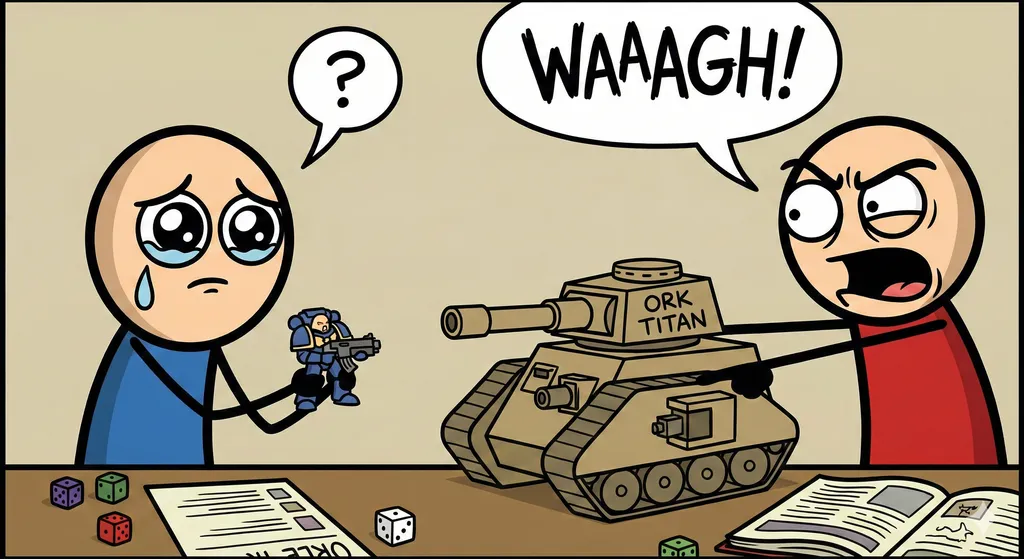
The Imperium's digital legions are marching once more. Games Workshop and its partners have officially confirmed Warhammer 40k Dawn of War 4, slated for a 2026 release, sending ripples of anticipation through the grimdark faithful. For veterans of the tabletop and digital battlefields alike, this isn't just another title; it's a re-engagement with one of the most impactful translations of the 41st Millennium into a real-time strategy format. "The Crit Sheet" has been tracking the rumblings, and now that the vox-caster static has cleared, it's time to analyze the implications.
From a mechanics standpoint, the Dawn of War series has always straddled the line between traditional RTS base-building and the tactical skirmish feel of its tabletop progenitor. The original Dawn of War, with its focus on capturing strategic points and squad-level engagements, beautifully abstracted the essence of Warhammer 40k’s territory control and unit cohesion. Dawn of War II pivoted, emphasizing hero units and cover mechanics, echoing the more elite, narrative-driven skirmishes often seen in smaller-point tabletop games or even Kill Team. For Dawn of War 4, the critical question is which design philosophy will prevail, or if it will forge a new path that synthesizes the best of both. Will we see a return to robust base-building and large-scale army management, or will the design lean into the highly customizable, character-centric combat that defines many modern RTS titles? The fidelity of unit abilities, the nuanced interaction of weapon profiles against different armor types, and the crucial role of morale — these are the elements that elevate a 40k RTS beyond mere click-fests. We anticipate a system that rewards tactical positioning and combined arms, much like a well-played game of 10th Edition Warhammer 40k, where unit synergies and mission objective control dictate victory. The confirmed factions will be key here; each must feel distinct, not just aesthetically, but in how their core mechanics drive play.
Lore-wise, a new Dawn of War entry offers an unparalleled opportunity to delve deeper into the vast, often contradictory narratives of the 41st Millennium. The series has historically excelled at presenting compelling, character-driven stories within the larger galactic conflict, often introducing players to factions and specific lore events that might otherwise remain confined to codex entries. While specific plot details remain under wraps, the confirmation of multiple factions suggests a sprawling narrative canvas. Will we witness the resurgence of the Eldar against ancient foes, the relentless WAAAGH! of the Orks, or the insidious corruption of Chaos? Perhaps the game will explore the evolving narrative landscape of the Indomitus Crusade, or even delve into a previously untouched segmentum. A well-crafted story in Dawn of War 4 can not only captivate existing fans but also serve as a gateway for new players, providing accessible entry points into the rich, brutal tapestry of Warhammer 40k. Imagine the inspiration for your next narrative campaign, drawing directly from the heroics or tragedies depicted on screen. For those seeking to explore the background of their favorite factions, the Warhammer 40,000 Core Book remains an indispensable resource, offering a foundational understanding that enriches any digital experience.
The verdict for the tabletop community is overwhelmingly positive. A high-profile release like Warhammer 40k Dawn of War 4 serves as a potent evangelist for the entire hobby. It brings the grimdark universe to a wider audience, many of whom will inevitably be drawn to the physical models, the painting, and the social aspect of tabletop gaming. New players, inspired by the tactical depth and cinematic flair of the digital battles, often seek to replicate that experience on their own tables. Furthermore, the game can inject fresh ideas into narrative play, providing scenarios, character archetypes, and strategic considerations that GMs and players can adapt for their own campaigns. It’s a symbiotic relationship: the video game draws from the tabletop’s lore and mechanics, and in turn, it replenishes the tabletop with new enthusiasts and creative inspiration. While it won't replace the visceral thrill of rolling dice and moving miniatures, it undoubtedly strengthens the brand and expands the community.
Top Pick: Warhammer 40,000: Recruit Edition Starter Set
Excellent entry point for new players inspired by the video game.
Check Price on Amazon →Related Stories
40k's Shifting Sands: Meta Rankings and the Tabletop Truth
Spikey Bits’ latest Warhammer 40k meta analysis reveals the top-tier and struggling factions. We dissect these competitive shifts to understand their true impac
Warhammer 40k 11th Ed: Starter Set Rumors, A New Era Looms
Whispers of Warhammer 40,000 11th Edition's starter set are circulating, signaling potential shifts for Games Workshop's flagship. We dissect what these early m
Kill Team's February 2026 Errata: Precision or Patchwork?
Games Workshop's latest Kill Team FAQ and Erratas for February 2026 land on our tables, promising to refine the skirmish experience. This deep dive dissects the