
Diplomacy: The Golden Blade of Tabletop Geopolitics
Allan Calhamer's Diplomacy remains a masterclass in negotiation, stripping away dice for pure strategic wit. It's a brutal, brilliant board game where trust is a weapon and alliances are fleeting.
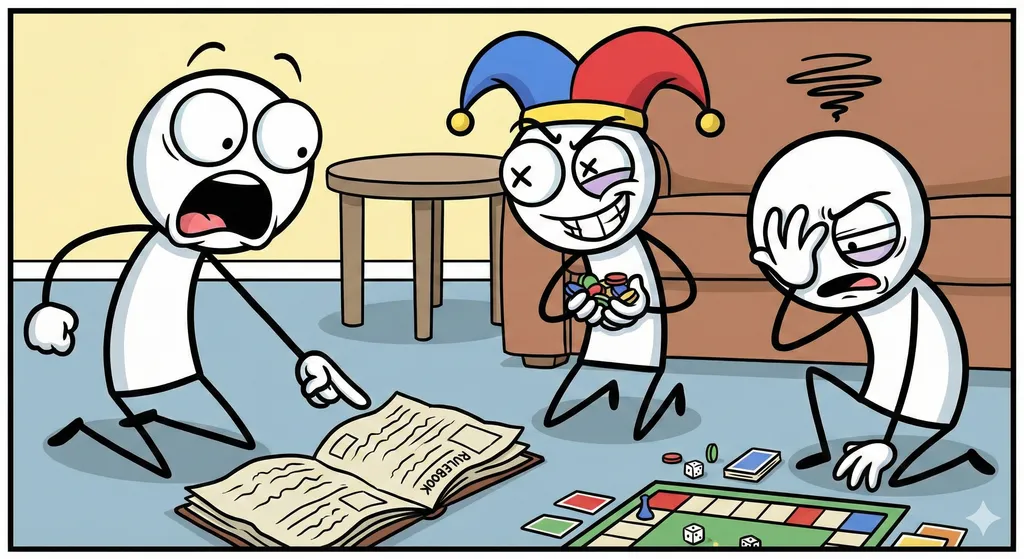
Diplomacy. The name itself carries the weight of empires and the whisper of backroom deals. For over six decades, Allan Calhamer's seminal 1959 board game, Diplomacy, has forced players to confront the brutal realities of geopolitical maneuvering, where alliances are ephemeral and trust is a weapon. It's a game that strips away the randomness of dice to expose the raw, strategic intellect of its participants, demanding a level of negotiation and psychological warfare rarely seen on the tabletop.
At its core, Diplomacy is a game of area control and simultaneous action, set on a map of early 20th-century Europe. Seven Great Powers—Austria-Hungary, England, France, Germany, Italy, Russia, and Turkey—vie for control of 18 'supply centers.' The first player to secure 18 centers wins. Sounds simple, right? The genius, and the agony, lies in its execution. Each turn, players secretly write down orders for their armies and fleets: move, hold, or support. There are no dice rolls to bail you out or foil a perfect plan; conflicts are resolved purely by numerical superiority and, critically, by the support offered by other players. An army cannot move into an occupied territory unless an ally 'supports' its attack, effectively adding their unit's strength to the attacker's. Similarly, a unit defending a territory can be 'supported' to hold its ground. This elegant system means every single movement, every defensive stance, hinges entirely on the intricate web of promises, threats, and counter-promises woven during the preceding 'negotiation phase.' This is where the game truly lives. Hours can pass in hushed conversations, frantic whispers, and elaborate bluffs, as players attempt to secure commitments that may or may not be honored when the sealed envelopes are finally opened. The simultaneous reveal often leads to glorious triumphs or catastrophic betrayals, revealing the true strategic landscape and the fragile nature of tabletop trust.
The early 20th-century setting isn't just window dressing; it's the crucible in which Diplomacy forges its narrative. The game mirrors the complex, pre-World War I European power balance, where shifting alliances and imperial ambitions dictated the fate of nations. Players don't just move pieces; they embody the strategic anxieties and opportunistic drives of historical powers. The inherent rivalries between, say, England and Germany, or Russia and Turkey, are baked into the map itself, providing natural points of friction and alliance. This historical context imbues every backstab and every hard-won peace with a thematic resonance that elevates it beyond a mere abstract exercise. You're not just losing a supply center; you're losing the Black Sea fleet, or ceding control of Berlin, with all the historical implications that entails. The game becomes a living, breathing alternate history, where the players themselves are the architects of a new, often bloodier, European order. It’s a masterclass in how a setting, however familiar, can profoundly influence player behavior and strategic depth.
So, is Diplomacy good for your table? That depends entirely on your table. This is not a casual game. It is an intense, draining, and often brutally personal experience. The famous adage that 'Diplomacy destroys friendships' isn't hyperbole; it's a testament to the emotional investment and the deep-seated betrayals that are not just possible, but often necessary, to win. The game demands hours, sometimes days, of focused play, with each turn a painstaking exercise in deduction, persuasion, and calculated risk. For those who relish such intellectual combat, who thrive on outmaneuvering opponents through sheer wit and cunning rather than lucky dice rolls, Diplomacy is an unparalleled masterpiece. It's a game that rewards strategic foresight, psychological insight, and the ability to read the tells of your opponents. The highs of a successful bluff or a perfectly executed triple-cross are exhilarating; the lows of a devastating betrayal can sting for weeks. It’s a game that demands commitment, but for the right group, it offers a profoundly rewarding and memorable experience that transcends typical board game interactions. It's a game that President John F. Kennedy reportedly enjoyed, and if it's good enough for a master of real-world geopolitics, it's certainly worth a look for those seeking the ultimate test of strategic acumen. Consider picking up a modern edition to experience this classic with updated components.
Related Stories
Tulikko: Sliding Towards Strategic Brilliance?
Tulikko, a new tile-placement game, challenges players to master shifting grids and dynamic objectives. We dissect its mechanics and tabletop impact.
Dragon Castle: The Elegant Gateway Back to the Table
Meeple Mountain highlights Dragon Castle as an ideal game for re-entry into the board gaming hobby. We dissect how its elegant design makes it a compelling choi
boop. & Beyond: The Art of Elegant Expansion
Scott Brady's 'boop.' series, published by Smirk & Dagger, masterfully expands an elegant abstract core. This deep dive explores how unique characters and theme