
MTG's Land System: Design Flaw or Enduring Genius?
Magic: The Gathering's iconic land system often stands alone among its TCG peers. We examine if this unique resource model is a design flaw or a crucial element of its enduring appeal, exploring its impact on gameplay and strategy.
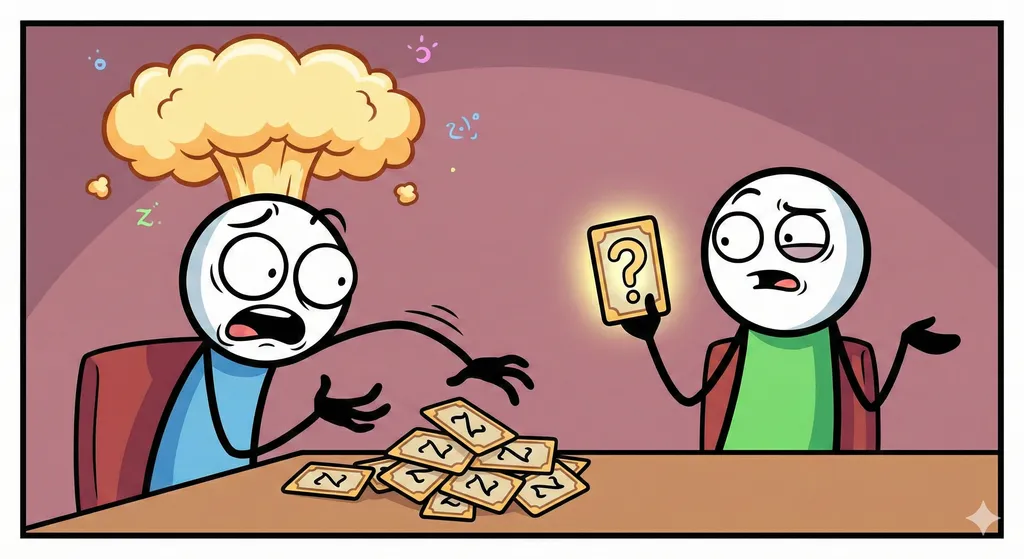
Magic: The Gathering, from Wizards of the Coast, remains the venerable grand-daddy of the collectible card game genre, yet its most foundational mechanic—the land-based resource system—is almost universally abandoned by its progeny. Is this an indictment of a flawed design, or a testament to its unique, deeply integrated genius?
At its core, Magic: The Gathering’s resource engine relies on ‘lands.’ Players include a significant portion of these non-spell cards in their deck, drawing them randomly alongside their spells. Each turn, a player can typically play one land, which then ‘taps’ to generate mana, the ethereal currency required to cast spells. This contrasts sharply with systems seen in other successful TCGs. Hearthstone and Lorcana offer an automatic, incremental mana gain each turn, eliminating resource cards entirely. Pokémon TCG uses a dedicated ‘Energy’ card type, but allows only one attachment per turn, often from hand, making it a distinct interaction from MTG’s land drop. Even newer entrants like Star Wars: Unlimited integrate resources directly into other card types, allowing players to ‘resource’ a card from their hand face-down, making every card a potential resource or spell. These alternative models aim to reduce ‘mana screw’ (too few lands) or ‘mana flood’ (too many lands), perceived pain points that can lead to non-games where players are stifled by a lack or overabundance of resources.
From a mechanical perspective, the land system is a double-edged sword. It introduces a vital layer of deckbuilding strategy. Crafting a mana base—deciding on the number of lands, the balance of basic versus non-basic, and the inclusion of mana rocks or dorks—is a skill unto itself. Commander format players, in particular, spend considerable time optimizing their 99-card singleton mana bases. It also means that resource denial and acceleration are potent strategies. Land destruction, land ramp, and even land-centric abilities like Landfall create entire archetypes that simply do not exist in other TCGs. The variance, while sometimes frustrating, also ensures that no two games play out identically, even with the same two decks. A crucial land drawn at the perfect moment can turn the tide, creating those memorable “top-deck” moments that define TCG narratives.
Beyond the crunch, the land system is deeply woven into the very fabric of Magic’s lore. Lands are not just abstract resource generators; they are representations of the Planeswalker’s connection to the raw magical energies of the Multiverse. Each basic land—Plains, Island, Swamp, Mountain, Forest—corresponds to one of the five colors of mana, each with its own philosophical alignment and inherent magical properties. Tapping a Forest isn't just generating green mana; it's drawing power from the wild, untamed essence of nature itself. Non-basic lands often depict specific, iconic locations within the Multiverse, like the legendary Tolarian Academy or the sprawling cityscape of Ravnica, further grounding the mechanic in the game’s rich narrative. This thematic integration makes the mechanic feel less like an arbitrary rule and more like an organic extension of the Planeswalker fantasy.
So, is Magic’s land system 'bad' because others have moved on? Absolutely not. While it introduces a degree of variance that can occasionally feel unfair, it is precisely this variance that contributes to Magic: The Gathering’s enduring strategic depth and dynamic gameplay. It forces players to make difficult deckbuilding choices, rewards clever resource management, and creates a unique ebb and flow of power throughout a game. The tension of hoping for that next land drop, or the relief of drawing a powerful spell when flooded, is an integral part of the Magic experience. The land system is not a flaw to be patched; it is a foundational pillar that defines the game's identity, ensuring that Magic: The Gathering continues to stand apart in a crowded market. For those looking to delve deeper into your next Commander deck, understanding the nuances of the land system is paramount to success.
Top Pick: Magic: The Gathering Gift Bundles
A comprehensive starting point for new and returning players
Check Price on Amazon →Related Stories
Budgetary Battles: Commander Clash and the Soul of EDH
MTGGoldfish's latest Commander Clash pits $1 to $1,000 decks against each other, igniting debate on accessibility and power in Magic: The Gathering. We dissect
The Sad Robot's Enduring Legacy: Solemn Simulacrum in a Shifting Commander Meta
Solemn Simulacrum, the iconic 'Sad Robot' from Magic: The Gathering, has long been a Commander format staple. This deep dive explores whether this classic artif
Giada's Grace: Unpacking the Angel Commander's Table Dominance
Giada, Font of Hope has quickly become the premier Angel tribal commander in Magic: The Gathering's Commander format. This piece delves into her unique mechanic