
Pauper's Veil: MTGO Data Shifts Reshape Magic's Commons
Wizards of the Coast's recent adjustments to MTGO decklist visibility have ignited a fierce debate within the Magic: The Gathering Pauper community. This shift profoundly impacts meta-analysis and strategy, forcing players to adapt to a less transparent competitive landscape.
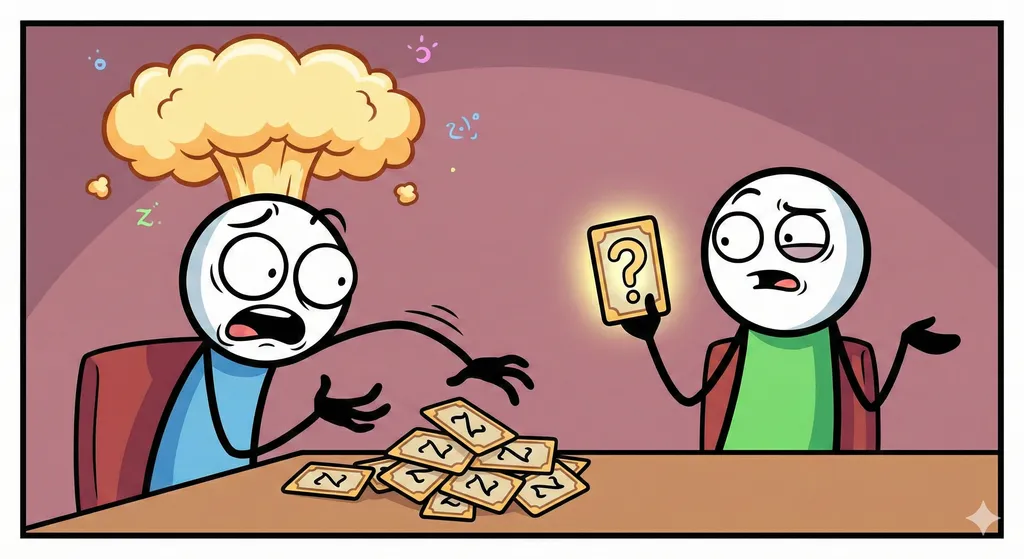
The digital battlegrounds of Magic: The Gathering, specifically the venerable Magic Online platform, have always been a crucible for competitive play. Yet, a recent policy shift by Wizards of the Coast, regarding the transparency of decklist data, has sent ripples through one of its most beloved and accessible formats: Pauper. As reported by Joe Dyer on MTGGoldfish, this isn't a mere tweak; it’s a foundational alteration to how the Pauper meta is observed and understood, demanding a deep dive into its implications for players and the format's very soul.
Traditionally, comprehensive decklist data from Magic Online events – particularly challenges, qualifiers, and even preliminary results – has been the lifeblood of competitive format analysis. Sites like MTGGoldfish have meticulously aggregated this information, providing an invaluable, almost real-time snapshot of the metagame. The ‘mechanics’ of this data stream were elegantly simple: transparency fostered informed decision-making. Players could discern dominant archetypes, identify emerging rogue strategies, understand card choices, and, critically, prepare for the field. Now, however, the spigot has been tightened. While top-performing lists from major events are still published, the sheer volume of supporting data – especially regarding near-misses, fringe strategies that performed moderately, and the overall distribution of archetypes across the competitive landscape – has significantly diminished. This isn't merely a reduction; it’s a fundamental alteration to the information ecosystem that Pauper players, content creators, and competitive analysts rely upon. Imagine running a D&D campaign where the Dungeon Master suddenly stops revealing monster stat blocks until *after* you’ve defeated them, or where you only get a vague sense of the traps you avoided. You can still win, but your preparation, strategic adaptability, and the depth of your understanding are severely hampered. This less-is-more approach to data fundamentally shifts the skill test from informed meta-gaming to a more reactive, less predictable environment, echoing the challenges of navigating an unknown dungeon without a map. For a deeper look at the raw data impact, check out comprehensive MTGGoldfish analysis.
The 'lore' of Pauper isn't found in ancient planeswalkers or forgotten spells; it’s etched into the very fabric of its community and its core philosophy. Pauper, for the uninitiated, is Magic: The Gathering played exclusively with common cards. This restriction isn't a limitation; it's a liberation, fostering incredible creativity, affordability, and a vibrant, grassroots competitive scene. The format thrives on ingenuity, on players discovering powerful interactions within a seemingly humble card pool, often pushing cards far beyond their initial perceived power level. The transparency of data was, in a way, part of Pauper’s lore – a shared ledger of innovation, allowing everyone, regardless of budget, to participate in the meta-game discussion. When you limit the data, you subtly undermine this ethos. You obscure the narratives of emerging archetypes, the underdog stories of a clever tech choice, or the slow, iterative refinement of a dominant strategy. The 'lore' of Pauper is about collective knowledge and shared discovery; the new data policy feels like a gate being subtly closed, making the path to mastery less a communal climb and more a solitary trek through an increasingly opaque wilderness.
So, what does this mean for the 'table feel' of Pauper? The verdict, for many, is a mixed bag, leaning towards detrimental. On one hand, a reduction in readily available meta-data *could* theoretically foster more genuine brewing and innovation by making it harder to simply 'netdeck' the top strategy. It might encourage players to experiment more, to innovate without the constant pressure of a known, optimized meta, potentially leading to genuinely surprising and delightful interactions. This is the argument for a more 'organic' meta, where true innovation is rewarded, akin to a TTRPG party successfully improvising a solution to an unforeseen challenge. However, the prevailing sentiment is one of concern. For competitive players, the lack of granular data makes informed preparation significantly more difficult. It's harder to predict the field, to sideboard effectively, or to understand the nuanced reasons behind certain card choices. This can elevate the barrier to entry for new players trying to grasp the format and stifle the analytical content that fuels community engagement. Content creators, who often rely on comprehensive data to provide valuable insights, find their work demonstrably harder, potentially reducing the quality and quantity of meta-analysis available to the wider player base. It feels less like a strategic shift and more like a corporate decision that disproportionately impacts the very community that champions this unique, accessible format. The spirit of Pauper is about democratic access to powerful play, and this feels like a step away from that ideal, making the format feel less like an open field of innovation and more like a foggy moor where only the most experienced guides can navigate.
Top Pick: Magic: The Gathering Pauper Preconstructed Decks
Excellent entry point to the format's unique challenges and community
Check Price on Amazon →Related Stories
TMNT Crash the MTG Meta: Pizza Power or Corporate Play?
Wizards of the Coast's latest Universes Beyond drop features the Teenage Mutant Ninja Turtles, igniting 'decklist drama' and debate. We dissect the mechanics an
SCG CON Milwaukee: The Meta's Message for Magic's Future
SCG CON Milwaukee's top decks revealed more than just winners; they offered a potent snapshot of Magic: The Gathering's evolving competitive landscape. We delve
Izzet Lessons: Milwaukee's Meta Shift and the Art of Adaptation
Krueger's Izzet Lessons victory at the Milwaukee RC proves strategic depth triumphs. We dissect the deck's mechanics and Izzet lore, revealing a flexible meta-g