
Reality Fracture: When Supply Chains Tear the Fabric of Play
The highly anticipated Magic: The Gathering set, Reality Fracture, faces significant regional launch delays, impacting player access and the global meta's organic development. This disruption forces a critical examination of the logistical challenges now inherent in major TCG releases.
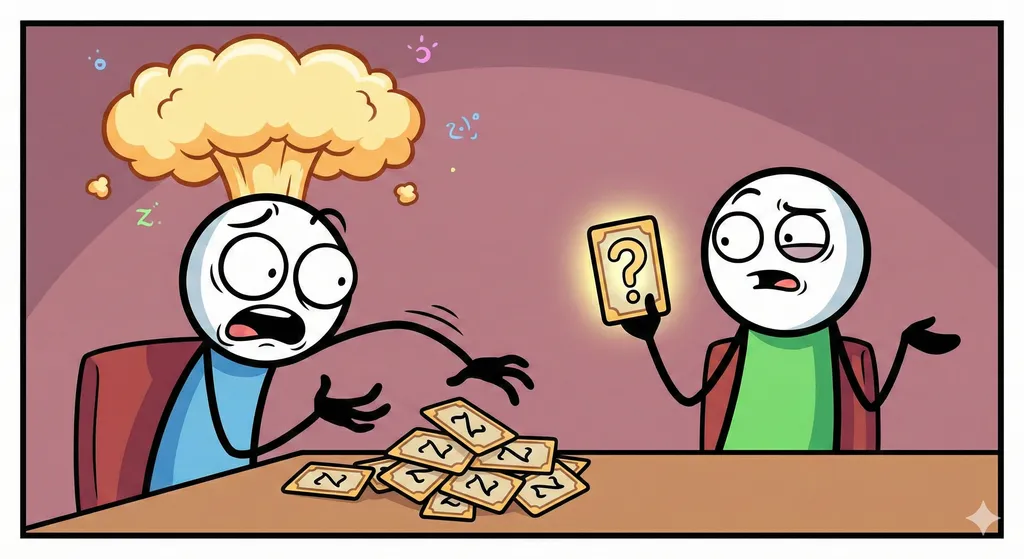
The recent announcement from Wizards of the Coast regarding widespread regional delays for the upcoming Magic: The Gathering set, Reality Fracture, has sent ripples through the community, reminding us that even the most innovative mechanics and compelling lore are beholden to the mundane realities of supply chains. As veteran Game Masters, we know the frustration of a planned session falling apart, and this feels like a global tabletop equivalent. North America, Latin America, and Japan are now added to the growing list of regions experiencing limited availability at launch, and it’s a decision that will fracture more than just release dates.
From a purely mechanical standpoint, these staggered releases are a disaster for a globally competitive game like Magic. The very essence of a new set launch is the simultaneous exploration of its new cards, keywords, and archetypes. When some regions have full access to Reality Fracture while others wait, it creates an immediate, undeniable competitive imbalance. Players in unaffected regions will be brewing, testing, and refining their strategies, establishing an early meta that delayed regions will be forced to adapt to retroactively. This isn't just an inconvenience; it's a fundamental disruption to the organic development of the game's competitive landscape. Imagine trying to prepare for a major tournament when your opponents have had weeks, or even months, with cards you've only seen online. It’s akin to one side starting a skirmish game with fully painted, fully assembled units, while the other is still waiting for their sprues.
The impact stretches beyond the high-stakes competitive scene. Local Game Stores (LGSs), the lifeblood of our community, rely heavily on these launch windows. Prereleases, release events, and the initial rush of singles sales are crucial for their bottom line and for fostering local play. Delays mean lost revenue, frustrated customers, and a general dampening of enthusiasm. For Commander players, eager to slot new legendary creatures or powerful artifacts into their 100-card singleton decks, the wait is agonizing. The vibrant online discussions around new cards, deck tech, and format shifts become less inclusive, as a significant portion of the player base is left out of the immediate experiential conversation. It’s a collective loss of the shared discovery that makes new Magic sets so exciting. If you’re looking for a solid foundation for your next deck that won't be delayed, there are always options.
Then there's the lore, the very fluff that breathes life into the crunch. The name "Reality Fracture" itself carries a potent thematic weight. One might even find a grim irony in the product's release experiencing its own logistical fracture. A new plane, new characters, new narrative arcs — these are integral to the Magic experience. When the physical product, the tangible connection to this unfolding story, is absent, the immersion breaks. Players in delayed regions are forced to consume the lore secondhand, through spoilers and streams, rather than through the cards themselves. This disconnect can dilute the impact of the set's narrative, turning what should be a grand unveiling into a slow, piecemeal reveal that lacks the intended punch. The story of Reality Fracture, whatever cosmic horrors or heroic struggles it contains, deserves a unified audience.
Ultimately, these delays are not good for the game. They erode player trust, disproportionately impact smaller businesses, and create an uneven playing field. While logistical challenges are an undeniable part of any global enterprise, the recurring nature of these issues for Wizards of the Coast and Hasbro is becoming a pattern that demands more transparent and proactive solutions. Our community thrives on shared experiences and consistent access, and when that is compromised, the vibrant ecosystem of Magic: The Gathering suffers. We expect better from a publisher of this caliber, not just for the sake of the game, but for the countless players and LGS owners who invest their passion and livelihoods into it.
Top Pick: Magic: The Gathering Commander Precon Decks
A reliable entry point into the format
Check Price on Amazon →Related Stories
Secret Lair's 'Zeta' Fumble: A Crit Sheet Post-Mortem
Magic: The Gathering's recent 'Zeta Set' Secret Lair sale was a self-admitted disaster, exposing critical flaws in Wizards of the Coast's direct-to-consumer str
Chaos Cup: Drafting Through Magic's Primal History
Star City Games' Chaos Cup pits players against Magic: The Gathering's most venerable booster packs in a high-stakes draft. The unique "winner-take-all" prize s
WotC's Reality Fracture: A Rift in the Release Schedule
Wizards of the Coast's "Reality Fracture" product delays spark concern among players and retailers alike. This disruption impacts not just product availability