
RPG Evolution: Mastering the Mic for Your Table
EN World's 'RPG Evolution' encourages TTRPG enthusiasts to launch their own podcasts. We dissect the mechanics and lore of audio storytelling, examining its profound impact on the tabletop community.
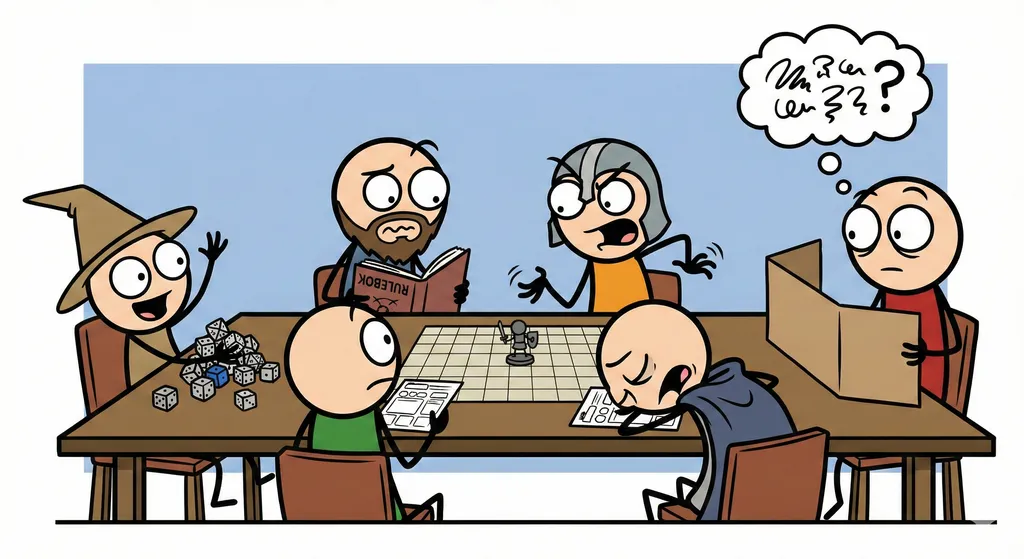
The recent buzz from EN World's "RPG Evolution: Launch Your Own Podcast" isn't merely a how-to guide; it's a clarion call. It's an invitation for every Game Master and player with a story to tell to seize the microphone, becoming their own publisher in the grand, ever-expanding tapestry of tabletop roleplaying. For too long, the wisdom gleaned from countless sessions, the intricate lore born of collaborative storytelling, and the sheer joy of the table have been confined to the immediate circle. Now, the tools are accessible, and the audience is hungry. This isn't just about recording your game; it's about elevating the craft, sharing the art, and fundamentally evolving how our hobby connects with the wider world.
Diving into the crunch of TTRPG podcasting reveals a surprisingly accessible landscape, yet one with a significant skill ceiling. At its heart, "launching your own podcast" requires three core components: sound capture, audio editing, and distribution. For sound capture, a decent USB microphone (think Blue Yeti, Rode NT-USB Mini, or even a Shure MV7) is a crucial first investment. Multiple players? Consider an audio interface like a Focusrite Scarlett 2i2 paired with XLR microphones for superior quality and individual control. The raw audio then enters the realm of the Digital Audio Workstation (DAW). Free options like Audacity or GarageBand suffice for basic cuts, but for granular control over noise reduction, equalization, compression, and mastering, Reaper offers professional-grade capabilities at an indie-friendly price point. This is where the magic happens: trimming dead air, balancing voices, adding intro/outro music, and perhaps a dash of subtle sound effects to enhance immersion. Finally, distribution relies on an RSS feed, typically managed by a podcast hosting service such as Libsyn, Buzzsprout, or Anchor. These platforms handle the heavy lifting of pushing your episodes to Apple Podcasts, Spotify, Google Podcasts, and myriad other directories. It's a pipeline, from mic to ear, and mastering each stage is vital for a polished product that truly represents the effort at your table.
The "lore" of TTRPG podcasting is a fascinating narrative of community-driven evolution. Before the widespread adoption of broadband and affordable audio equipment, sharing TTRPG experiences was largely confined to written actual play reports on forums or the occasional, often low-fidelity, audio recording shared through nascent file-sharing services. The early 2010s saw a burgeoning of actual play podcasts, often raw and unedited, but brimming with authentic tabletop energy. These pioneers laid the groundwork. Then came the polished, narrative-driven productions, epitomized by shows like Critical Role, which demonstrated the immense storytelling potential and commercial viability of the format. This created a positive feedback loop: more high-quality content inspired more creators, and more listeners sought out new shows. Podcasts now serve as a living archive of TTRPG creativity, offering everything from deep dives into obscure game systems, GM advice on worldbuilding and encounter design, to serialized actual plays that rival professional audio dramas. They've become an invaluable resource for both seasoned veterans seeking new perspectives and curious newcomers looking for an entry point into the hobby, demystifying complex rulesets and illustrating the sheer joy of collective storytelling.
So, is launching your own TTRPG podcast "good for the game"? Unequivocally, yes. For the individual Game Master, it's a powerful exercise in self-reflection and refinement. The act of reviewing your own sessions, identifying storytelling beats, and editing for pacing sharpens your GMing skills in ways few other activities can. It forces you to consider your table's narrative from an external perspective, improving clarity, characterization, and dramatic tension. For the broader hobby, TTRPG podcasts are an unparalleled engine for growth and innovation. They lower the barrier to entry for new players, providing accessible examples of gameplay and demystifying rulesets in a conversational, engaging format. They foster community, connecting GMs and players across continents, creating shared experiences and inspiring homebrew content. Furthermore, they provide a platform for indie TTRPGs to gain exposure, allowing niche systems and creative settings to find their audience beyond traditional publishing channels. While the market is increasingly saturated, quality and passion still cut through. The effort required is significant, demanding dedication to technical craft and narrative consistency, but the rewards—a stronger community, enhanced GM skills, and a lasting legacy of your table's adventures—are immeasurable.
Top Pick: Shure MV7 USB/XLR Microphone
Exceptional sound quality with both USB convenience for beginners and XLR upgrade path for advanced users.
Check Price on Amazon →Related Stories
Aetherial Conduits: Echoes & The Resonance Engine
Obsidian Gate Studios' 'Aetherial Conduits: Echoes of the Sundered Realm' introduces the innovative Resonance mechanic. We break down how this system shifts mag
MCG's AI Fumble: A Crit on Creator Trust & TTRPG's Soul
Monte Cook Games recently replaced a promotional video after community backlash over AI-generated assets. This incident sparks a vital conversation about artist
Dragon Kings: A Harsh New Dawn for 5th Edition
The original architects of Dark Sun bring their brutal vision to 5th Edition with Dragon Kings. This deep dive examines how a world of psionics and scarcity res