
Simic's Siren Song: Why Raw Power Isn't Always the Path
Simic (Blue/Green) reigns supreme in Commander for its unparalleled ramp and card draw. Yet, this mechanical dominance often belies a less-than-engaging table experience.
Magic: The Gathering's Commander format, a bastion of diverse strategies and grand table-top narratives, often sees one particular color pair rise above the rest in raw, unadulterated power: Simic, the Blue/Green behemoth. But despite its undeniable mechanical might, why do some veteran players, myself included, find themselves consistently sidestepping this verdant-azure juggernaut?
At "The Crit Sheet," we don't just observe the meta; we dissect it, seeking the nuances that shape our gameplay. Simic, or UG as it's often abbreviated, presents a fascinating paradox. Mechanically, it's a dream. No other color combination in Commander offers such robust, consistent access to the two most crucial resources: mana and cards. You want ramp? Simic gives you the best of both worlds. From efficient land-based accelerators like Three Visits and Harrow, ensuring you hit those critical land drops, to the ubiquitous mana dorks such as Birds of Paradise and Llanowar Elves that come down early and enable explosive turns, UG builds a mana engine faster than any other. And once that engine is purring, the card draw kicks in. Rhystic Study, Aesi, Tyrant of the Gyre Strait, and a plethora of 'draw X cards' spells based on creature count or land drops ensure your hand is perpetually full. This relentless resource advantage typically translates directly into overwhelming board presence or the rapid assembly of a game-winning combination. Its primary mechanical weakness, a relative lack of efficient removal, often feels like a minor inconvenience when you're drawing half your deck and casting spells several turns ahead of schedule.
From a lore perspective, the Simic Combine of Ravnica perfectly embodies this mechanical identity. They are the biomancers, the evolutionists, constantly pushing the boundaries of life, merging creature and technology, always striving for the next evolutionary leap. Their philosophy is one of growth, adaptation, and an almost relentless pursuit of perfection through biological enhancement. This drive mirrors the Simic player's journey in Commander: an unceasing quest for more mana, more cards, more creatures, all evolving into an unstoppable force. The lore-mechanical synergy is impeccable; you truly feel like a biomancer cultivating an overwhelming ecosystem of power at the table.
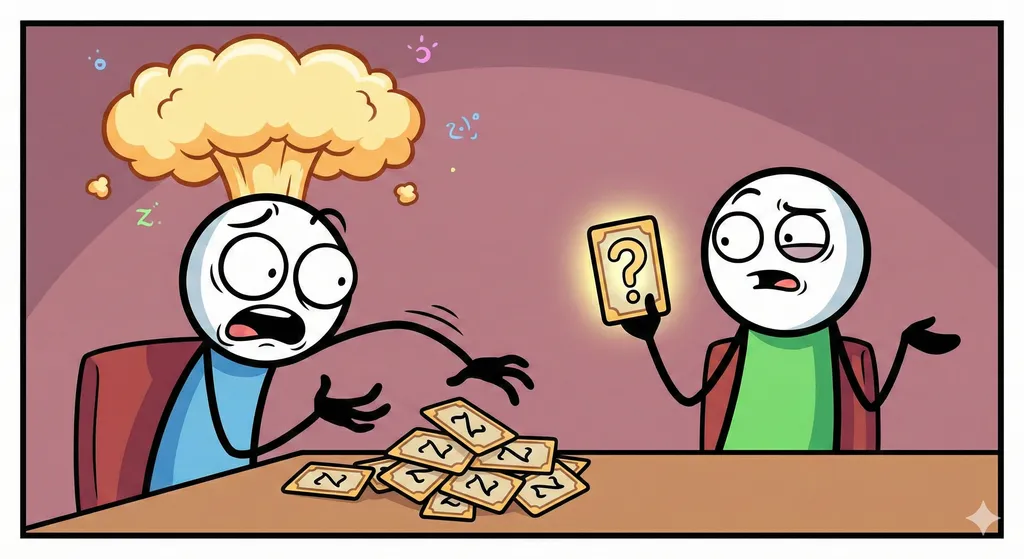
However, this mechanical efficiency and lore-driven pursuit of growth often lead to a specific, and for some, problematic, table experience. The Verdict from a Game Master's perspective is clear: while undeniably effective, the Simic play pattern can often devolve into a singular, internal puzzle-solving exercise for one player, leaving the rest of the table as mere spectators to an inevitable, often non-interactive, combo turn. The sheer speed and resilience of Simic's resource engine can create a 'solitaire' feel, where other players' actions become less relevant as the UG player simply accrues resources until they can't be stopped. This isn't to say Simic decks are inherently 'bad' or 'unfun' for everyone; many players adore the intricate puzzle of assembling their engine and executing their plan. But for those seeking a more dynamic, back-and-forth Commander experience, Simic's path to victory can feel less like a shared journey and more like a carefully constructed, solitary express lane. The social contract of Commander, which often values interaction and shared storytelling, can be strained by a deck that consistently outpaces and out-resources its opponents to the point of marginalizing their contributions. For a deeper dive into Simic strategies, check out some of Command Zone's Simic Deck Techs.
Top Pick: Commander Legends: Battle for Baldur's Gate Draft Boosters
Excellent for encouraging varied Commander builds and finding interactive pieces.
Check Price on Amazon →Related Stories
Hofri Ghostforge: Unveiling the Spirit of Non-Linear Victory
Delve into the nuanced strategies of Hofri Ghostforge in Commander, exploring how Secrets of Strixhaven enriches his unique approach to Boros combo lines. This
The Infinite Recursion: Cloning Commanders in Magic
Commander, the format championing singleton diversity, holds a fascinating paradox: the strategic power of copying your most vital card, your commander. This de
Black's First Turn: Beyond the Basics in Commander
The Crit Sheet dives deep into the true meaning of a 'one-drop' for black decks in Magic: The Gathering's Commander format. We dissect why common inclusions are