
Standard's Shifting Sands: The Unseen Hand of Rotation
Magic: The Gathering's Standard rotation is a pivotal, often contentious, event shaping its competitive landscape. We dissect the mechanics, lore implications, and player impact of this cyclical format reset.
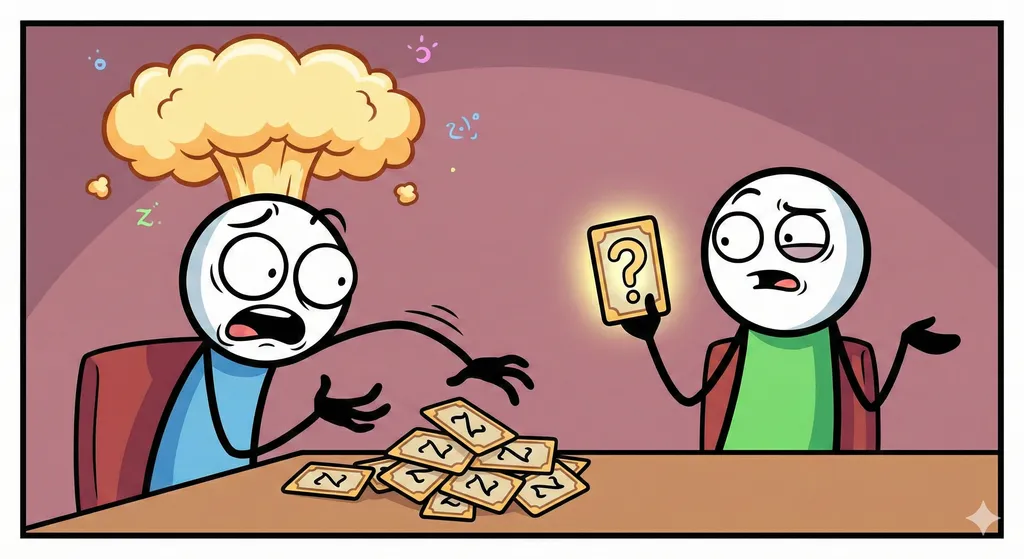
The annual ritual of Magic: The Gathering Standard rotation, orchestrated by Wizards of the Coast, is upon us once more, casting a long shadow of anticipation and strategic recalculation over the competitive landscape. For veterans of the Multiverse, this isn't just a calendar event; it's a fundamental reset, a forced evolution that defines the very essence of the Standard format.
At its core, Standard rotation is a meticulously designed culling process. Every fall, coinciding with the release of the year’s premier set, the oldest four sets in the format are rotated out, becoming illegal for Standard play. This means that if you’ve been meticulously crafting your perfect Bant Ramp deck from *Dominaria United* or leveraging the power of *Streets of New Capenna*, come rotation, those cards are gone from the format. The legal card pool then consists of the most recent four sets, plus the new premier set, setting the stage for an entirely fresh metagame. This isn't arbitrary; it's a deliberate design choice aimed at preventing power creep, maintaining a dynamic play environment, and ensuring that new card releases remain relevant and exciting. Without rotation, the card pool would balloon, making it impossible for new sets to significantly impact the meta, leading to stagnation and an ever-increasing barrier to entry for new players trying to catch up years of releases.
From a lore perspective, while rotation isn't explicitly a narrative beat within the Multiverse's ongoing saga, it profoundly shapes the *story of the game itself*. Each new Standard environment feels like a new chapter. The planeswalkers and major events of the rotated sets fade from the active battleground, much like old legends give way to new heroes and threats. The narrative arc of a Standard format begins with the introduction of new mechanics and characters, their rise to dominance (or ignominious failure), and their eventual departure. The rotation isn't just about card legality; it's a meta-narrative of shifting power, evolving strategies, and the constant struggle for supremacy among the game’s myriad archetypes. It’s the story of a world that never truly settles, always in flux, echoing the very nature of the planes themselves. Imagine the guilds of Ravnica clashing with the phyrexians, only for both to be eventually replaced by the denizens of Eldraine and Ixalan. This constant churn keeps the *feel* of the game fresh, even if the underlying reason is purely mechanical.
So, is this grand design good for the game? The verdict, as always with such impactful mechanics, is nuanced. On one hand, rotation is a vital engine for innovation. It forces players to adapt, to brew, to discover new synergies, and to truly understand the current card pool rather than relying on established archetypes. It keeps the metagame from becoming stale, ensuring that competitive play remains engaging and unpredictable. For new players, the smaller card pool makes the game less daunting to enter, requiring investment in a more manageable number of sets. It's a continuous soft reboot that prevents any single strategy from dominating indefinitely, fostering a diverse competitive ecosystem. If you're looking to dive into the current Standard meta, picking up a few recent booster packs is a great start.
On the other hand, rotation is a financial burden. Players who invest heavily in a top-tier Standard deck can see their investment become worthless for the format overnight. This can lead to frustration and a sense of being forced into continuous purchases, reinforcing the perception that Standard is a 'pay-to-keep-up' format. For many, the joy of building a collection and seeing it grow is diminished when a significant portion of it is periodically invalidated. This is why non-rotating formats like Modern, Pioneer, and especially Commander have seen such a surge in popularity. They offer a haven for those who prefer their card investments to have a longer lifespan, fostering a different kind of community and play experience. Wizards of the Coast walks a tightrope with Standard rotation: it’s essential for the format's health and competitive integrity, but its implementation must always be scrutinized for its impact on the player base and the broader TCG economy. It's a necessary evil, perhaps, but one that demands an understanding of both its crunch and its consequences at the table.
Top Pick: Commander preconstructed decks
Excellent entry point to a non-rotating, community-driven format
Check Price on Amazon →Related Stories
Magic's Paradox: Can Cards Still Explain Themselves?
Magic: The Gathering faces a growing tension between increasing card complexity, rapid release cycles, and the influx of new players. The age-old wisdom 'readin
Ponza's Return: Standard's Mana Bases Under Siege
The specter of land destruction, long absent from competitive Standard, looms large as new tools emerge. Players must now adapt their mana bases to survive a re
Hasbro's MTG Lawsuit Dismissal: A Pyrrhic Victory for the Table?
Shareholders have dropped their lawsuit against Hasbro over alleged Magic: The Gathering overprinting. While it removes immediate legal uncertainty, the underly