
The Elegant Art of Simplicity: Deconstructing 'Super Simple' Game Design
Tabletop Bellhop's recent deep dive into simple board games sparks a crucial discussion on accessibility and design. We analyze the core mechanics and enduring appeal of elegance at the tabletop.
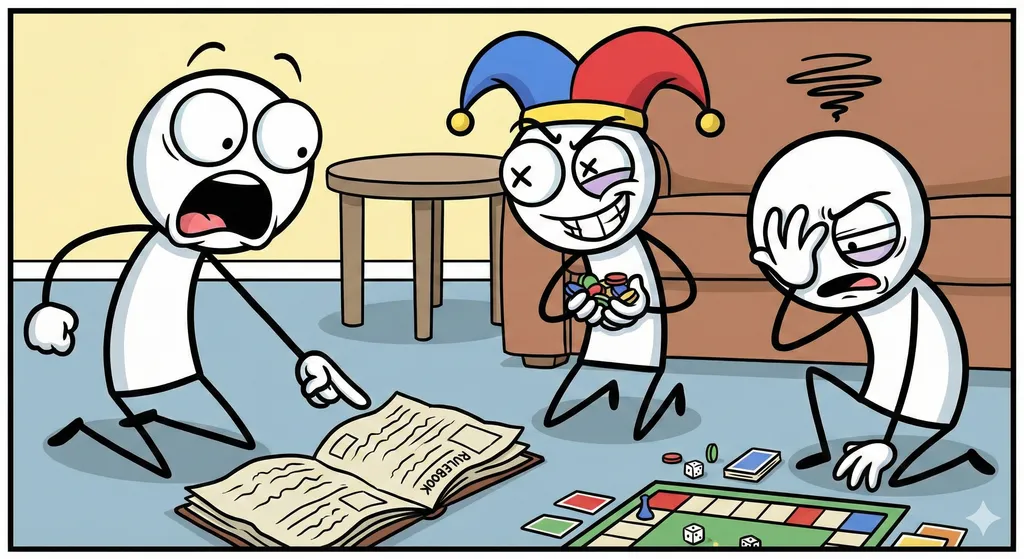
The recent dive into ‘20 Super Simple Board Games’ by Tabletop Bellhop in their Episode 299, ‘Pure and Simple,’ isn't merely a list of recommendations; it's a profound invitation to dissect the very architecture of elegance in game design. As veteran players and GMs, we often laud the sprawling epics and rules-heavy simulations, but the enduring appeal of the truly simple game is a masterclass in engagement that warrants a deeper look.
What precisely constitutes a ‘super simple’ game, and how does it function at the table? The crunch of simplicity isn't about a lack of depth, but rather a ruthless efficiency of rules. Consider the core loop: actions are clear, turns resolve quickly, and player choices, while limited in number, are impactful. This often manifests as a game state that is immediately comprehensible, even to newcomers. Think of the straightforward resource acquisition and set collection in games like *Ticket to Ride*, or the elegant drafting mechanism exemplified by *Sushi Go!*. The rules overhead is minimal, allowing players to focus on strategy and interaction rather than rulebook interpretation. The systems are transparent; you don't need to be a rules lawyer to understand *why* something happened. The sheer immediacy of a game like *Pizza Roles*, mentioned by Tabletop Bellhop, likely thrives on this principle: a clear objective, few choices per turn, and rapid feedback. This isn't dumbing down; it's distilling. It’s the difference between a sprawling, multi-axis combat system and the crisp, decisive action economy of a skirmish game like *Kill Team 2024* – different scales, same pursuit of impactful choice within defined constraints.
The 'fluff' of simplicity, its lore within our hobby, is equally compelling. Simple games serve as the undisputed champions of gateway games, drawing in new blood and expanding our community. They dismantle the often-intimidating barriers of entry that complex games, for all their glory, can erect. For many, a simple game isn't just a diversion; it's the first step into a lifelong passion, a gentle hand guiding them into the deeper waters of *Dungeons & Dragons 5th Edition* or the tactical intricacies of *BattleTech*. They foster social interaction by minimizing cognitive load, allowing conversation and camaraderie to flourish alongside gameplay. Moreover, these games often become cultural touchstones, passed down through generations, their simple rules easily recalled and shared, proving that a robust setting isn't always about pages of text, but about the shared experience and emergent narrative around the table.
So, is this emphasis on simplicity good for the game? Unequivocally, yes. For designers, it’s a rigorous exercise in finding maximum strategic depth within minimal components and rules. For players, it offers a refreshing palate cleanser from heavier campaigns and a vital avenue for introducing non-gamers to our beloved hobby. It proves that innovation isn't solely about adding more mechanics, but often about refining existing ones to their purest, most elegant form. The discussion around 'super simple board games' reminds us that accessibility is not a compromise on quality, but a design challenge that, when met, enriches the entire tabletop ecosystem. It fosters a broader, more inclusive community, ensuring that the magic of shared play isn't reserved only for those willing to commit to a 50-page rulebook.
Top Pick: Sushi Go!
A brilliant example of simple drafting with surprising depth.
Check Price on Amazon →Related Stories
Feld's Hamburg: Bruges Rebuilt or a New Masterpiece?
Stefan Feld's iconic Bruges returns as Hamburg, the inaugural title in Queen Games' City Collection. This revised edition promises updates to a beloved classic,
Jo Kelly's 'Pivot to Profit' Skewers Corporate Absurdity
Veteran designer Jo Kelly launches "Pivot to Profit: The Corporate Climb" on Kickstarter. This ultra-satirical card game promises a sharp critique of modern bus
Race for the Galaxy: Xeno Counterstrike — A Masterclass in Modular Design
Tom Lehmann's 'Race for the Galaxy: Xeno Counterstrike' concludes the Xeno arc, offering two distinct play experiences. This second and final expansion introduc