
The Gentle Hand: Onboarding New Players with Veteran Grace
Meeple Mountain reminds us that enthusiasm can be a barrier to entry for new players. We break down effective onboarding strategies for growing our hobby with patience and precision.
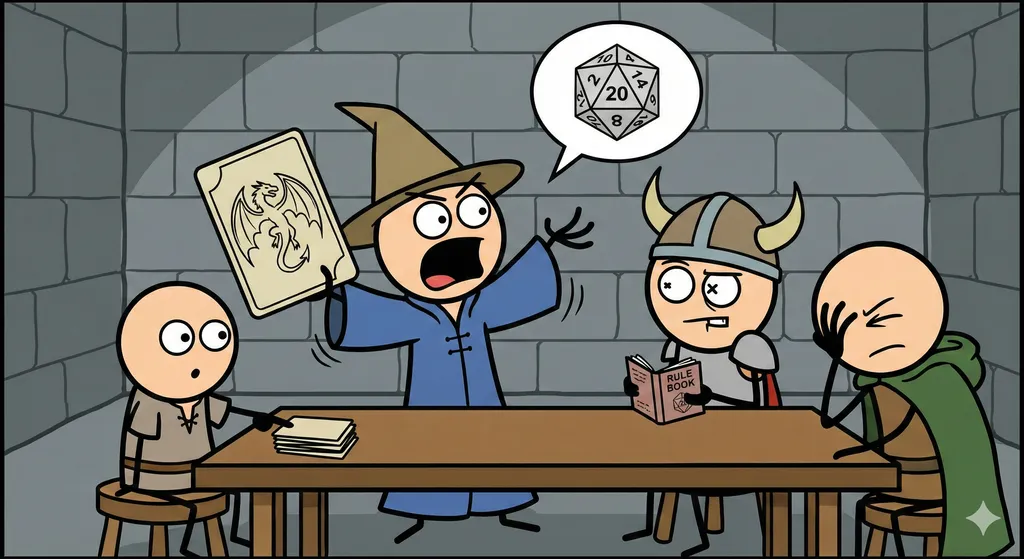
The recent piece from Meeple Mountain, "Your Friend Doesn’t Need to Become a Gamer Tonight," hits a nerve familiar to every veteran of the tabletop. It’s a crucial reminder that our enthusiasm, while admirable, can often be the greatest barrier to entry for potential new recruits. As GMs and dedicated players, we’ve all been there: the non-gaming friend expresses even a sliver of interest, and suddenly we’re mentally drafting a multi-session campaign arc, pulling out the heaviest box on the shelf, and preparing to lecture on the intricate nuances of our favorite system. Meeple Mountain’s advice is a timely, necessary intervention, urging us to step back and apply the same strategic thinking to player onboarding as we do to combat encounters.
This isn't about the crunch of dice rolls or the complexities of a character sheet; it’s about the mechanics of introduction itself. How do we effectively "teach the game" of tabletop gaming? The article's core advice, when distilled, offers a brilliant framework for effective player onboarding, akin to a well-designed Session Zero for a new player's entire hobby experience. First, start small. This means gateway games — those elegant designs with clear objectives, minimal setup, and intuitive turns. Think a quick round of King of Tokyo or Ticket to Ride, not a deep dive into Twilight Imperium 4th Edition. The goal is a taste, not a feast. Second, pacing is paramount. One game, one session. Allow them to absorb the core loop, enjoy the social interaction, and leave them wanting more, rather than overwhelmed. Don't immediately follow up with "Okay, next we're doing a 10-hour campaign of Gloomhaven!" Third, focus on fun, not mastery. We, as veterans, revel in optimizing builds, exploiting synergies, and mastering the meta. New players simply need to understand the basic flow and experience moments of genuine enjoyment. Guide them gently, offer suggestions without taking over, and celebrate their small victories. Fourth, find their "why". Does your friend enjoy puzzles? Storytelling? Strategic planning? Social deduction? Highlight the aspect of the game that aligns with their existing interests. This is about framing the experience in a language they already understand. Finally, cultivate the environment. A comfortable, low-pressure setting—good lighting, clear table space, snacks, and most importantly, zero judgment—can make all the difference. This isn't just about rules; it's about the entire table feel.
Our hobby has its own "lore" — the shared experiences, the rites of passage, the inside jokes, and yes, even the cautionary tales. We've all been "that guy" who pulls out the box "large enough to contain a microwave," fueled by a genuine, if misguided, desire to share the magic we've found. This impulse comes from a place of love. We remember our own first encounters, the games that hooked us: perhaps a charismatic DM running Dungeons & Dragons 5th Edition, a thrilling skirmish in Kill Team, or the intricate deck-building of Magic: The Gathering. We yearn to replicate that moment of epiphany for our friends. The "lore" here is the myth of the instant convert, the cinematic moment where the non-gamer friend sees the light and immediately pledges allegiance to the dice gods. But the reality, as Meeple Mountain so eloquently points out, is often a slow burn, an appreciation built brick by brick. It’s about cultivating a welcoming atmosphere, not just showcasing the deepest, most complex parts of our gaming world. Understanding our own journey into the hobby, and recognizing its gradual nature, is key to guiding others effectively.
This advice is not merely good; it's essential for the long-term health of our hobby. The "table feel" isn't just about the game itself, but the entire experience surrounding it. A poorly managed introduction can sour someone on tabletop gaming forever, creating a self-inflicted barrier to entry. Conversely, a gentle, well-paced entry, designed with empathy and foresight, can create a lifelong enthusiast. Consider the difference between dropping a new player into a high-level Pathfinder Adventure Path with an optimized, complex character sheet, versus guiding them through a concise, narrative-driven Shadowdark one-shot. The former overwhelms; the latter invites. Meeple Mountain’s piece champions the inviting approach. It advocates for humility and patience from the veteran, recognizing that our personal enjoyment of complexity doesn't directly translate to a newcomer's immediate appreciation. It fosters community growth by prioritizing positive first impressions over showcasing our entire collection. This isn't just about getting one friend to play; it's about expanding the entire player base, one well-chosen, well-explained game at a time. It’s about building a sustainable ecosystem of players, not just harvesting quick converts. By embracing these "soft skills" of onboarding, we ensure that the next generation of gamers finds our tables not intimidating, but irresistibly engaging.
Top Pick: Catan
Its elegant design and clear objectives make it the quintessential gateway game, perfect for easing new players into tabletop strategy without overwhelming them.
Check Price on Amazon →Related Stories
Resource Warfare: The Unseen Economy of Every Tabletop Game
Card Kingdom's latest deep-dive into Magic: The Gathering Draft strategy unveils universal truths about resource management. We dissect how these principles of
Beastkin Bonds: Ironclad Forges Deeper TTRPG Companionship
Ironclad Games' new Beastkin Bonds supplement for Aethelgard Chronicles promises a robust, tactical companion system. We break down the innovative mechanics and
D&D's Ayoub on OGL: Rebuilding Trust at the Table
Dan Ayoub, Head of Dungeons & Dragons, addresses the lingering OGL crisis, acknowledging the fragile nature of community trust. This editorial explores what his