
The Social Contract: When Shuffling Becomes Intimate
An analysis of the physical rituals within Magic: The Gathering and how the Commander format's social proximity creates unexpected table dynamics during deck randomization.
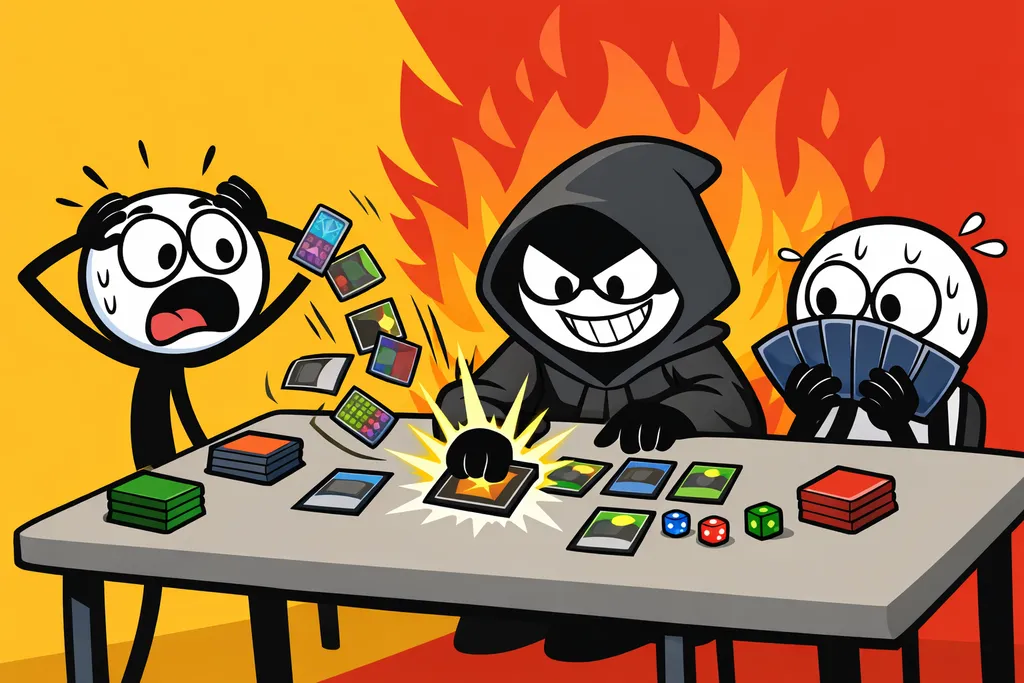
Magic: The Gathering, published by Wizards of the Coast, has always been a game of razor-thin margins and strict procedural fairness, but the human element often overrides the mechanical rigidity of the Commander format. While the Comprehensive Rules provide a framework for every interaction from layers to state-based actions, they rarely account for the physical proximity inherent in a four-person pod. The recent report of two players making accidental, intimate contact during a deck cut at a local single’s night highlights a truth we often forget in the age of digital clients: paper Magic is a contact sport of the soul.
To understand why a simple hand-touch carries such weight, we must look at the crunch. According to Rule 103.1, after a deck is shuffled, it must be presented to an opponent for a final shuffle or cut. In the Commander Format, also known as EDH, this is a ritual of trust. You are handing over a deck that likely contains hundreds, if not thousands, of dollars in cardboard. The physical act of the cut is the final mechanical step before the game begins. It is the moment where the randomization is verified by a rival. When two players reach for that stack simultaneously, it is a collision of two distinct tactical spheres. It is a breakdown of the unspoken turn order that governs our physical movements at the table. This is not just about randomization; it is about the transfer of agency. For a brief moment, your opponent holds your entire strategy in their hands.
The lore of this situation isn't found in the flavor text of a legendary creature, but in the social fabric of the Local Game Store. The LGS serves as a modern-day tavern, a neutral ground where the only currency that matters is your knowledge of the stack and your willingness to engage with the community. For years, the community has cultivated a Rule 0 philosophy—a pre-game conversation intended to align expectations. Usually, this covers power levels and banned cards, but the Valentine’s Day Single’s Night context adds a layer of emotional stakes that no high-quality playmat can fully protect against. We are seeing the emergence of a new kind of table feel, where the friction of the physical world interacts with the sterilized logic of the game. The lore here is the shared history of the players at the table, a narrative built through years of Friday Night Magic and late-night EDH sessions.
From a veteran perspective, these moments are vital for the health of the hobby. We have seen a massive push toward digital platforms like MTG Arena, which automate the shuffle and remove the opponent's physical presence entirely. While efficient, Arena lacks the friction that makes Magic a communal experience. The hand-touch incident is a reminder that we are not just playing against algorithms; we are playing against people with their own quirks, anxieties, and intentions. The Commander format thrives on this. It is a format built on politics, deals, and betrayal. You cannot look a player in the eye and negotiate a temporary alliance over a Discord channel with the same weight as you can across a cluttered table of dice and tokens. The physical space between players—the Command Zone, if you will—is where the real game is played.
The verdict on this kind of escalated tension? It is exactly what the game needs. We should embrace the awkward, the intimate, and the human. The mechanical rigidity of Wizards of the Coast’s flagship title provides the skeleton, but the players provide the heart. When the social contract and the mechanical rules collide—quite literally, in the case of these two players—it creates a narrative that no scripted lore could replicate. Whether this leads to a long-term partnership or just a funny story at the next Pre-release, it reinforces the idea that the most powerful card in any deck is the person sitting across from you. The Commander format is at its best when it forces us to interact, not just as mages, but as people sharing a physical space.
Top Pick: Dragon Shield Matte Sleeves
If you are going to have strangers touching your deck, ensure it has the best tactile protection available.
Check Price on Amazon →Related Stories
The Commander Resurrection: Sorting Through the Cardboard Chaos
A veteran player returns to Magic: The Gathering, tackling the logistical nightmare of a 2,000-card collection to build a custom Commander deck.
WotC’s Sparky Scandal: Why the Human Element Still Rules the Table
If Sparky is just an unpaid intern in a digital suit, it proves that even the biggest gaming giants can't replicate the chaos of a human mind at the table.
Beyond the Box: Optimizing Lorwyn Eclipsed Commander Precons
Lorwyn Eclipsed's Commander preconstructed decks offer a solid foundation, but unlocking their true potential requires strategic upgrades. This deep-dive explor