
The UB Paradox: Licenses, Reprints, and Magic's Future
Wizards of the Coast's Universes Beyond initiative brings beloved IPs to Magic: The Gathering, but their limited licensing deals raise significant questions about future card availability. This potential scarcity, reminiscent of the infamous Reserved List, poses a unique challenge to the game's long-term health and player accessibility.
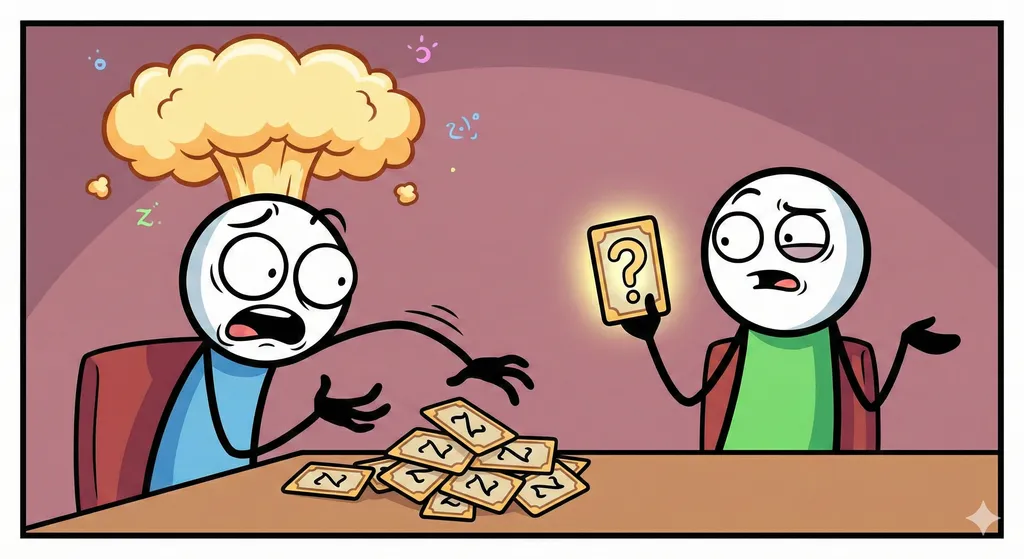
Magic: The Gathering, from Wizards of the Coast, stands at a fascinating crossroads. The Universes Beyond initiative, a bold venture into licensed intellectual properties, has already seen the likes of Teenage Mutant Ninja Turtles grace our playmats and promises more with Marvel: Superheroes, The Hobbit, and Star Trek on the horizon for 2024. While the allure of iconic characters battling alongside Planeswalkers is undeniable, a significant mechanical and economic shadow looms: the specter of reprintability, echoing the infamous Reserved List.
At its core, the Universes Beyond reprint predicament is a matter of contractual obligation. Unlike Magic's own IP, where Wizards of the Coast holds perpetual rights to its characters, settings, and mechanics, external IPs are governed by finite licensing agreements. When a deal for, say, The Hobbit expires, WotC's ability to print new copies of those specific cards ceases. This isn't a policy decision like the Reserved List, which was a deliberate commitment to not reprint a specific set of older cards to preserve their collectible value. Instead, it's a legal one, imposed by external rights holders. The practical outcome, however, is strikingly similar: artificial scarcity. Key cards, especially powerful staples or unique effects that define a strategy in formats like Commander or even Modern, could become permanently locked into their initial print run. This drives secondary market prices sky-high, creating a barrier to entry for new players and frustrating veterans looking to complete their collections or experiment with new archetypes. Imagine a critical piece of a Commander deck becoming unobtainable except at exorbitant prices simply because its IP license lapsed. The game's health relies on accessibility, and this mechanism directly undermines it.
Beyond the cold mechanics of card availability, Universes Beyond presents a significant challenge to Magic's cherished lore. For decades, the multiverse has been a carefully constructed tapestry of planes, characters, and interconnected narratives. The sudden arrival of Frodo Baggins or Captain Kirk, while exciting to some, undeniably introduces a jarring element for others. How do these characters, often tied to very specific narrative frameworks, fit into the broader Magic cosmology? Are they considered alternate-reality visitors, new Planeswalkers, or simply non-canon fun? The answer often feels nebulous, leading to a 'lore bleed' that some players find dilutes the unique identity of Magic's own worlds. While the 'Silver Border' approach for some UB products provides a clear distinction, the integration of others into black-border play forces a suspension of disbelief that not every player is willing to make. This isn't just about 'flavor text'; it's about the very narrative integrity that has sustained Magic's engagement for thirty years.
So, is Universes Beyond good for Magic: The Gathering? The answer, like many things in our hobby, is nuanced. For new players, UB is an undeniable gateway. Seeing familiar faces from Marvel or Star Trek on a Magic card can be the exact hook needed to pull them into the game, expanding the player base. This is a vital function for any long-running TCG. However, for the veteran player, particularly those invested in the game's economy and lore, the long-term implications are concerning. The potential for 'pseudo-Reserved List' cards to emerge from UB sets creates an unstable future for specific archetypes and formats. It forces players to either acquire these cards early at potentially inflated prices or risk being priced out forever. While proxies offer a solution for casual play, competitive formats and official events require legitimate cards, placing a heavy burden on players. The joy of a diverse and evolving card pool clashes with the fear of permanent scarcity. Wizards of the Coast must tread carefully, perhaps by offering 'functional reprints' with generic Magic IP art where possible, or by clearly signaling which UB cards will be eternal staples versus fun, ephemeral additions. Without a clear strategy, the excitement of new IPs could morph into the frustration of an ever-shrinking accessible card pool, harming the very community it seeks to grow.
Top Pick: Commander Masters Draft Booster Box
A fantastic way to acquire powerful reprints for your Commander decks and experience a unique draft environment.
Check Price on Amazon →Related Stories
Marvel Legends Land in MTG Boosters: A Crit Sheet Deep Dive
Wizards of the Coast confirms that legendary creatures from the 2024 Marvel Secret Lair superdrop will also appear in the upcoming Magic: The Gathering Marvel c
Marvel's Might Meets Magic: Secret Lair's Comic Crunch
Wizards of the Coast's latest Magic: The Gathering Secret Lair, featuring classic Marvel Comics, promises a blend of iconic heroes and villains with beloved car
The Hobbit in MTG: A Deep Dive into Middle-earth's Mechanics
Wizards of the Coast is bringing J.R.R. Tolkien's The Hobbit to Magic: The Gathering via Universes Beyond. This article explores the potential mechanics and lor