
When The Cards Don't Land: MTG & Marvel Delays Disrupt Play
Recent reports from Star City Games confirm significant product delays impacting Magic: The Gathering and various Marvel Super Heroes products across five key regions. This isn't just a logistical blip; it's a systemic issue with profound implications for the game's meta, narrative, and community health.
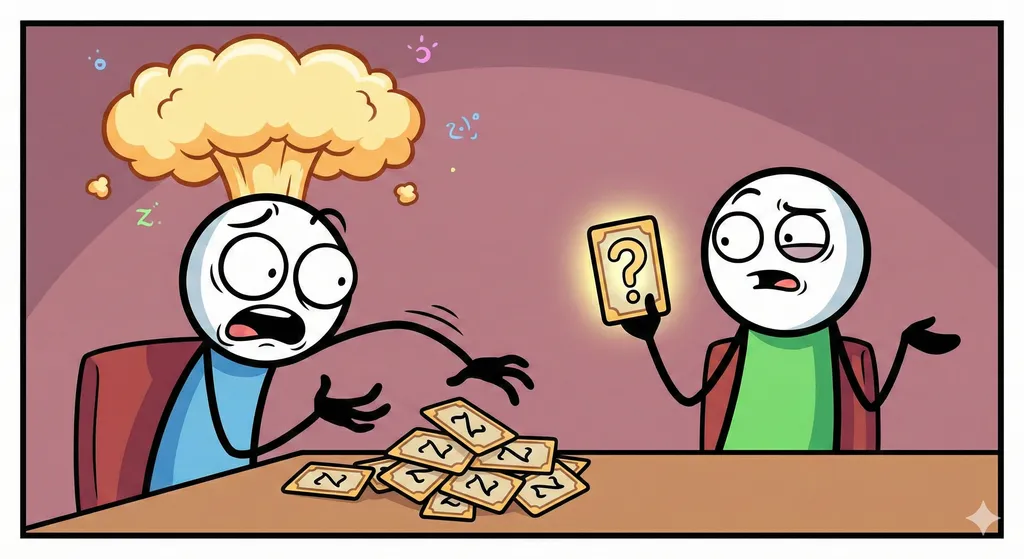
The latest bulletins from Star City Games confirm a frustrating reality: Product delays are set to impact Magic: The Gathering and various licensed Marvel Super Heroes products across multiple regions. While the official communication points to supply chain woes, for those of us who live and breathe tabletop, this isn't just a shipping hiccup; it's a recurring symptom of a deeper malaise that erodes player trust and disrupts the very rhythm of our communities.
Let’s peel back the corporate veneer and examine the raw mechanics of these delays. For Magic: The Gathering, every set release is a delicate dance. There's the spoiler season, the pre-release weekend, the official launch, and then the weeks of meta-game refinement. When a product wave is delayed, especially one as fundamental as a new core set or a major expansion, the entire competitive landscape stagnates. Commander players, who eagerly await new legendary creatures and potent synergies, find their brewing plans on hold. Standard, Pioneer, and Modern players are forced to grind stale match-ups for longer, diminishing engagement and making the meta feel less dynamic. Furthermore, the secondary market, a vital organ of the game’s economy, becomes volatile. Card prices fluctuate wildly based on speculation and scarcity, punishing both collectors and those simply trying to complete a deck. The carefully calibrated balance of a new set's impact is thrown into disarray, sometimes even leading to a 'dead meta' where innovation stalls until the new cards finally arrive. This isn't just inconvenient; it’s a mechanical disruption to how the game is played and evolved.
Beyond the raw crunch of card interactions and meta shifts, these delays strike at the heart of Magic's evolving lore and the narrative threads woven through its sets. Wizards of the Coast has, in recent years, invested heavily in telling grand, overarching stories across multiple sets, with each release pushing the Planeswalker saga forward. When a set is delayed, the story spotlight cards, the character reveals, and the crucial plot beats are all thrown out of sync. Imagine reading a compelling fantasy novel only for several chapters to be mysteriously absent, or arriving months late. The immersion is broken, the anticipation curdles into frustration, and the sense of being part of a living, breathing multiverse diminishes. Similarly, for narrative-driven Marvel licensed games like Marvel Champions LCG or Marvel Crisis Protocol, delays in new hero packs or scenario expansions mean the unfolding sagas of villains and heroes are paused indefinitely. The narrative momentum, a key component of player engagement, is simply lost in transit.
So, what's the verdict for the table? These delays are unequivocally detrimental. They breed cynicism and frustration within the player base. We've seen this dance before, and each recurrence further erodes the goodwill and trust that publishers need to foster a healthy community. Local game stores (LGS), the lifeblood of our hobby, bear the brunt of these issues. Pre-release events are cornerstone revenue generators and community-building opportunities. When these are impacted or cancelled, it's a direct hit to the bottom line of small businesses already operating on thin margins. The enthusiasm that builds up around a new release, the shared excitement of cracking packs and discovering new mechanics, is dampened by uncertainty. It communicates a lack of control and respect for the player's time and investment. The Crit Sheet has long advocated for transparency and reliability from major publishers, and these recurring issues from Wizards of the Coast highlight a persistent struggle that needs more than just platitudes about supply chains. It needs robust planning and better communication with the very communities that sustain these games.
Top Pick: Shadowdark RPG
A refreshingly consistent and engaging experience from an indie publisher, free from corporate production woes.
Check Price on Amazon →Related Stories
The Apex of Commander: Decoding Competitive Play at the Affinity Gauntlet
Star City Games' 'The Spike Feeders: Last Chance Commander Qualifier' signals a pivotal moment for competitive Commander. This deep dive explores the high stake
MTG Marvel Delay: WotC's Consistency Crisis Hits Hard
Magic: The Gathering's highly anticipated Marvel Super Heroes set has been delayed, marking the fourth consecutive set from Wizards of the Coast to face such a
The Spike Feeders' Affinity Gauntlet: A Commander Meta Forged in Metal
Star City Games and The Spike Feeders are hosting the Affinity Gauntlet Championship, a high-stakes Commander tournament. We dissect the mechanical implications