
Wizards' Ban Hammer Reshapes the Magic Meta: A Deep Dive
Wizards of the Coast dropped a seismic ban list update, shaking multiple Magic: The Gathering formats. We dissect the mechanical implications and the community's reaction to these pivotal changes.
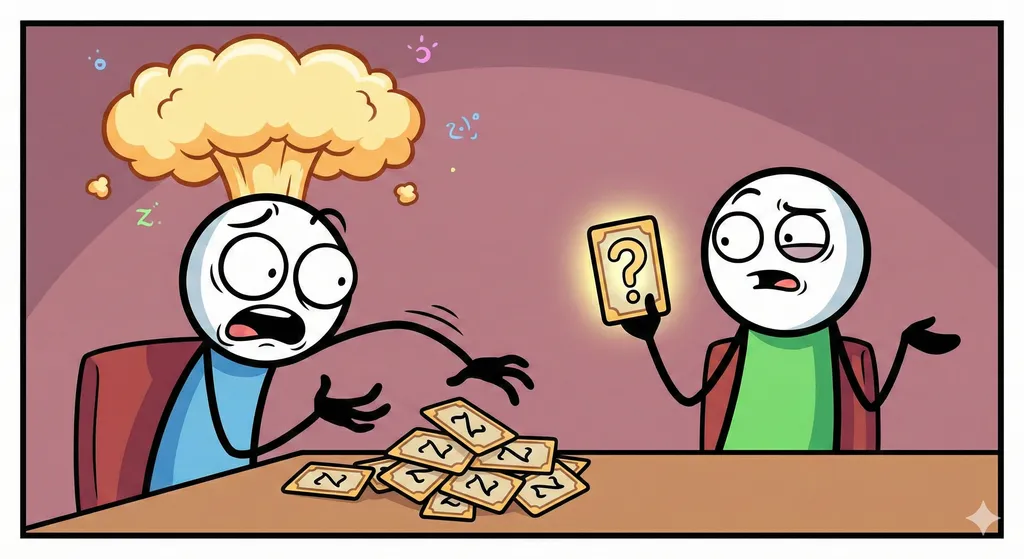
The air around the Planeswalker community crackled last week as Wizards of the Coast unveiled a ban list update for Magic: The Gathering that was anything but minor. This wasn't a surgical strike; it was a broad, format-spanning declaration, designed to recalibrate the very foundations of competitive play across multiple beloved formats.
At the heart of this meta-shaking announcement were two cards that have, for varying reasons, become pillars of oppressive strategies: Badgermole Cub and Grandma's Heirloom. Let's dig into the crunch. Badgermole Cub, a deceptively innocuous 1-drop creature, had become a lynchpin in Modern and Pioneer’s fastest combo and aggressive shells. Its ability to generate two mana of any color upon entering the battlefield, coupled with a self-sacrifice clause that drew a card, meant that turn-two wins or insurmountable board states were becoming distressingly common. It enabled ludicrous cascades of spells, turning interactive games into solo performances. The Cub's banning in both Modern and Pioneer aims to slow down these hyper-efficient engines, forcing players to engage in more protracted, skill-intensive games rather than simply racing to an inevitable conclusion. Deck builders will now scramble to find new early-game accelerants that don't warp the format quite so severely.
Then there’s Grandma's Heirloom, an artifact that quietly dominated Legacy and Commander tables. For a mere one generic mana, this artifact allowed its controller to sacrifice it to return any permanent from their graveyard to their hand, with a bonus of scrying 2. While seemingly fair on paper, its synergy with untap effects and graveyard recursion loops made it an engine of infinite value. In Legacy, it fueled deterministic combo decks that could assemble game-winning loops with alarming consistency. In Commander, it was an ever-present threat, enabling players to loop powerful enters-the-battlefield effects or protect their most vital pieces indefinitely, stifling interaction and pushing out less resilient strategies. The ban here is a clear signal that infinite value engines, especially those that are so cheap and repeatable, will not be allowed to dictate the pace of these formats.
From a lore perspective, it’s always fascinating to see how the mundane or even whimsical — a 'Badgermole Cub' or a 'Grandma's Heirloom' — can become mechanically monstrous. The flavor text of the Cub might speak of playful burrowing, but its reality was a turn-one mana explosion. Grandma's Heirloom, with its quaint imagery, became a symbol of inescapable recursion. It’s a stark reminder that in Magic, the narrative isn't just in the flavor text; it's in the unfolding game state. When a card’s mechanics create a story of non-interactivity and inevitability, it breaks the larger narrative of varied strategies and dynamic interaction that makes the game so compelling. The removal of these cards is, in a way, a re-establishment of the Multiverse’s delicate balance, where no single entity, however small or unassuming, can unilaterally dictate the fate of all planes.
So, what’s the verdict at the table? This ban list update is, unequivocally, a net positive for the health of Magic: The Gathering. While there will undoubtedly be a period of adjustment and frustration for players who had invested heavily in these strategies, the long-term benefits of a more diverse and interactive meta far outweigh the temporary disruption. Modern and Pioneer will see a resurgence of mid-range and control archetypes, as the pressure to out-race lightning-fast combos is alleviated. Legacy, often considered the bastion of powerful, ancient spells, will finally see some of its more oppressive loops curtailed, opening doors for innovative deck design. Commander, ever the format of choice for creative expression, will breathe a sigh of relief as one of its most ubiquitous and frustrating engines is removed, fostering more varied and less deterministic gameplay. This isn't about punishing players; it's about pruning the garden to allow new, vibrant growth. For those looking to explore new archetypes in Commander, consider picking up some of the new Commander precons to jumpstart your collection.
These bans reinforce Wizards' commitment to maintaining dynamic and engaging formats. It’s a necessary intervention, much like a seasoned Game Master adjusting house rules that inadvertently break their campaign. The game is better when strategy, adaptation, and interaction are paramount, not simply the efficient execution of a predetermined sequence. We eagerly await the innovations and new top-tier contenders that will undoubtedly emerge from this reshaped landscape.
Top Pick: Modern Horizons 3
Excellent set for injecting new life and strategic depth into Modern
Check Price on Amazon →Related Stories
Commander's True Power: Unearthing the Sleeper Engine
The latest Commander Clash podcast dug into sleeper cards. We analyze how these overlooked pieces can redefine your Magic: The Gathering strategy and power up y
The Unsleeved $30 Commander: A Return to EDH's Core
Exploring the surprisingly robust world of $30 unsleeved Commander decks, this deep dive dissects how extreme budget constraints foster innovative deckbuilding.
Protection: Commander's Unyielding Shield Against the Meta
The recent Commander Clash discussion on Protection spells highlights a fundamental, often misunderstood, mechanic in Magic: The Gathering. We delve into why th