
D&D Finally Embraces Its 5.5e Identity, Ending Branding Chaos
Wizards of the Coast's long-awaited D&D iteration finally receives a sensible name: 5.5e. This move promises mechanical refinement and lore continuity, benefiting veteran players and new adventurers alike.
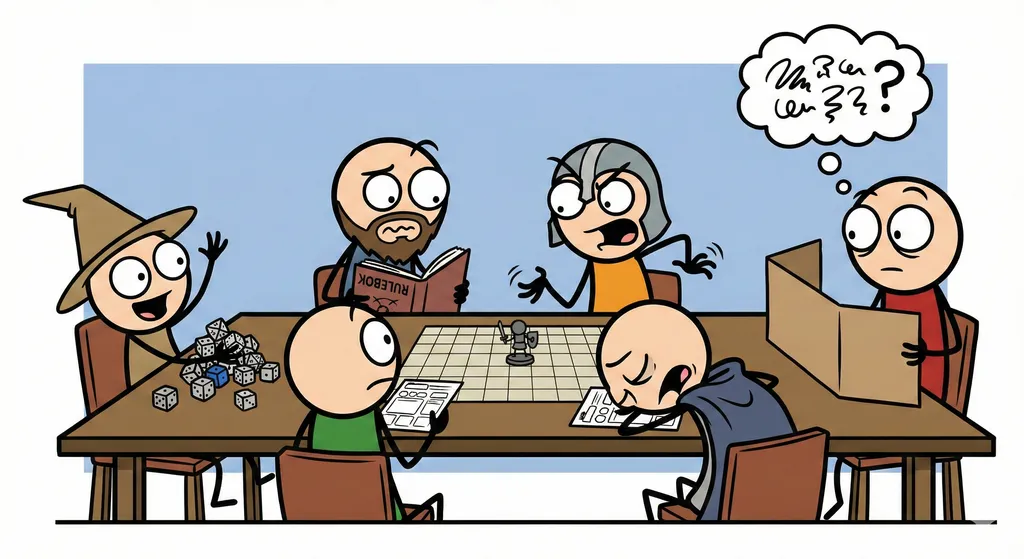
The long-gestating, oft-rebranded iteration of Dungeons & Dragons is finally receiving an official, sensible designation from Wizards of the Coast: 5.5e. After years of vague promises about “the future of D&D” and various code names, this commitment to a clear evolutionary step rather than a revolutionary leap is a welcome, if overdue, development for the entire tabletop community.
From a purely mechanical standpoint, the shift to a ‘.5e’ designation carries significant implications. It signals refinement, not reinvention. We're not looking at a wholesale discard of the core rules that made 5th Edition the most popular TTRPG in history. Instead, anticipate targeted adjustments to address common pain points and enhance player experience. Expect a careful re-evaluation of the martial-caster power disparity, perhaps through revised combat maneuvers for weapon users or more granular spellcasting components. Feats and backgrounds, which were often seen as optional or underdeveloped, are likely to receive a more prominent, integral role in character creation, allowing for deeper customization from level one. The intent here isn't to break what's working, but to polish the rough edges, clarify ambiguous rules, and integrate lessons learned from a decade of playtesting and community feedback. This approach, favoring iterative improvement over a hard reset, should mean less relearning for GMs and players, allowing them to focus on the narrative rather than constantly checking revised rulebooks.
Lore-wise, the 5.5e branding is a massive win for worldbuilding and narrative continuity. A full 6th Edition often implies a soft reboot of the setting, a reinterpretation of established lore, or even a full timeline shift. By sticking to 5.5e, Wizards of the Coast reassures us that the Forgotten Realms, Eberron, Ravenloft, and all the other beloved settings will remain largely intact and consistent with their current iterations. This means your ongoing campaigns, your meticulously crafted homebrew worlds, and your established character backstories won't suddenly become anachronistic. Instead, the mechanical tweaks of 5.5e can subtly enhance the lore. Perhaps new monster abilities will reflect deeper ecological niches, or revised subclass features will offer fresh perspectives on classic factions. The emphasis on continuity allows GMs to seamlessly weave these mechanical updates into their existing narratives, enriching the tapestry rather than unraveling it. The community’s investment in the Player's Handbook and its supporting lore material remains protected and valued.
Is this good for the table? Absolutely. The biggest advantage of a 5.5e approach is the preservation of player investment. Your existing character sheets, your adventure modules, and your mental models of how D&D works will largely remain valid. Game Masters won't be forced to scrap years of prepared material or retrain their players from scratch. It fosters an environment of evolution, not obsolescence, which is crucial for a game with such a massive install base. While there will inevitably be a learning curve for the specific changes, it will be a gentle slope rather than a sheer cliff. This clear branding finally offers stability, allowing the community to anticipate specific improvements rather than speculate wildly about a completely unknown future. It allows us to carry forward the best of 5th Edition while addressing its limitations, ensuring the game remains vibrant and engaging for years to come.
Top Pick: Monster Manual (5th Edition)
Essential for adapting existing adventures and understanding creature design philosophy within the D&D 5.5e ecosystem.
Check Price on Amazon →Related Stories
Beyond the Algorithm: D&D's Audience Demands Artistry
Hasbro's CEO confirms AI isn't used in D&D's creation, citing the game's unique audience. This editorial explores the implications for creative integrity and th
D&D's Seasonal Shift: Organized Play Reimagined for 2026
Wizards of the Coast unveils its 2026 D&D Seasons and a revised Organized Play structure. We break down what this means for your campaigns, character progressio
Melf's Greyhawk Guide: A Legacy Reborn at the Table
Luke Gygax prepares to unleash Melf's Guide to Greyhawk, promising a deep dive into the Flanaess. We dissect what this means for mechanics, lore, and the enduri