
Goodwill Goldmine: The Unpacking of 26 Pounds of Magic's Legacy
A recent MTGGoldfish report details a colossal 26-pound Magic: The Gathering card haul from Goodwill, igniting discussions on value, community, and the game's enduring accessibility. This discovery isn't just about monetary worth; it's a testament to the vibrant ecosystem of Wizards of the Coast's premier TCG.
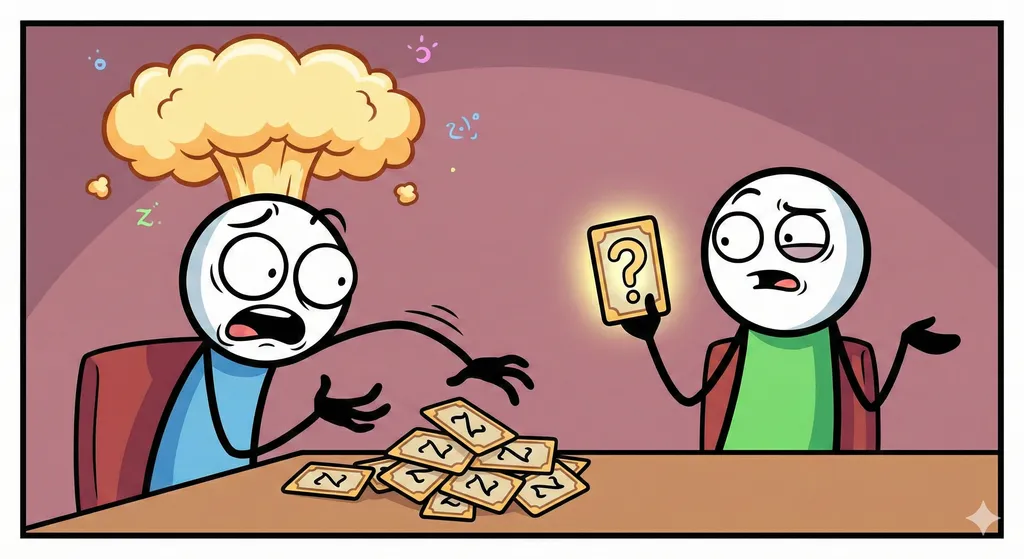
The Crit Sheet has been abuzz this week with news from MTGGoldfish: a monumental 26-pound acquisition of Magic: The Gathering cards from a Goodwill outlet, a discovery that cuts right to the heart of what makes Wizards of the Coast's venerable TCG so enduring. This isn't just a quirky anecdote; it's a profound statement on the game's lifecycle, its economy, and the sheer volume of stories—both mechanical and narrative—that exist within its cardboard confines. For veteran players and new enthusiasts alike, such a find represents more than just potential value; it's a tangible link to Magic's rich past and its ever-evolving present.
Let's talk crunch. Twenty-six pounds of Magic cards isn't merely a pile; it's a data set awaiting analysis. The "mechanics" of processing such a haul are a game in themselves. First, the sheer logistical challenge: sorting through tens of thousands of cards. This isn't just about pulling out foils or mythic rares; it's about identifying sleeper commons and uncommons that have gained unexpected utility in formats like Pauper or Commander Format. The mechanical process involves a rigorous system of identification: set symbols, rarity indicators, and print dates. Players often develop incredibly efficient methods, akin to a well-oiled factory line, to categorize by set, color, and card type.
Beyond initial sorting, the true mechanical depth lies in value assessment. A card’s power level, its synergy with existing strategies, its art, and its condition all contribute to its market standing. Is that slightly played Birds of Paradise from 7th Edition more valuable than a near-mint foil from a recent set? The intricacies of print runs, gateway cards for new players, and competitive meta shifts all play a role. This Goodwill haul forces a deep dive into the secondary market's mechanics, where scarcity meets demand, and where a card's "playability" often dictates its monetary worth, sometimes decades after its initial release. It’s a testament to the robust, player-driven economy that underpins Magic: The Gathering, far beyond the initial booster pack purchase.
While the crunch is fascinating, the fluff here is equally compelling. Each of those 26 pounds is a repository of stories. Every card, regardless of its individual market value, carries a piece of Magic's extensive lore. From the ancient planeswalkers of Dominaria to the intricate factions of Ravnica, from the horrors of Innistrad to the futuristic cityscape of Kamigawa: Neon Dynasty, the art and flavor text are portals to countless worlds and narratives. Imagine the journey of these cards: from a carefully curated collection to a casual discard, from a cherished deck to an overlooked box in an attic, finally landing in a donation bin. They are artifacts of player history, bearing the faint scent of countless game nights, the smudges of enthusiastic shuffling, and the subtle bends from a well-loved sleeve.
This find isn't just about uncovering valuable cardboard; it's about unearthing the collective memory of Magic players. It’s a physical manifestation of the game’s evolution, showcasing different eras of art direction, rules text formatting, and creative vision. The lore of Magic isn't just in its official story lines; it's in the hands that held these cards, the tables they graced, and the duels they decided. This Goodwill discovery is a poignant reminder that even the most common of cards have a story, contributing to the grand tapestry of the multiverse and the personal sagas of its players.
So, what does a discovery of this magnitude mean for the table? It’s unequivocally a net positive. First, it injects a jolt of pure, unadulterated excitement into the community. The "treasure hunt" aspect of Magic is a powerful draw, and tales like this fuel that spirit. For local game stores, this can mean an influx of cards for their bulk bins, new inventory for their singles cases, and renewed interest from players looking to trade or sell their own finds.
More importantly, it speaks to accessibility. Not every player can afford the latest chase rares. Finds like this redistribute cards, often making staples or interesting niche pieces available at a fraction of their usual cost, either directly from the finder or through the secondary market. This is particularly vital for formats like Commander, where players revel in building unique, budget-friendly decks. It encourages creativity, allowing players to experiment with cards they might not have otherwise considered. It reinforces the idea that Magic isn't solely a premium product; it's a game with a vibrant, democratic secondary market where gems can be found in the most unexpected places. This kind of find invigorates the casual scene, reminding everyone that the joy of Magic often lies in discovery, community, and the shared experience of unearthing forgotten power. It’s a powerful testament to the game’s enduring appeal and its robust, player-driven ecosystem.
Related Stories
The Foundation of Power: Deciphering Commander's Dual Land Hierarchy
A deep dive into the critical role of dual lands in Magic: The Gathering's Commander format, exploring their mechanics, impact on gameplay, and the ongoing deba
Secret Lair's Retro Resurgence: Nostalgia, Art, and the Double Buy
Wizards of the Coast's latest Magic: The Gathering Secret Lair evokes classic aesthetics, but its peculiar offering structure demands a double purchase for many
MTG's Land System: Design Flaw or Enduring Genius?
Magic: The Gathering's iconic land system often stands alone among its TCG peers. We examine if this unique resource model is a design flaw or a crucial element