
MTG's Secret Arcana: A Deeper Dive into Tarot's Influence
Wizards of the Coast has been subtly weaving the Major Arcana of the Tarot into Magic: The Gathering card designs. This quiet cycle imbues iconic characters with archetypal significance, adding layers of thematic depth for observant players.
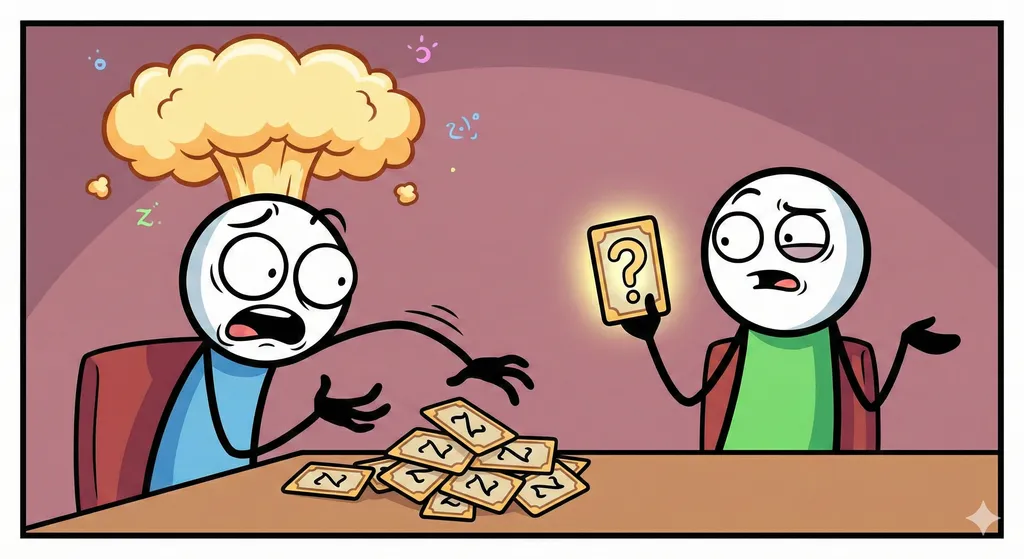
The multiverse of Magic: The Gathering is a vast tapestry of planes, characters, and intricate mechanics, all meticulously crafted by Wizards of the Coast. Yet, beneath the surface of new sets and evolving metas, a fascinating and increasingly evident design pattern has begun to emerge: a subtle, growing cycle of cards embodying the Major Arcana of the Tarot.
This isn't a new keyword or a flashy set mechanic; it's a design philosophy, a whisper within the crunch that rewards the observant player. For years, we've seen cards that, whether by accident or intent, resonate profoundly with these ancient archetypes. But now, the pattern is becoming clearer, suggesting a deliberate, long-term project by designers to imbue specific, often legendary, creatures and spells with the essence of The Fool, The Magician, The Empress, and more.
Mechanically, how does this manifest? It's not about a 'Tarot' card type, but rather the holistic design of a card reflecting its Arcana. Consider 'The Fool': often represented by a character taking a leap of faith, embracing uncertainty, or embarking on a journey. Mechanically, such cards might involve high-risk, high-reward effects, random outcomes, or abilities that trigger upon entering or leaving the battlefield in an unconventional manner. A card embodying 'The Magician' might offer powerful manipulation of the stack, the hand, or permanents – a master of will and resources, like a planeswalker with versatile loyalty abilities. 'Strength' would naturally be a creature with immense power and resilience, perhaps with a protective ability or a cost reduction for sheer brute force. The beauty lies in the subtlety; these aren't explicit labels but rather thoughtful alignments of mana cost, card type, abilities, and flavor text that resonate with the Arcana's core meaning. This design choice adds a rich, intellectual layer to evaluating card strength and potential synergy, particularly in formats like Commander where thematic connections often drive deck construction.
From a lore perspective, this cycle deepens the narrative resonance of key Magic characters. Instead of simply being powerful individuals, they become embodiments of universal archetypes. This isn't just a clever Easter egg; it's a way to imbue characters with a timeless, mythic quality that transcends their individual plane's narrative. When a planeswalker like Jace Beleren, with his mastery over minds and illusions, subtly aligns with 'The Magician,' or a steadfast guardian like Avacyn, Angel of Hope, embodies 'Justice' or 'The Empress,' their stories gain an additional layer of universal significance. It suggests that across the vast multiverse, certain fundamental forces and personality traits recur, given form through the game's most iconic figures. This approach enriches the lore by connecting it to archetypal storytelling traditions, allowing players to find deeper meaning in their favorite characters and their struggles. It’s a masterful piece of worldbuilding, extending the narrative beyond mere plot points into the realm of timeless symbolism.
So, is this good for the game? Absolutely. For veteran players, it offers a new lens through which to appreciate card design and character development. It rewards deep engagement with both the mechanics and the flavor, transforming mere card evaluation into a more holistic, almost interpretive art form. It adds a subtle layer of sophistication that distinguishes Magic: The Gathering from many of its contemporaries, demonstrating the depth of thought that goes into its creation. For new players, while perhaps initially unnoticed, it subtly enriches the experience, giving characters a pre-established, intuitive gravitas. This kind of thoughtful, long-game design is precisely what keeps the community engaged and ensures the game's enduring legacy. It’s a testament to the power of thematic design to elevate the entire experience, proving that sometimes, the most impactful innovations are those whispered, not shouted. For those looking to explore how these archetypes might influence their next deck, I highly recommend diving into the existing card database and looking for patterns. The Magic: The Gathering Card Database is an excellent resource for this kind of deep-dive research.
Top Pick: Commander Legends: Battle for Baldur's Gate
Features numerous legendary creatures ripe for thematic interpretation and often embodying archetypal roles.
Check Price on Amazon →Related Stories
Smaug's Common Calamity: A Dragon's Design Dilemma
Smaug, the Great Calamity, from the new Magic: The Gathering The Hobbit expansion, has stunning art. Yet, as a common, its power level sparks debate on design c
Hobbit Hordes: Budget Bites & Middle-earth Mastery in Commander
MTGGoldfish recently showcased four budget-friendly Hobbit Commander decks, exploring their mechanical depth and thematic resonance. These builds offer accessib
Beyond HP: The Nuance of Strain in TTRPG Design
Exploring the rich landscape of strain mechanics in tabletop RPGs, from sanity to spell slots. We delve into how these systems elevate narrative and challenge p