
Beyond HP: The Nuance of Strain in TTRPG Design
Exploring the rich landscape of strain mechanics in tabletop RPGs, from sanity to spell slots. We delve into how these systems elevate narrative and challenge players beyond simple hit points.
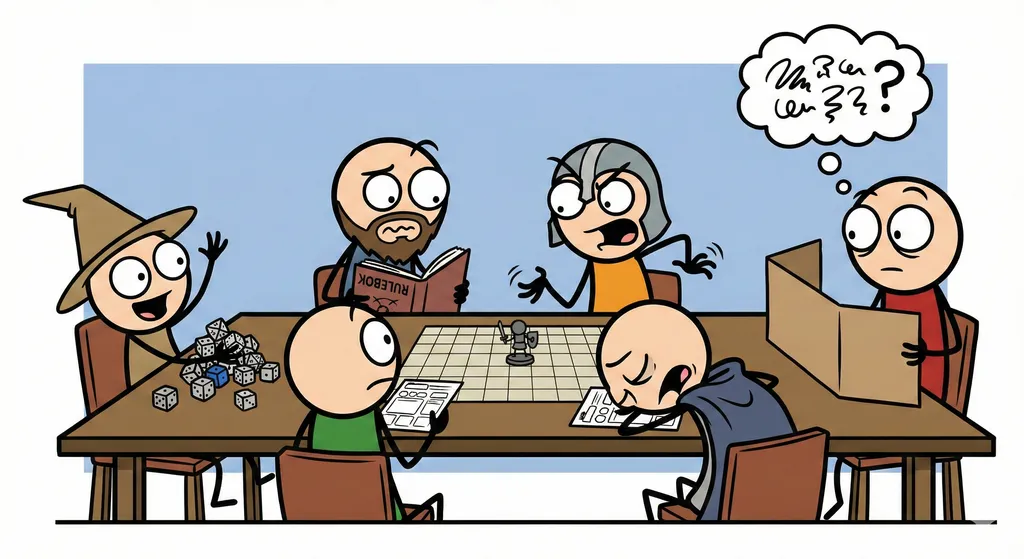
The annual #RPGaDAY challenge often unearths hidden gems of design philosophy, and this year’s Day 13 prompt, 'Strain,' from The Kind GM, has sparked a fascinating industry-wide conversation. It's not about a single new game from a specific publisher, but rather the collective evolution of how we, as designers and players, quantify the toll adventure takes on our characters. For too long, 'damage' was synonymous with 'hit points,' a monolithic counter that often failed to capture the true cost of peril. But the modern TTRPG landscape is richer, more nuanced, and far more demanding of its heroes, thanks to an increasingly sophisticated array of strain mechanics.
At its core, a strain mechanic is any system that tracks a character's diminishing capacity for action or resilience, distinct from their immediate physical vitality. While hit points remain the bedrock of physical endurance, they rarely tell the whole story. Consider the classic D&D 5th Edition spell slot system: a wizard isn't just counting numbers; they're managing their mental fortitude, the very wellspring of their arcane power. Casting a powerful spell isn't simply spending a resource; it's a significant mental exertion, a moment of vulnerability. This is strain. Similarly, 5e's exhaustion levels, from a minor penalty to eventual death, model physical and mental weariness far beyond simple injury.
Then there are the more specialized forms. Sanity mechanics, famously pioneered and perfected in games like Call of Cthulhu 7th Edition, represent the fracturing of the mind under cosmic horror. It's not about being 'hurt' but being 'broken.' Morale systems, prevalent in many wargames and some grittier RPGs, quantify a character's will to fight, their courage in the face of overwhelming odds. A soldier might be uninjured but break and flee due to a failed morale check. Indie darlings like Blades in the Dark use a 'Stress' track that accumulates from risky actions, leading to 'Consequences' like trauma or lasting conditions – a brilliant example of emotional and psychological strain made mechanical. Even resource management for things like ammunition, torches, or rations can be seen as a form of strain, forcing players to confront the logistical toll of their adventures.
The true brilliance of these mechanics lies in their ability to deepen the narrative and enhance immersion. Hit points tell you *if* a character is hurt; strain mechanics tell you *how* they are hurting, and more importantly, *why* it matters. A character losing sanity isn't just taking damage; they're succumbing to existential dread, their perception of reality warping. A spellcaster running out of spell slots isn't merely out of options; they are mentally exhausted, their mind a barren wasteland after channeling raw magic. This isn't just crunch for crunch's sake; it’s fluff made mechanical, a direct translation of the setting's dangers into tangible gameplay consequences. Long-term fatigue, psychological trauma, or the erosion of a character's very spirit become narrative anchors, providing compelling roleplaying prompts and pushing players to make difficult choices.
So, are these elaborate strain systems good for the game? Unequivocally, yes, when implemented with care. They elevate the stakes beyond mere survival, forcing players to consider the long-term impact of their actions. They encourage strategic resource management, making every choice to push forward or retreat a meaningful one. They provide GMs with potent tools to evoke specific genre feelings – be it the oppressive dread of cosmic horror, the gritty realism of a low-fantasy world, or the psychological toll of espionage. Of course, there's a fine line to walk; too many tracks or overly complex rules can lead to 'crunch overload' and bog down play. The trick, as any veteran GM knows, is to ensure the mechanics serve the narrative, not the other way around. When done right, strain mechanics transform characters from simple stat blocks into vulnerable, relatable heroes whose struggles resonate deeply at the table, proving once again that the most impactful design often lies in what happens *before* the final blow.
Top Pick: Blades in the Dark
Its elegant stress and harm system is a masterclass in non-HP strain.
Check Price on Amazon →Related Stories
Castle Falkenstein: The Grand Narrative Experiment Endures
Dive into Castle Falkenstein, R. Talsorian Games' 1994 steampunk fantasy RPG. Discover how its novel-like presentation revolutionized narrative design and conti
The Weight of Absence: Crafting Meaningful Loss Beyond Death
The debate over character death in TTRPGs often misses the mark on meaningful loss. We examine how innovative design can transform a GM's dilemma into potent na
The Privilege of Play: A Protocol for Shared GMing
The Kind GM's #RPGaDAY musings on the privilege of playing and running games inspired Threshold Games' 'Session Zero Protocol.' This meta-framework aims to demo