
Uncommon Brilliance: Why Nuance Outshines Raw Power in MTG Design
While Mythic Rares often dictate the market and meta, a deeper look reveals that uncommon cards frequently embody the true ingenuity of Magic: The Gathering's design. We dissect why these lower-rarity gems offer more compelling and sophisticated play experiences.
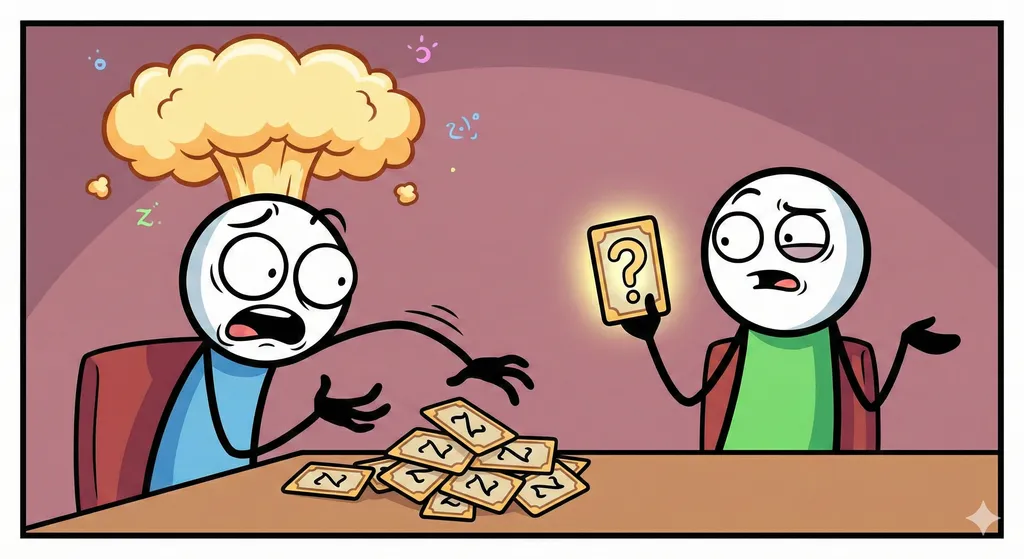
It’s a tale as old as booster packs themselves: the eager thumbing through commons and uncommons, eyes fixed on that elusive glint of foil or the promise of a rare, or better yet, a mythic. Yet, as a veteran Game Master who's seen countless metas rise and fall across Magic: The Gathering, I’m here to tell you that the true artistry of design, the real 'aha!' moments, are increasingly found not in the flashy, high-value slots, but in the unassuming uncommon. Wizards of the Coast, through their constant innovation, often hides their cleverest cards right under our noses.
When a new Magic: The Gathering set drops, the community's immediate focus snaps to the Mythic Rares. And why wouldn't it? These are often the format-defining titans, the undercosted powerhouses designed to appeal to those building Standard or Modern decks, or to upgrade a broad swathe of Commander decks. Consider the theoretical 'Super Shredder,' a card designed to be the most mana-efficient payoff for a specific strategy in mono-black, triggering off even your own permanents, quickly spiraling out of control. It’s built to be powerful, to be a chase card, to drive sales and dominate the top tables. But let's be blunt: raw, unadulterated power, while effective, isn't always interesting. It’s a sledgehammer when sometimes you need a scalpel.
This is where the Uncommon slot shines, revealing the true genius of game design within Magic: The Gathering. Designers operating within the tighter power budget of uncommon cards are forced to be more ingenious. They can't just print another 'bolt' or another 'big creature for cheap.' Instead, they craft cards that demand intricate understanding of core mechanics, that reward synergy over raw stats. An uncommon might offer a unique twist on an existing effect, or provide a crucial piece for a fringe archetype to finally coalesce. Consider the subtle dance of a well-designed uncommon that offers conditional advantage, or one that introduces a novel interaction. These aren't cards that win the game on their own; they enable *you* to win the game with your cleverness. They are the gears, not just the engine. They foster a sense of discovery and reward players for deeper engagement with the set’s mechanics, rather than simply slotting in the latest overpowered mythic. They are the backbone of compelling limited formats and the unsung heroes of many a rogue constructed deck. Check out the latest Commander preconstructed decks – they often showcase fantastic Uncommon synergy pieces right out of the box.
Beyond the numbers and the mana symbols, this distinction between rarities also subtly shapes the very fabric of Magic's ever-expanding multiverse. Mythics, designed to be impactful, often represent the grand, epic narratives: planeswalkers, elder dragons, world-shaking artifacts. While undeniably cool, their sheer power can sometimes overshadow the nuanced lore that truly defines a plane. They are the cinematic main characters, but rarely the bustling market or the quiet village.
Uncommons, conversely, are the flavor text come to life. They embody the practical spells, the unique creatures, the specific technologies and cultures that populate a plane, giving it depth and texture. A well-designed uncommon can reveal more about the daily struggles or unique magical practices of a world than a dozen mythics combined. It's in these cards that the designers can explore the specific flavor of a set's mechanics—be it the quirky contraptions of Kaladesh, the grim resilience of Innistrad's townsfolk, or the unique social dynamics of Strixhaven's colleges. They are the foundational brushstrokes that give a plane its character, making it feel like a lived-in place, not just a backdrop for overpowered spells. This is where the magic (pun intended) truly happens, binding mechanics to narrative in a way that feels organic and enriching.
So, what does this mean for us at the table? As a Game Master, I constantly seek out systems and designs that reward player agency and clever problem-solving. In Magic: The Gathering, the current trend of hyper-pushed mythics, while exciting for a moment, often reduces gameplay to a race to deploy the biggest, most efficient threat. This can lead to a meta that feels solved quickly, where innovation is stifled by raw power.
The ingenuity found in the uncommon slot, however, fosters a healthier, more dynamic play environment. It encourages deeper dives into set mechanics, promotes creative deck construction, and rewards players who understand synergistic interactions over brute force. This approach allows for a broader spectrum of viable strategies, making for more engaging games in every format, from the cutthroat tables of Modern to the casual camaraderie of Commander. When cards are designed with finesse, they elevate the entire experience. They make players feel smart, not just lucky. And isn't that what we all want from our games? To engage our minds, explore possibilities, and occasionally, to surprise ourselves with a truly clever play enabled by an unassuming card? I believe the future of Magic’s design, and indeed, its continued success, lies in harnessing this uncommon brilliance.
Top Pick: Magic: The Gathering Gift Bundles
Perfect for discovering new uncommon gems and jumpstarting a collection.
Check Price on Amazon →Related Stories
The Verdant Void: When Elves Decide to Mill in Magic
A recent MTGGoldfish article reveals a groundbreaking Elf tribal strategy that leverages their traditional strengths for an entirely unconventional mill win con
The Battle-Scarred Bling: Unpacking Played Foil Value
Star City Games' recent discount on played and heavily played foil singles isn't just a sale; it's a strategic market play that deeply impacts Magic: The Gather
Beyond the Bloom: Redefining Commander Value at $45
MTGGoldfish's latest collection of 45 Commander decks under $45 challenges the notion of budget play. This initiative highlights accessible entry points and cre